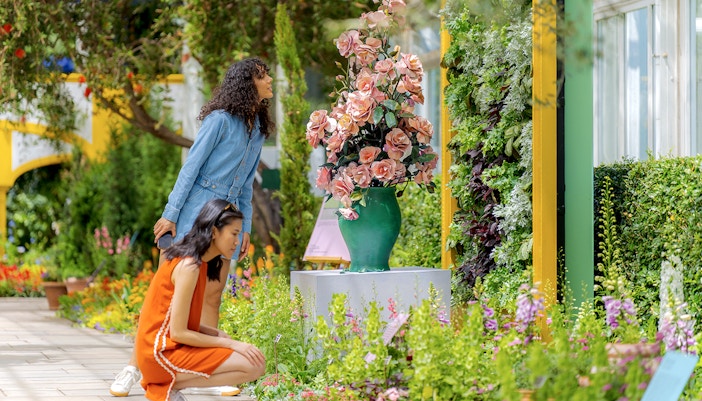
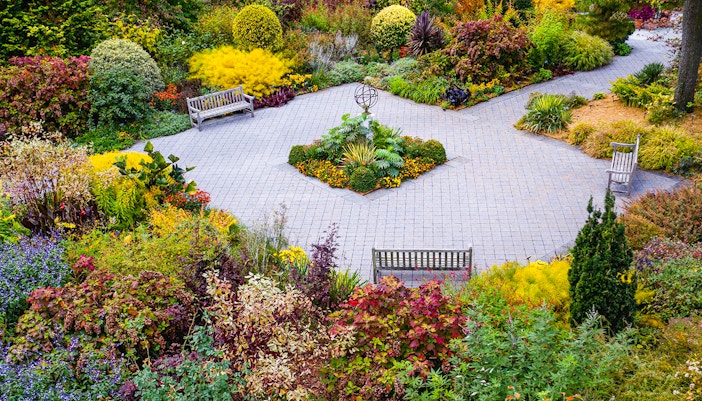
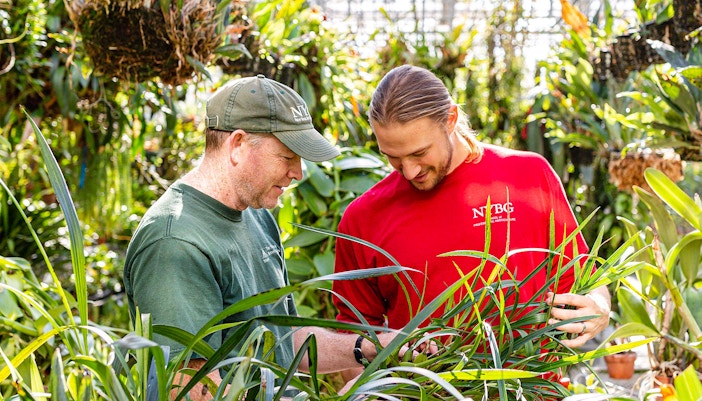
A peek at the attractions in the New York Botanical Garden

Explore New York Botanical Garden’s living galleries where seasonal art, rare orchids, and immersive installations bring botanical wonder to life. The exhibits blend science and beauty, inviting discovery and sparking curiosity at every moment.
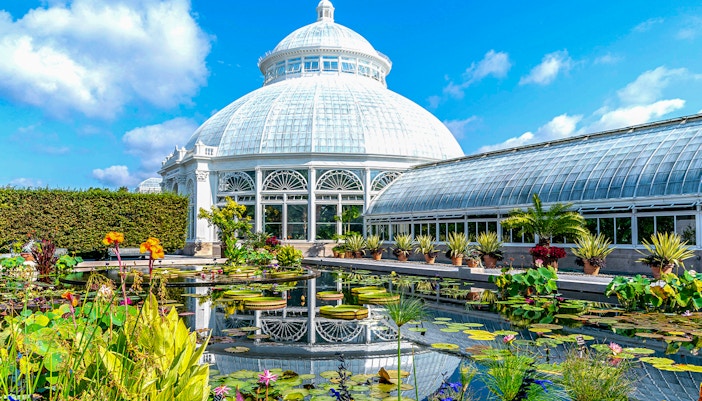
Enid A. Haupt conservatory
This is a huge glasshouse that brings together plants from every corner of the globe. You can wander through rooms packed with tropical palms, desert cacti, water plants, and fun seasonal displays; all under one big steel-and-glass roof that lets the sun pour in.

Thain family forest

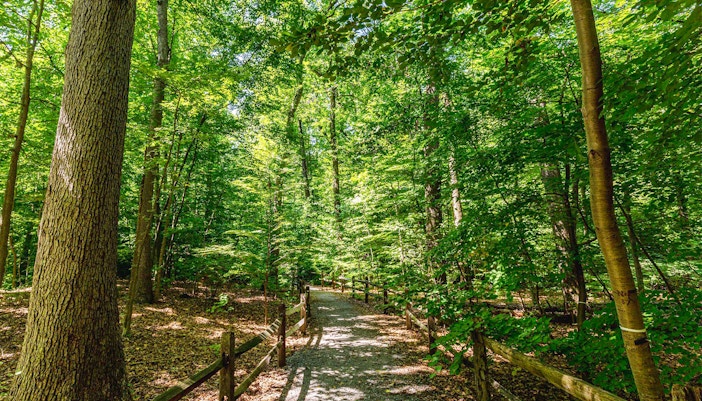
A 50-acre patch of real, old forest tucked into the city. Wooden boardwalks guide you under towering oaks and maples, and if you listen closely you might hear birds chirping or spot a squirrel darting by. It’s an easy way to step out of the city noise for a bit.
Tram tour

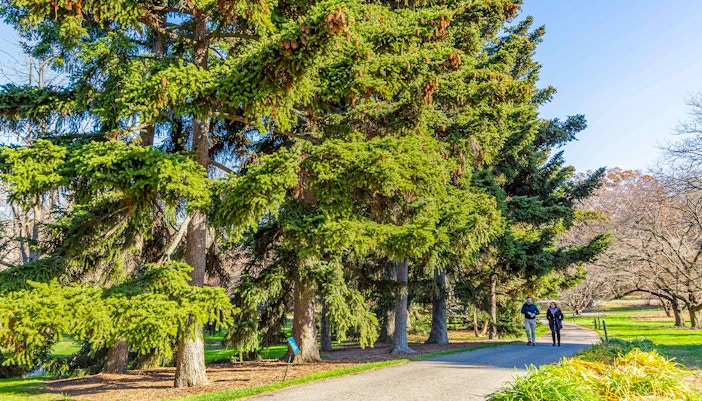
Hop on a comfortable, narrated tram for a 25-minute ride around the entire 250-acre grounds. You’ll hear interesting stories about the gardens, spot hidden sculptures, and cover plenty of ground without having to walk the whole way.

Workshops

Join small, hands-on classes led by NYBG pros. You can sketch plants, build your own mini terrarium, learn orchid care tips, or even take a guided after-dark plant walk; each session is designed so you leave with a new skill (and something cool to show for it).
Water garden

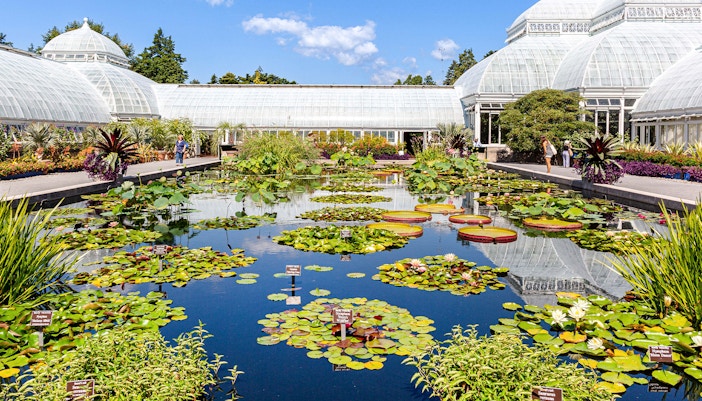
The Water Garden is a simple pond with floating leaves and stone bridges; great for a picnic or a quiet moment. Right beside it, the Hudson Garden Grill serves up straight-forward, seasonally inspired dishes (think salads, sandwiches, bowls) with ingredients grown on site whenever possible.
Everett children’s adventure garden

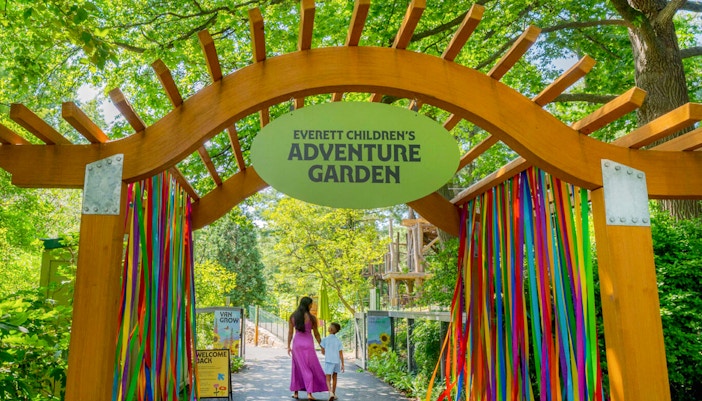
This 12 acre play-and-learn zone is all about kids exploring nature. There are rock scrambles to climb, boardwalk paths through ponds and meadows, and pop-up activity stations that change with the seasons; perfect for curious minds of all ages.


Plant species and gardens

Spanning 250 acres in the Bronx, the New York Botanical Garden serves as a living museum with over one million plants arranged into fifty specialty collections. Wander through the Peggy Rockefeller Rose Garden, designed by Beatrix Jones Farrand, then explore rugged stone terraces in the alpine rock garden to see rare mountain plants. Under the glass roof of the Steinberg Desert Pavilion, towering cacti and delicate succulents thrive. A 37‑acre conifer collection displays pines and firs from every continent. The Penelope Hobhouse Herb Garden and Ladies’ Border fill the air with fragrance, while seasonal flower walks, medicinal herb demonstrations, and rotating exhibitions in the Enid A. Haupt Conservatory ensure each visit offers something new.

Check out the full list of plants at NYBG

History and layout

Fountain and statues in front of Mertz Library at New York Botanical Garden.

Founded in 1891 by botanist Nathaniel Lord Britton and a group of patrons, NYBG spans 250 acres in Bronx Park. The Enid A. Haupt Conservatory (1902) anchors a historic core that includes the 1899 LuEsther T. Mertz Library.

Landscaped pathways, designed with Olmstedian influences, separate display gardens, research laboratories, and natural forest. The 2004 Leon Levy Visitor Center welcomes visitors at the main Mosholu Gate entrance.

Conservation initiatives

Volunteers working on a garden project at Bronx Green-Up event by NYBG.

NYBG’s Center for Conservation Strategy drives global efforts in plant rescue, habitat restoration, and climate‑resilient gardening. Key projects include a global seed bank safeguarding endangered species, partnerships to restore native woodlands, and community outreach programs teaching sustainable horticulture.

Through research, fieldwork, and advocacy, NYBG champions plant diversity from the Bronx to the Amazon.

Frequently asked questions about New York Botanical Garden

Most visitors spend 3-4 hours at NYBG, wandering through the Haupt Conservatory, outdoor gardens, the Tram Tour, and special exhibitions. If you’re short on time, you can catch key highlights in as little as 2 hours, but plan extra minutes for a relaxed pace and impromptu discoveries.

More reads

Timings

Directions

Plan your visit