Collection highlights

Anthropology Collection

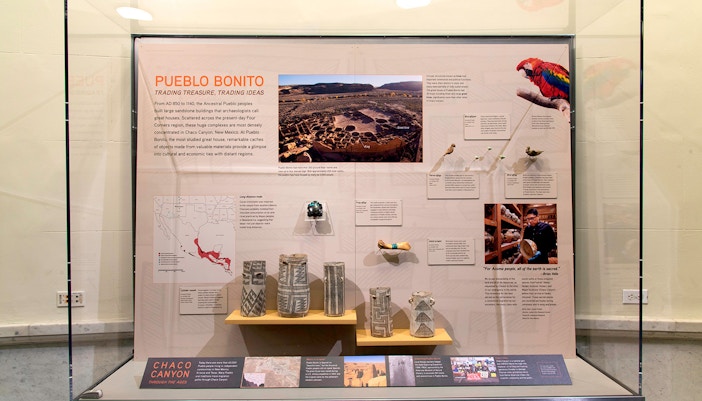
This collection spans over 500,000 years of human history and includes millions of artifacts. Key items include cultural treasures from Native American, African, Asian, and Pacific Island societies, as well as significant archaeological findings from around the globe. Artifacts such as totem poles, ceremonial masks, and textiles are displayed alongside multimedia presentations, showcasing the creativity and resilience of different cultures throughout history.

Paleontology Collection

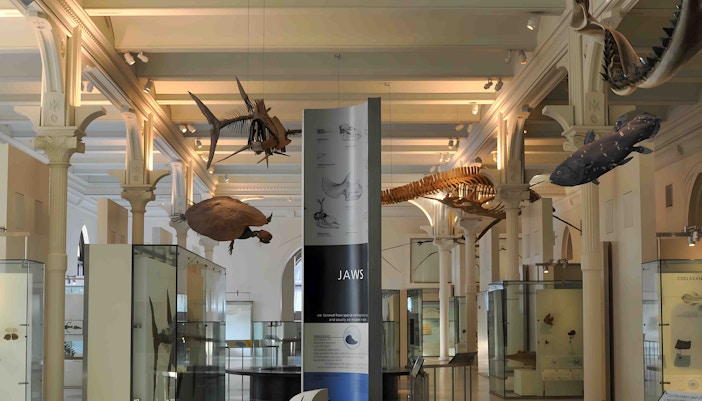
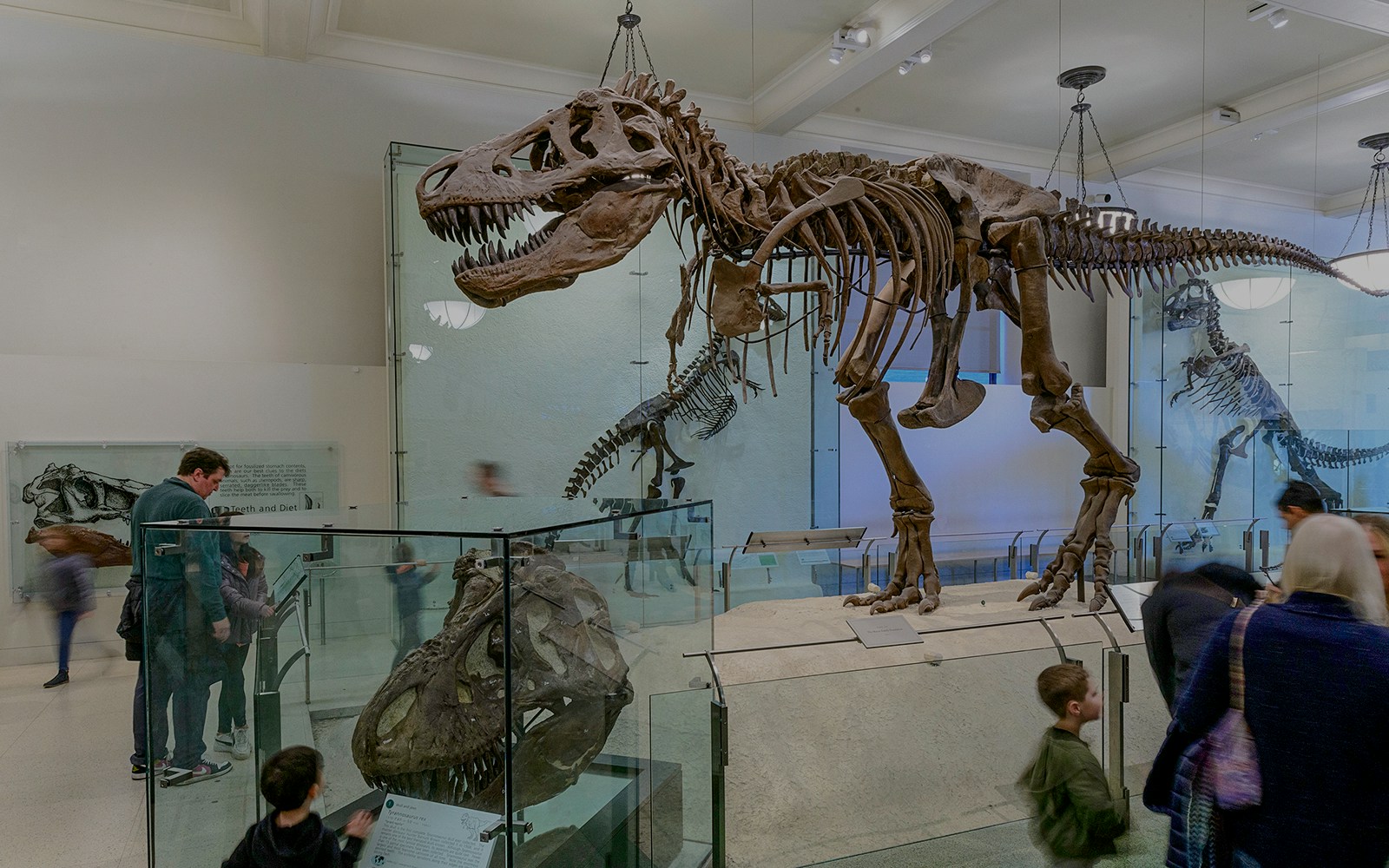
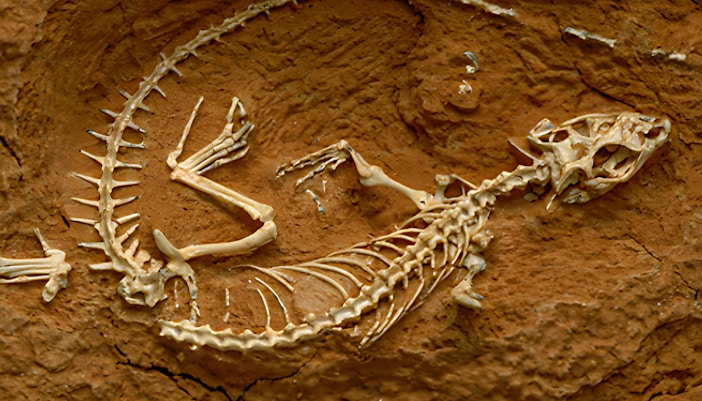
One of the world's largest, the museum’s paleontology collection features over 32 million specimens. It includes iconic dinosaur fossils, like the Tyrannosaurus rex and Triceratops, along with a wide range of vertebrate and invertebrate fossils that document life on Earth from its earliest beginnings through the age of mammals​.

Vertebrate Zoology Collection

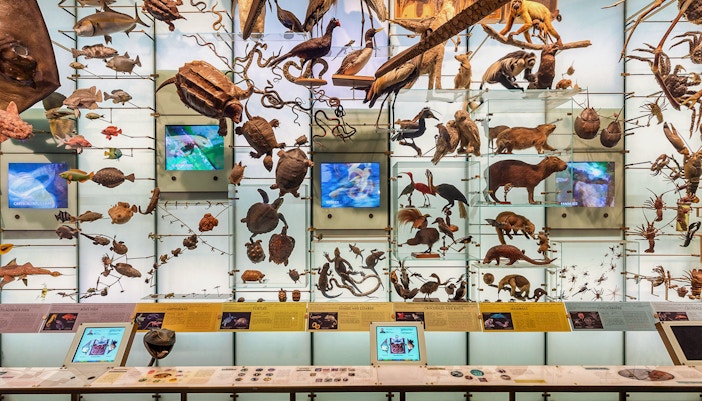
This collection includes millions of specimens, covering birds, mammals, reptiles, and amphibians from around the world. It serves as a crucial resource for understanding vertebrate biodiversity, evolution, and conservation, with particularly strong representations of North American fauna and tropical species​.

Invertebrate Zoology Collection

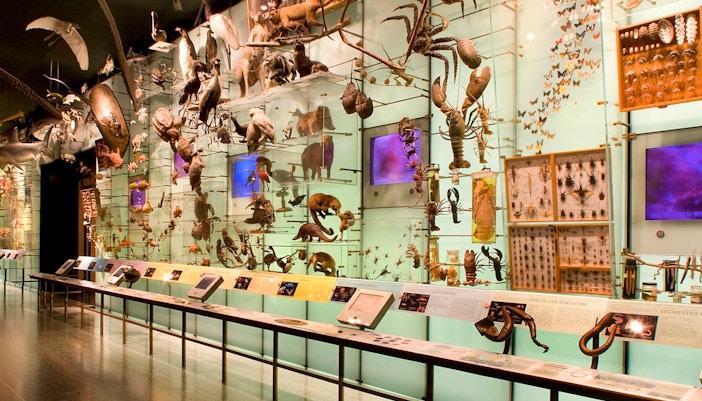
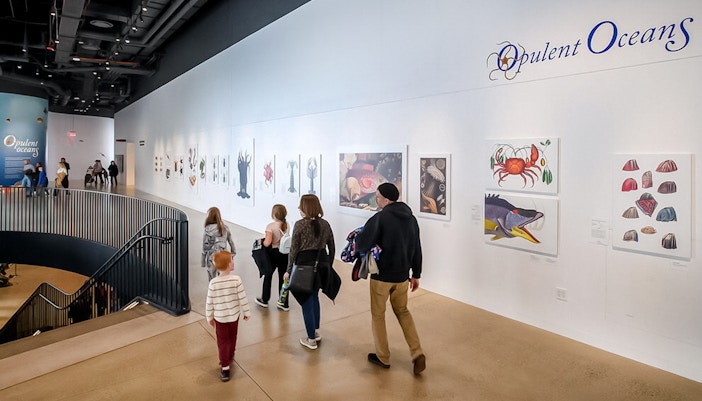
With over 23 million specimens, this collection covers a diverse array of invertebrate species, including insects, mollusks, arachnids, and more. It is a critical resource for studying the vast diversity and ecological importance of invertebrates, especially in marine environments​.

Earth and Planetary Sciences Collection

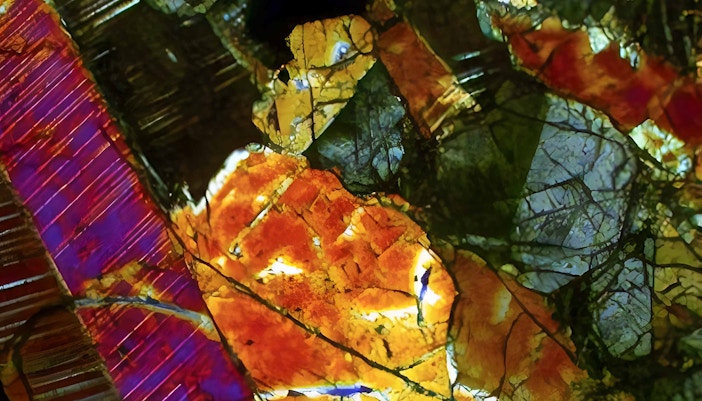
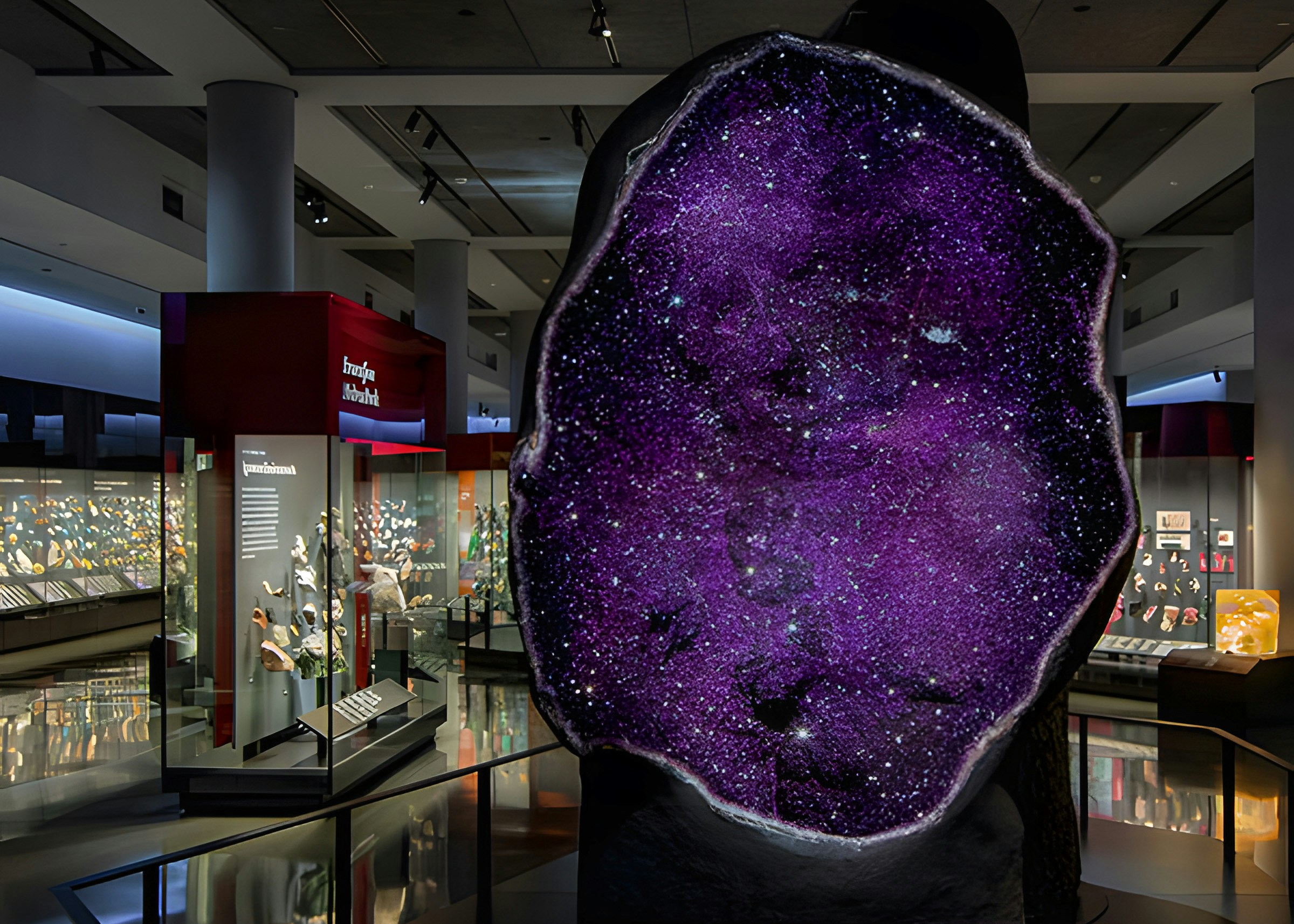
This collection features a stunning array of minerals, gems, meteorites, and rocks. Noteworthy items include Star of India, the largest known blue star sapphire, and the Patricia Emerald, a 632-carat gem. It also features an extensive collection of meteorites.

Rose Center for Earth and Space

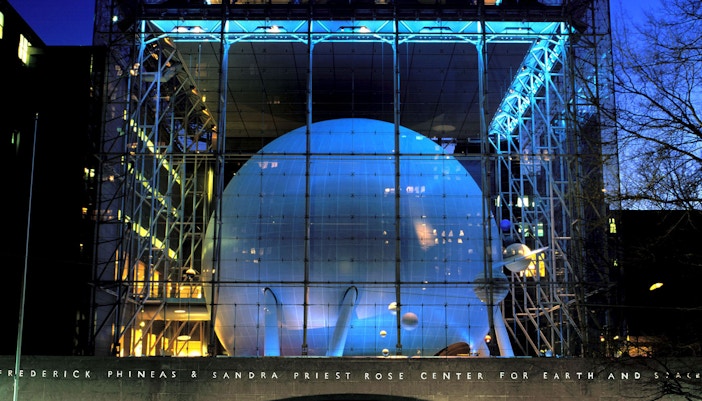
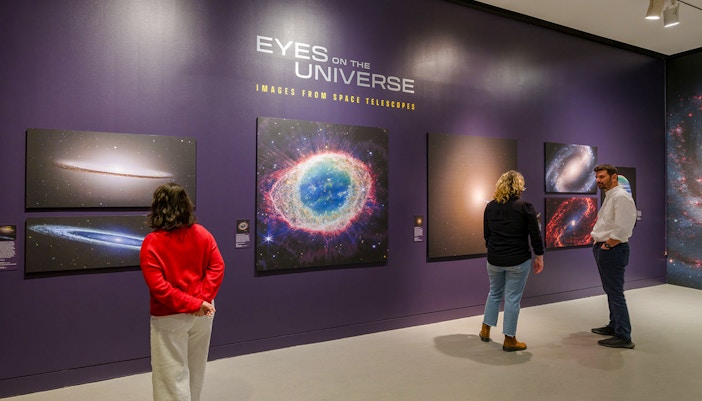
The Rose Center for Earth and Space includes the Hayden Planetarium, where you can go on a stunning visual journey through space. The exhibits delve into astrophysics, the Big Bang, and the cosmic microwave background. Also, learn about the planets in our solar system, black holes, and dark matter.

Hall of Ocean Life

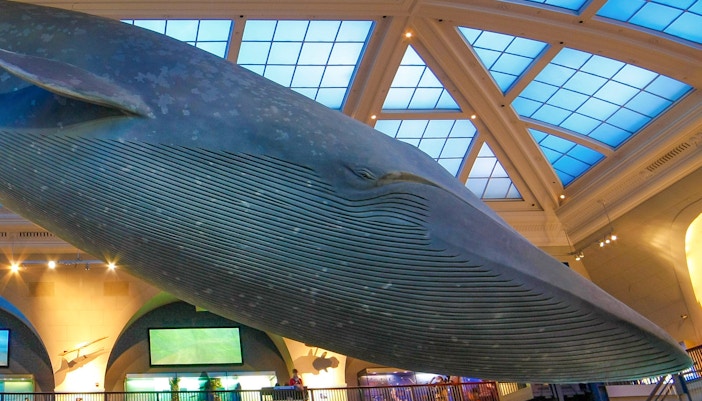
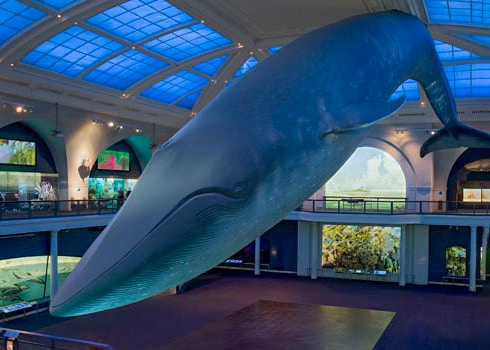
The Hall of Ocean Life is famous for its ginormous, life-sized model of a 94-foot blue whale suspended from the ceiling. This collection explores the diversity of marine life, from tiny plankton to massive whales. Interactive exhibits, dioramas, and videos provide insight into the complex ecosystems of our oceans, emphasizing the importance of marine conservation.

Hall of Biodiversity

The Hall of Biodiversity celebrates the Earth's rich variety of life, focusing on the interconnectedness of all living things. The "Spectrum of Life" exhibit displays over 1,500 specimens, illustrating the planet’s vast range of species, from microorganisms to large mammals.

Hall of Human Origins

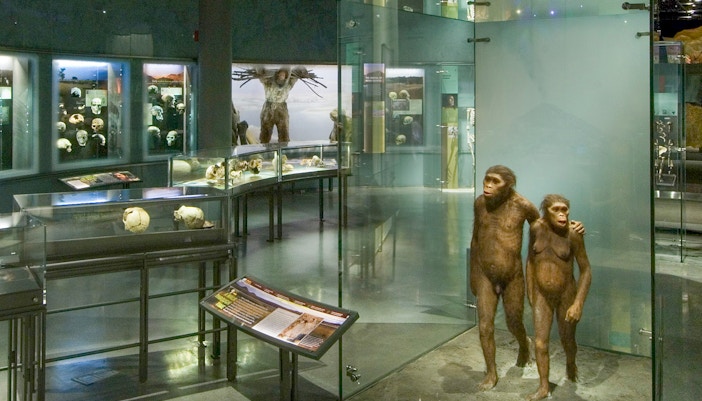
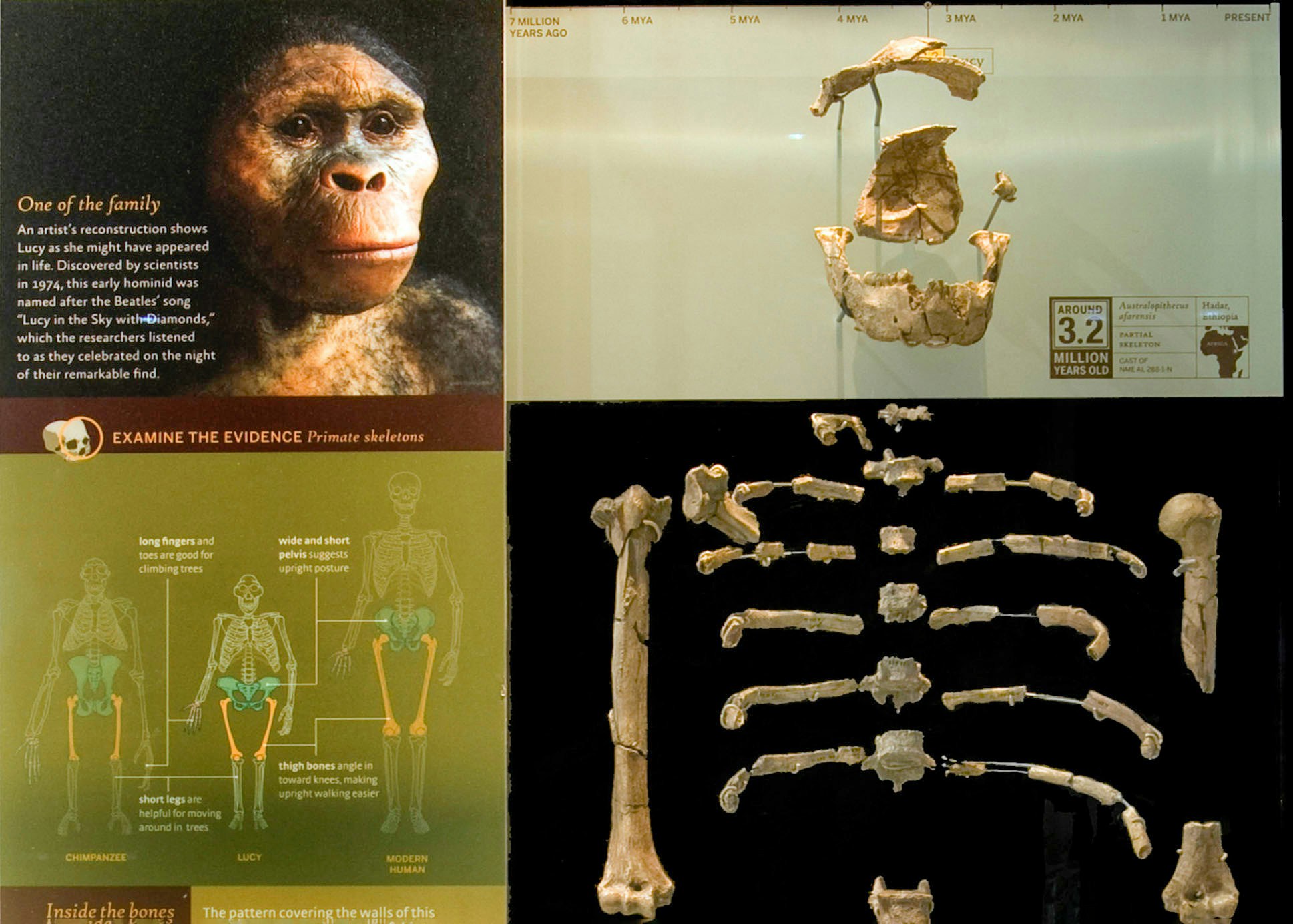
The Hall of Human Origins traces the evolution of humans, showcasing fossils, artifacts, and interactive displays that illustrate our journey from early hominids to modern humans. Key milestones such as tool development, language, and art are explored, with life-like reconstructions of early hominins and Homo sapiens.

Must-see displays at the American Museum of Natural History

American Museum of Natural History

Titanosaur

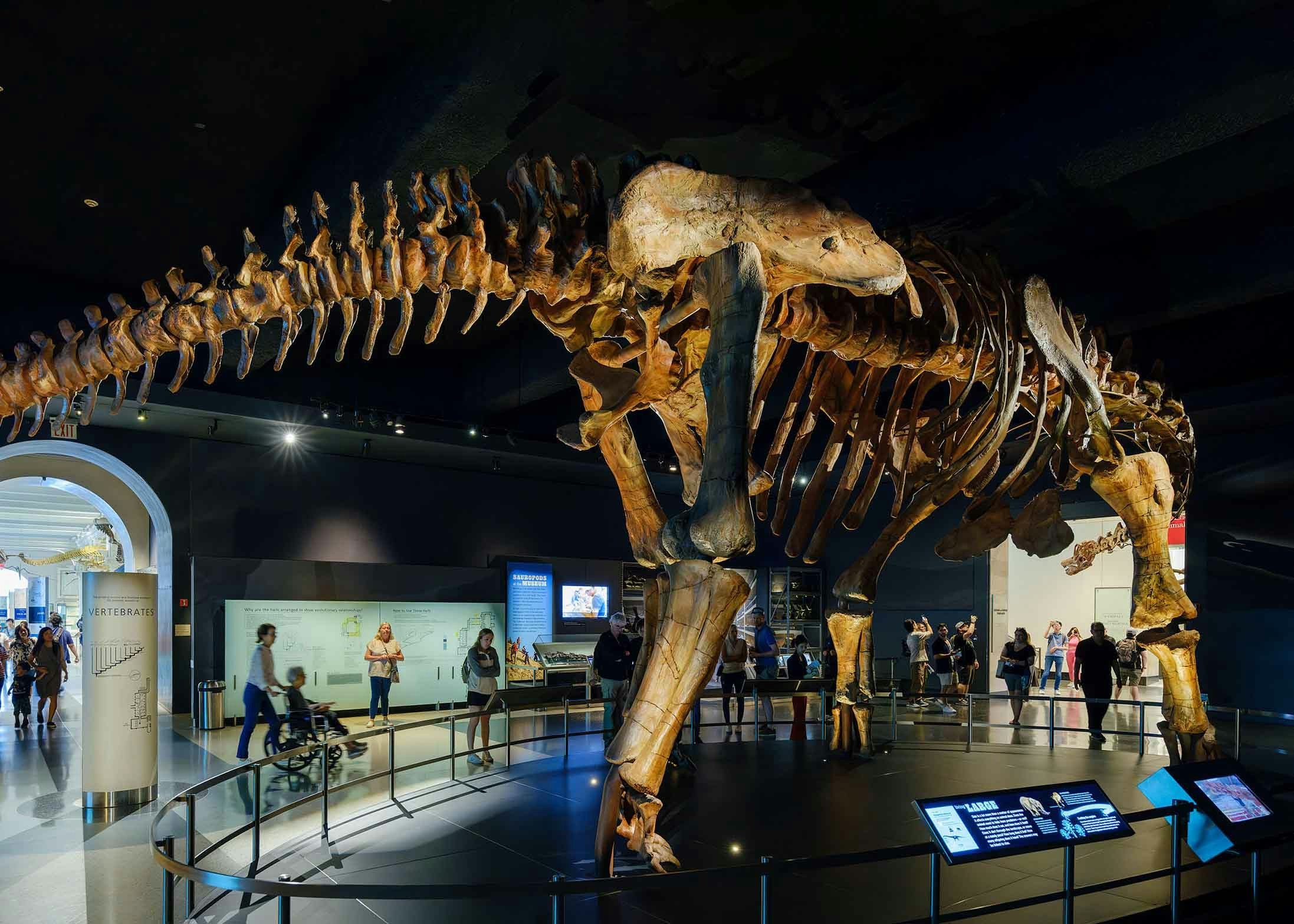
At 122 feet long, the Titanosaur is one of the largest dinosaurs ever discovered. The massive fossil cast greets visitors in the museum's fourth-floor orientation center, showcasing its enormous size and awe-inspiring presence.

American Museum of Natural History

Brief history of the museum

  • 1869: The American Museum of Natural History (AMNH) is officially founded on April 6, thanks to naturalist Dr. Albert S. Bickmore’s vision and the support of prominent figures like Theodore Roosevelt. Sr. John David Wolfe becomes the museum’s first president.
  • 1871: The museum’s first exhibits are displayed at its original home in the Central Park Arsenal, marking the beginning of its public outreach.
  • 1874: Construction begins on the museum’s first dedicated building at 77th Street, with President Ulysses S. Grant laying the cornerstone.
  • 1877: The first building opens its doors, with President Rutherford B. Hayes presiding over the grand ceremony.
  • 1881-1930: Under the leadership of President Morris K. Jesup, the museum enters a golden age of exploration, launching numerous global expeditions.
  • 1895: Franz Boas, who would become a pioneering figure in anthropology, is hired as assistant curator in the Department of Ethnology.
  • 1935: The Hayden Planetarium opens, expanding the museum’s focus to include astronomy and space science.
  • 1960s-1970s: The museum undergoes significant expansion, adding new wings such as the Hall of Ocean Life and the Hall of Human Origins.
  • 2000: The Rose Center for Earth and Space, featuring the state-of-the-art Hayden Planetarium, opens to the public, highlighting modern astrophysics.
  • Present: The AMNH continues to lead in scientific research, education, and public engagement, housing over 33 million specimens and artifacts, and welcoming millions of visitors each year.

Who founded the American Museum of Natural History?

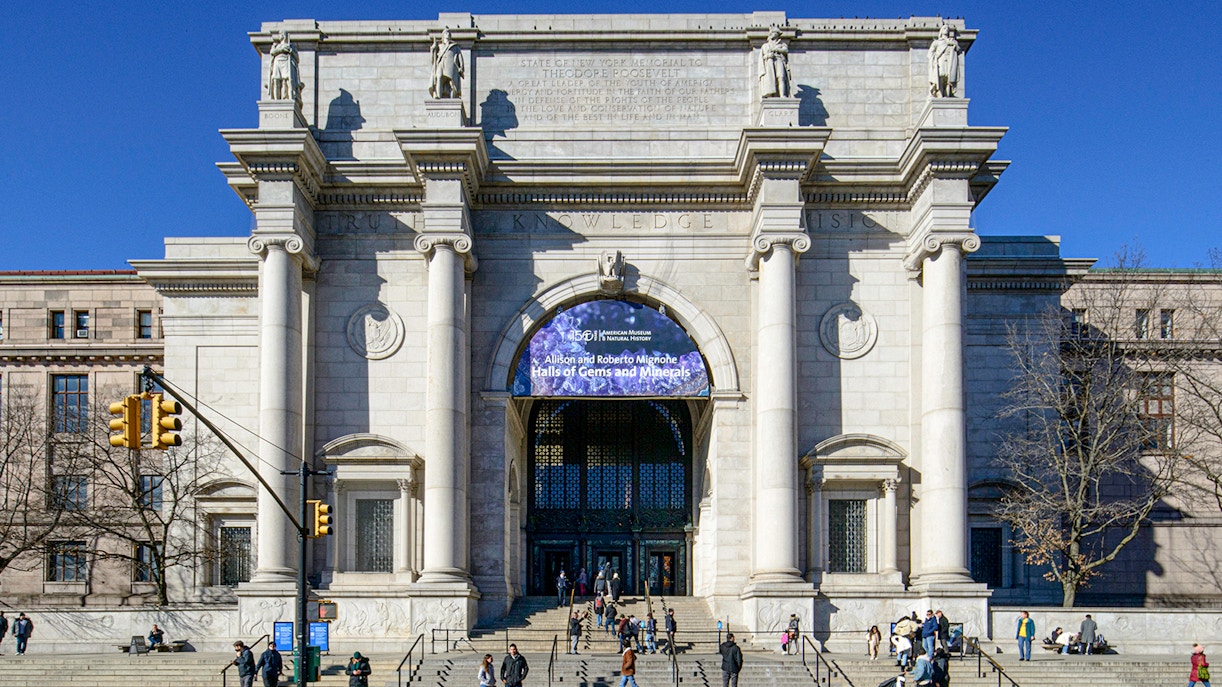
American Museum of Natural History entrance, New York City, with visitors outside.

The American Museum of Natural History was founded by Albert S. Bickmore, a naturalist and student of Harvard zoologist Louis Agassiz. In 1861, he envisioned a natural history museum in New York City, inspired by European institutions.  With support from influential figures like Theodore Roosevelt Sr., the museum officially opened on May 22, 1871, in Central Park's Arsenal. Bickmore's persistence and vision laid the foundation for what would become one of the world's leading scientific and educational institutions, showcasing the wonders of nature and human culture.

Architecture of the American Museum of Natural History

The American Museum of Natural History building mixes history and modern architecture seamlessly! The museum's original building, designed in 1872 by Calvert Vaux and J. Wrey Mould, features the Romanesque Revival style, with turrets, arched arcades, and a grand granite stairway. As the museum's collection grew, J.C. Cady & Co. expanded it with additional wings in the late 19th century.

Today, the museum spans four city blocks and comprises 25 interconnected buildings. The latest addition, the Richard Gilder Center for Science, Education, and Innovation, designed by Studio Gang and opened in 2023, features a five-story atrium with sculpted edges and vaulted openings inspired by natural landscapes.

Learn more about the architecture at AMNH >

Book AMNH tickets

American Museum of Natural History Tickets

Extended validity
Flexible duration

American Museum of Natural History Tickets + 1 Ticketed Exhibition

Extended validity
Flexible duration

Combo (Save 5%): American Museum of Natural History + Central Park Zoo Tickets

Combo (Save 10%): American Museum of Natural History Tickets + Edge Observation Deck Timed Entry Tickets

American Museum of Natural History plus 1-3 Top NYC Attraction Tickets

Book now, pay later
Flexible duration

Combo (Save 8%): American Museum of Natural History + Statue of Liberty & Ellis Island Tickets

Audio guide
Transfers available

Frequently asked questions about the American Museum of Natural History

At the American Museum of Natural History, you can explore an array of exhibits, including towering dinosaur fossils, ancient human artifacts, dazzling gems and minerals, and realistic figures that bring wildlife to life. You can also enjoy cutting-edge exhibits on space in the Hayden Planetarium and dive into the wonders of marine life in the Hall of Ocean Life.

More reads

Timings

Directions

Plan your visit