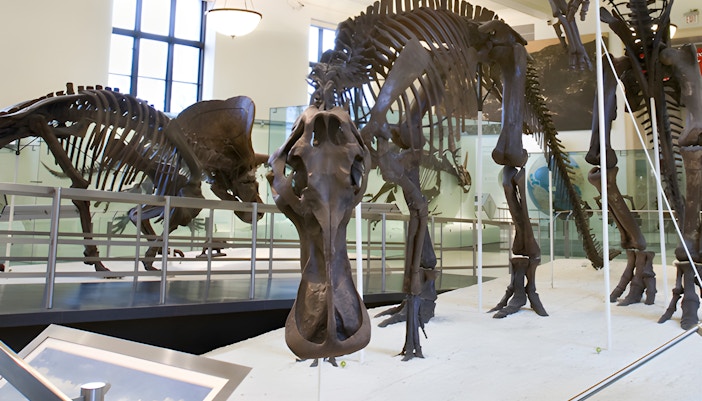
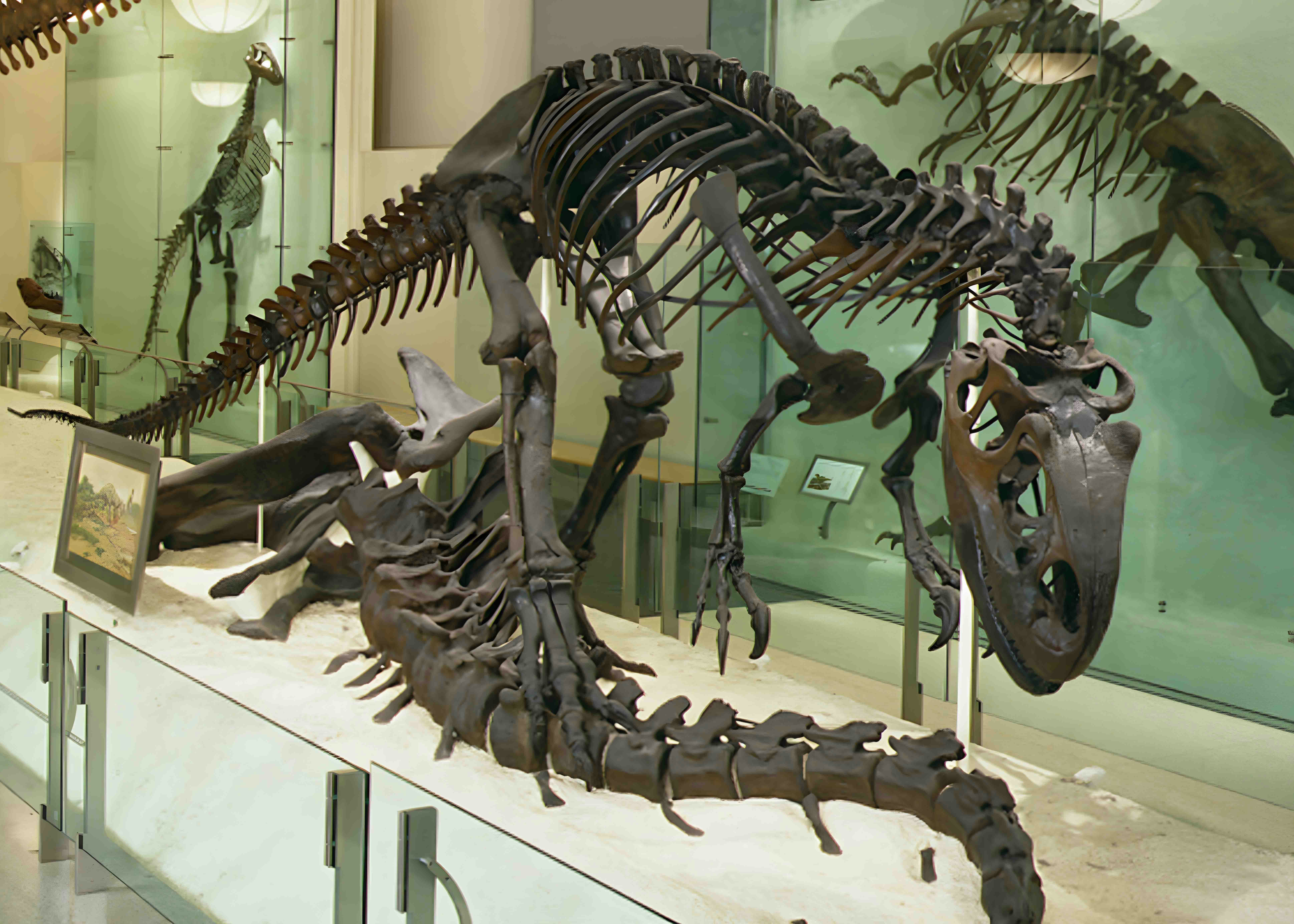
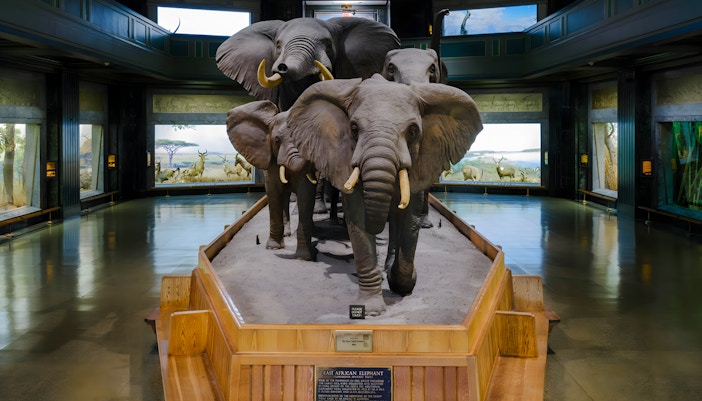
The Hall of Saurischian Dinosaurs features an impressive collection of dinosaur fossils including Tyrannosaurus rex, Apatosaurus, and a dinosaur trackway.
Discover the dinosaur exhibits at American Museum of Natural History
Take a look at the incredible world of dinosaurs at the American Museum of Natural History, where lifelike exhibits bring prehistoric giants to life. The Dinosaur Halls feature iconic species like the mighty T-Rex, taking you on a journey back in time.
Get into the world of dinosaurs at the American Museum of Natural History, read on to uncover facts, and learn about different species, standout exhibits, and rare artifacts.
Interesting facts about dinosaurs
- Dinosaurs ruled Earth for an astounding 165 million years, with non-avian species vanishing about 66 million years ago, likely due to catastrophic events like a massive asteroid impact.
- The Tyrannosaurus rex, a star attraction at the American Museum of Natural History dinosaur exhibit, was one of the most formidable predators, with a bite about 10 times stronger than that of an alligator.
- Millions of years ago, one dino species sprouted feathers and took to the skies. Every bird you know today, from penguins to pigeons, has evolved from dinosaurs!
- Not all dinosaurs were built alike. While the Compsognathus was no bigger than a chicken, the largest dinosaurs were comparable to the length of a Boeing 737 or the weight of 12 elephants!
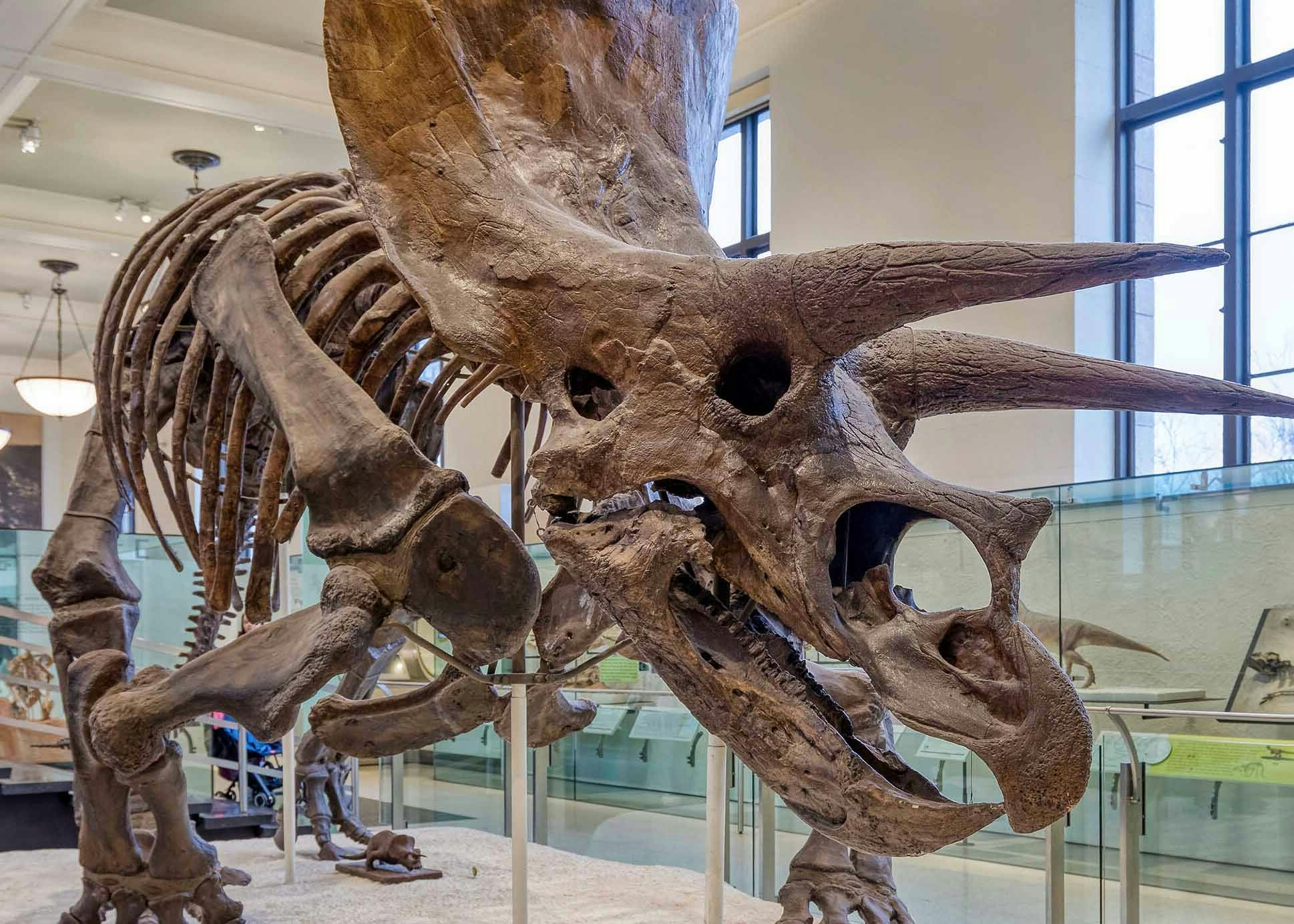
- Triceratops had about 800 teeth! Their mouths contained up to 40 columns of teeth on each side. Each column had 3-5 teeth stacked on top of one another. As older teeth wore down, new ones grew, ensuring they could always chew through tough plant material.
- Dinosaurs are named using a two-part scientific system: the genus (capitalized) and the specific epithet (lowercase), both italicized. Names are often derived from Greek or Latin words, describing their unique features or honoring individuals. For example, T. rex stands for Tyrannosaurus rex, meaning tyrant lizard king.

Dinosaur Halls
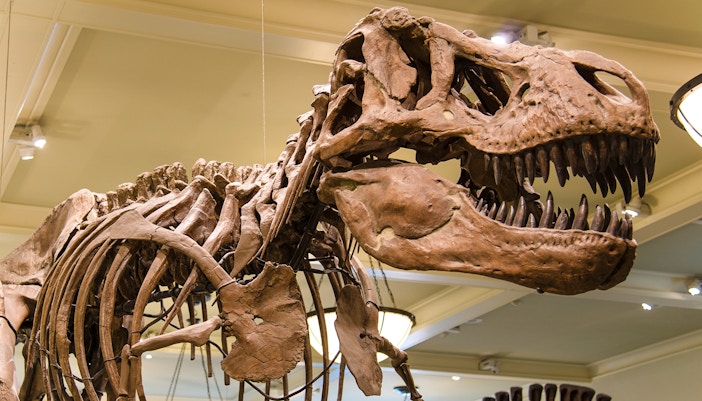
The museum's dinosaur collection is showcased in three halls: the Hall of Saurischian Dinosaurs, the Hall of Ornithischian Dinosaurs, and the Hall of Vertebrate Origins. The dinosaur exhibits are located on the 4th floor of the American Museum of Natural History.
From the main entrance, head straight to Miriam and Ira D. Wallach Orientation Center, Follow the marked path through the dinosaur gallery, which includes the Hall of Saurischian Dinosaurs and the Hall of Ornithischian Dinosaurs.

Hall of Saurischian Dinosaurs

Hall of Ornithischian Dinosaurs
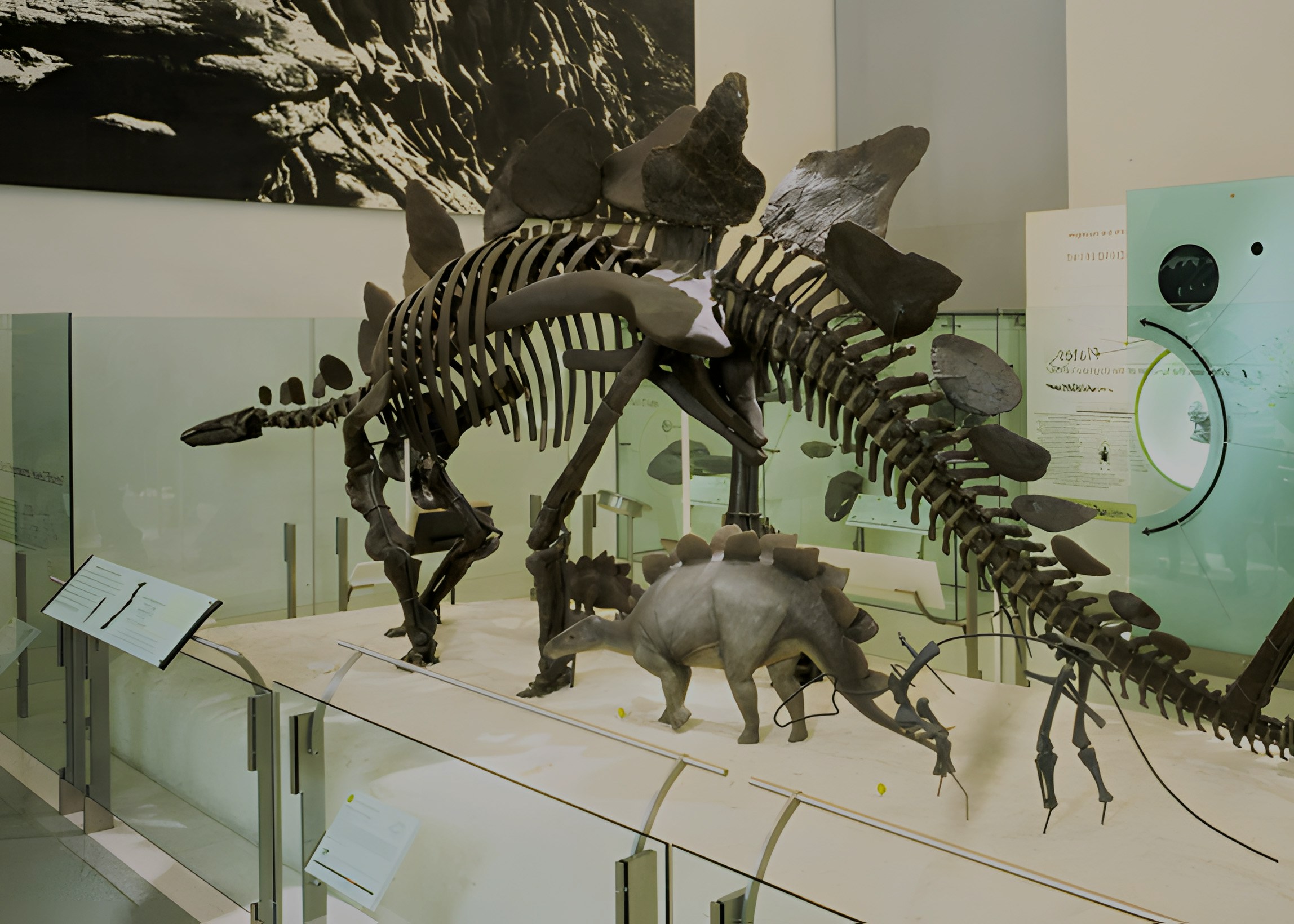
Check out exhibits of Triceratops, Stegosaurus, and Ankylosaurus in the Hall of Ornithischian Dinosaurs.

Hall of Vertebrate Origins
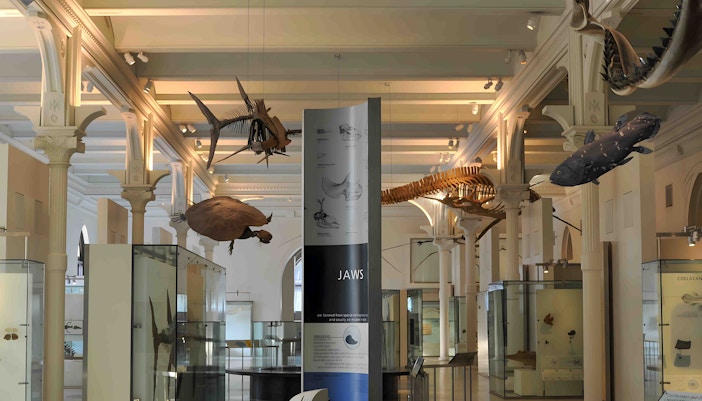
The Hall of Vertebrate Origins shows the evolution of animals with backbones or vertebrates. It features notable dinosaur fossils, including the famous Titanosaur, and other exhibits that reveal how and where dinosaurs and other vertebrates originated and evolved.
Watch out for these dinosaurs at the museum
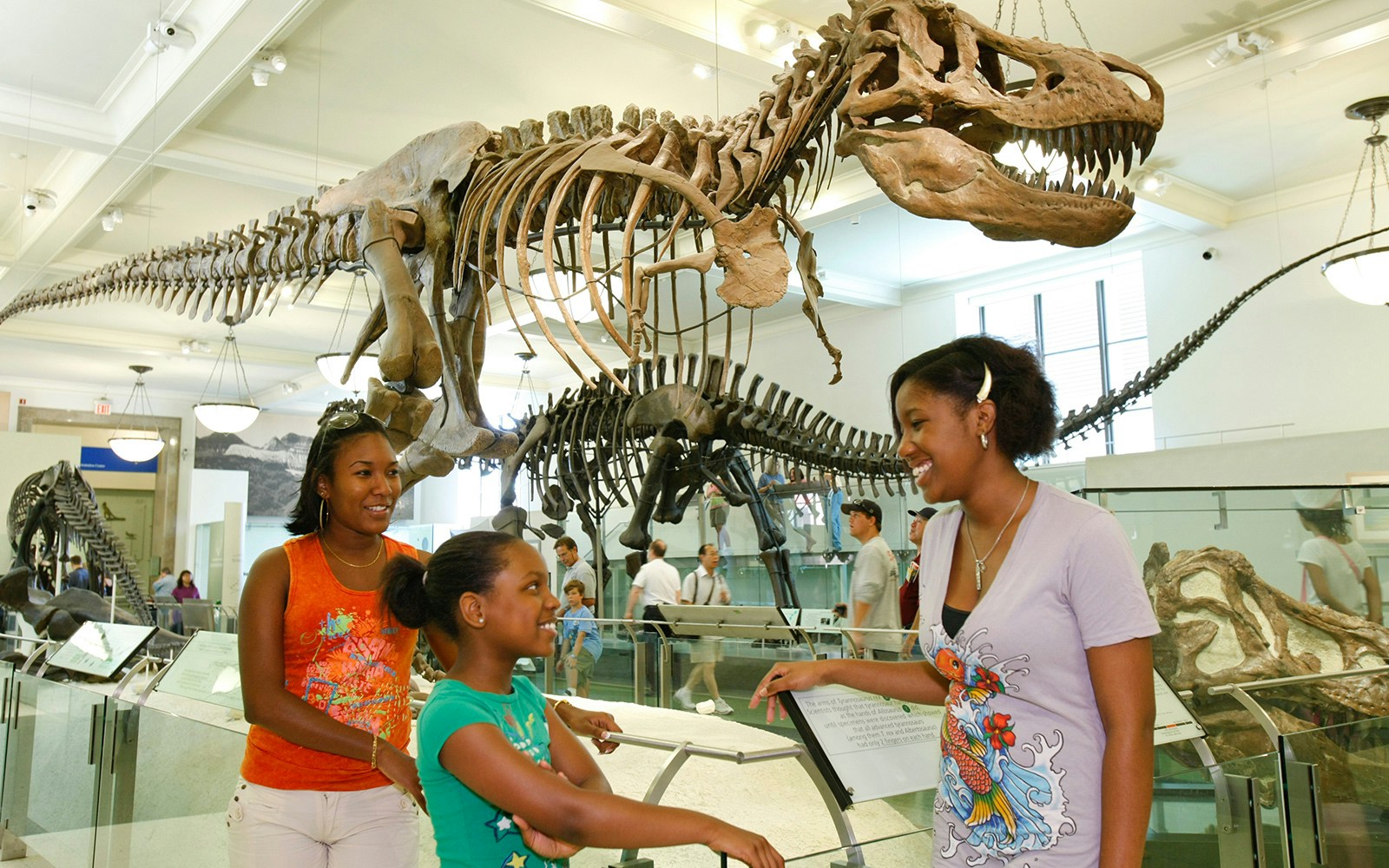
Tyrannosaurus rex
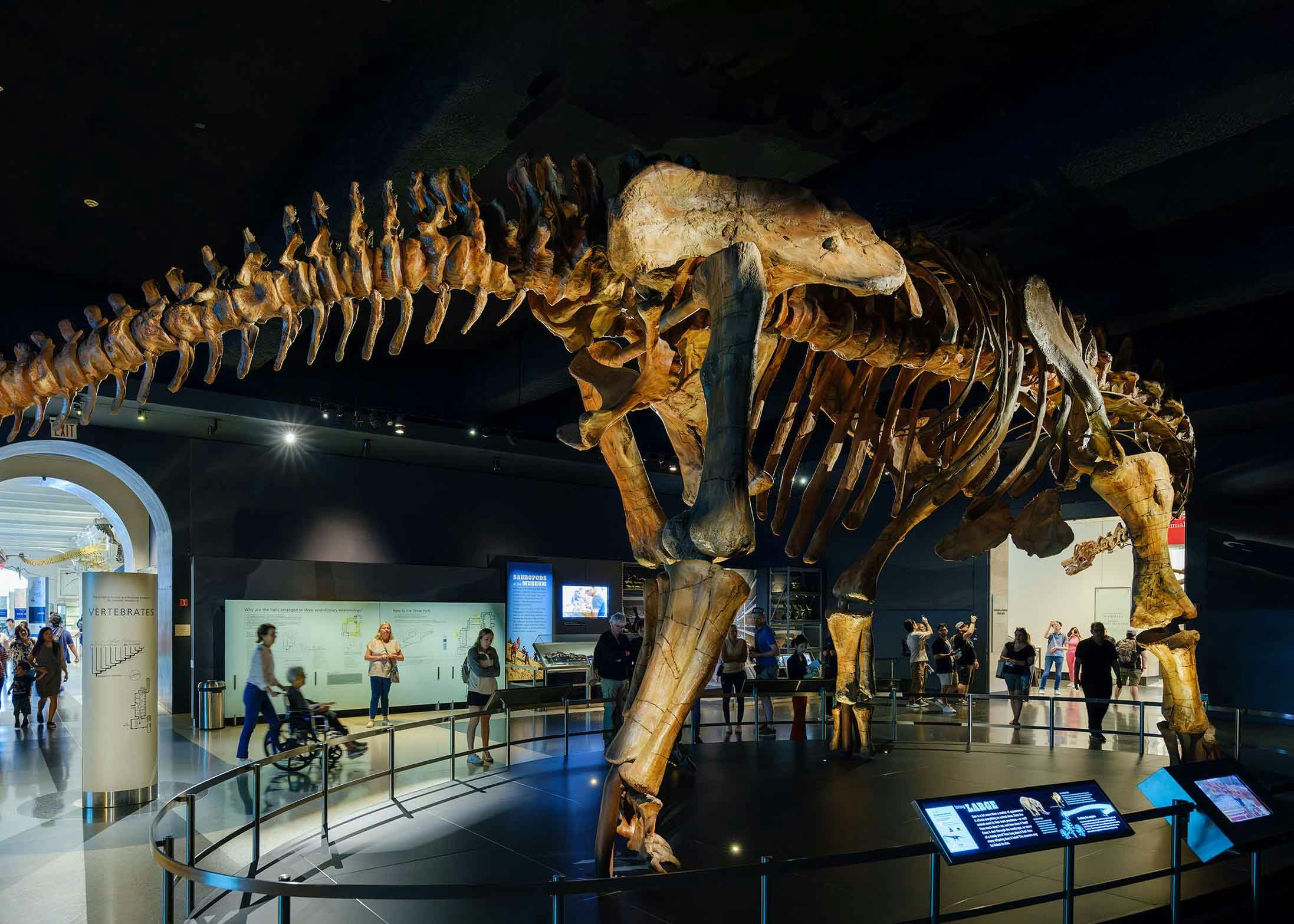
The T-rex had sharp teeth, capable of ripping off 100 kgs of flesh in a single bite! They preyed on other dinosaurs, and sometimes even ate one another!


Artifacts in the museum

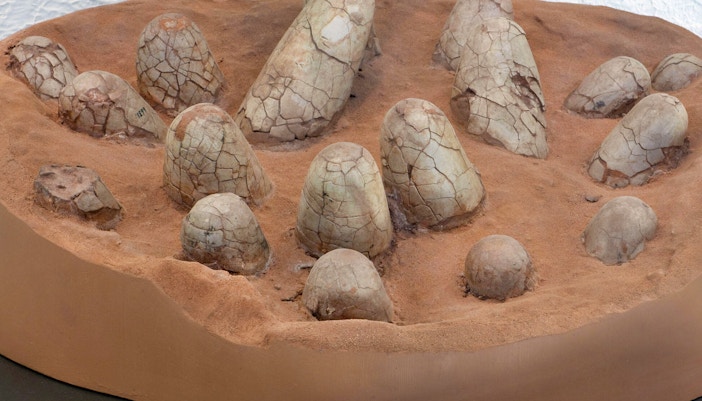
Dinosaur eggs
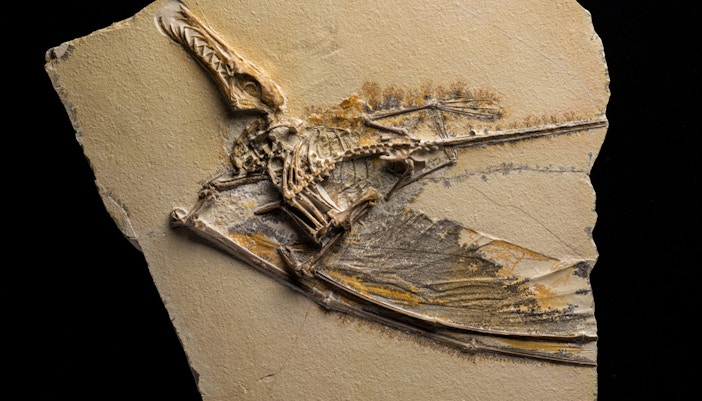
The museum features fossilized dinosaur eggs, providing insight into how dinosaurs laid their eggs in nests and nurtured their offspring.

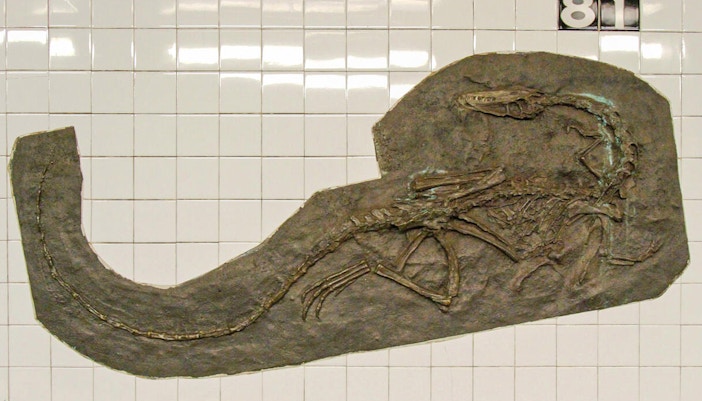
Dinosaur bones
You can view beautifully preserved dinosaur bones, including the iconic T. rex fossil.

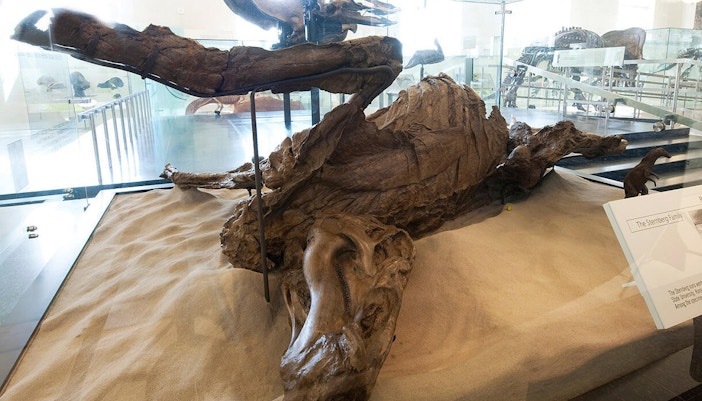
Fossilized skin impressions
Some exhibits display fossilized dinosaur skin impressions like scaly patterns or even feather-like specimens, offering a glimpse into what these ancient creatures really looked like.

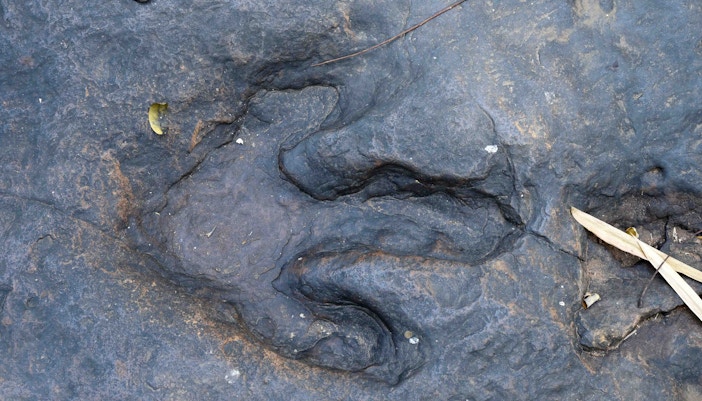
Dinosaur trackways
The museum showcases fossilized dinosaur footprints, giving clues about their speed, gait, and whether they traveled alone or in groups.

Dinosaur teeth
The fossilized dinosaur teeth showcase how different species fed and survived. Sharp, serrated teeth like those of the T. rex reveal a carnivorous diet, perfect for tearing flesh.

Dinosaur Fossil Casts
Seeing these giant replicas helps you understand just how massive these creatures were. You can walk around them and imagine what it was like to stand next to a real dinosaur millions of years ago!
Frequently asked questions about the dinosaurs at the American Museum of Natural History
You can find displays of dinosaur fossils, including the T. rex, and detailed displays of dinosaur eggs, bones, and life-sized models. There are also informative talks held here by a panel of experts.
No, a general admission ticket to the American Museum of Natural History includes access to the dinosaur gallery.
The T-rex fossil is displayed in the Hall of Saurischian Dinosaurs on the 4th Floor.
Plan to spend about 1.5 to 2 hours exploring the dinosaur exhibit to fully appreciate the displays, interactive elements, and educational content.
Absolutely! The exhibit is designed to be engaging for children, featuring interactive displays and educational elements that make learning about dinosaurs fun and accessible.
Yes, photography is allowed in most areas of the dinosaur exhibit, but flash and tripods are restricted.
Yes, the dinosaur exhibit is fully accessible, with elevators, ramps, and assistive devices available to ensure a comfortable visit for visitors with disabilities. Here's a guide that includes all entries, exits and more information to help plan your visit to the museum.
Yes, a shop called Dino Store specifically sells dinosaur-related merch. You can find a variety of dinosaur games, puzzles, educational toys for kids, fossil replicas, models, books, posters, apparel, and much more at this shop which is located on the 4th floor.
The T. rex fossil is approximately 40 feet long and 12 feet tall at the hip.