80+ species, including western lowland gorillas, Amur tigers, snow leopards, red pandas, giraffes, and African lions.
This guide will get you through the magnificent animal ecosystem of the Bronx Zoo and introduce you to some of the most popular animals.
Let's take a peek at what kind of animals are housed at the Bronx Zoo.
Number of species: 700+
Number of galleries: 17+
80+ species, including western lowland gorillas, Amur tigers, snow leopards, red pandas, giraffes, and African lions.

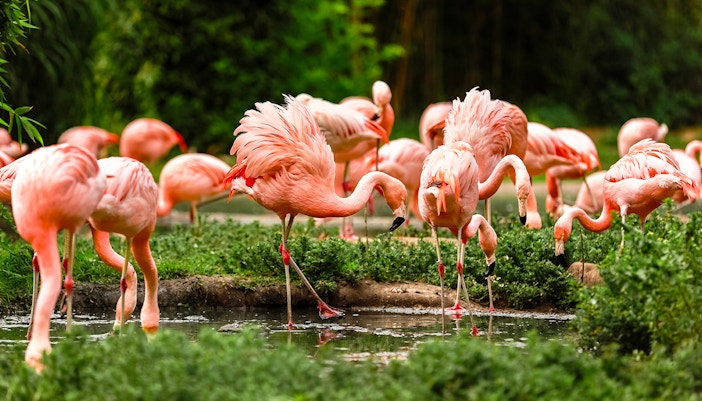
100+ species, such as flamingos, bald eagles, peacocks, scarlet ibises, puffins, and penguins.
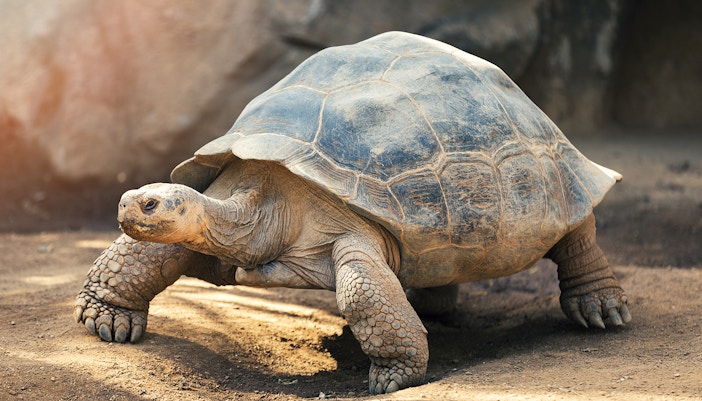
60+ species, including Burmese pythons, king cobras, Komodo dragons, Galápagos tortoises, and American alligators.
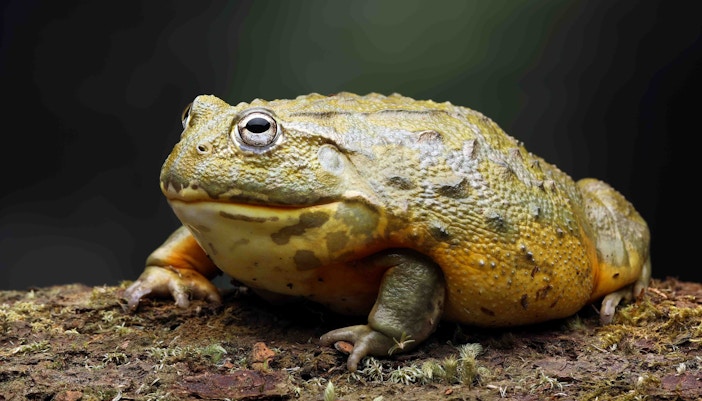
20+ species, featuring poison dart frogs, tiger salamanders, and African bullfrogs.
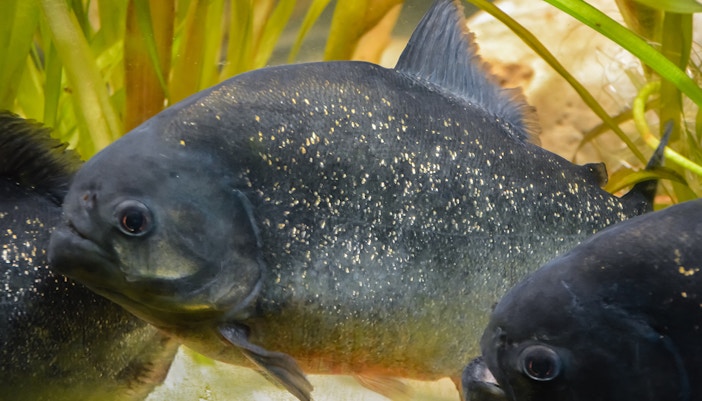
70+ species, from piranhas and freshwater stingrays to colorful tropical fish in JungleWorld and aquatic habitats.
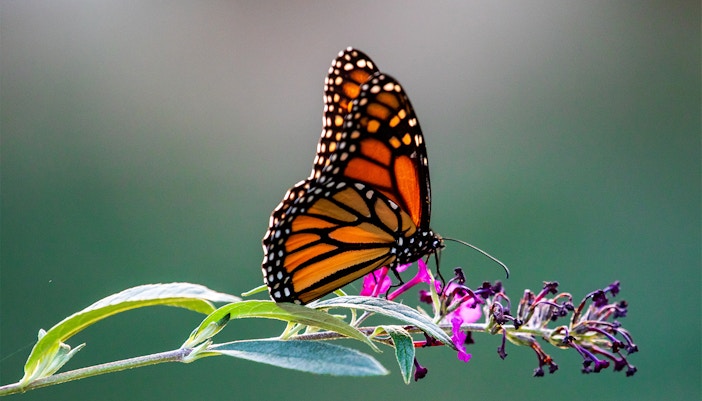
50+ species, showcasing tarantulas, giant millipedes, scorpions, butterflies (in the Butterfly Garden), and beetles.
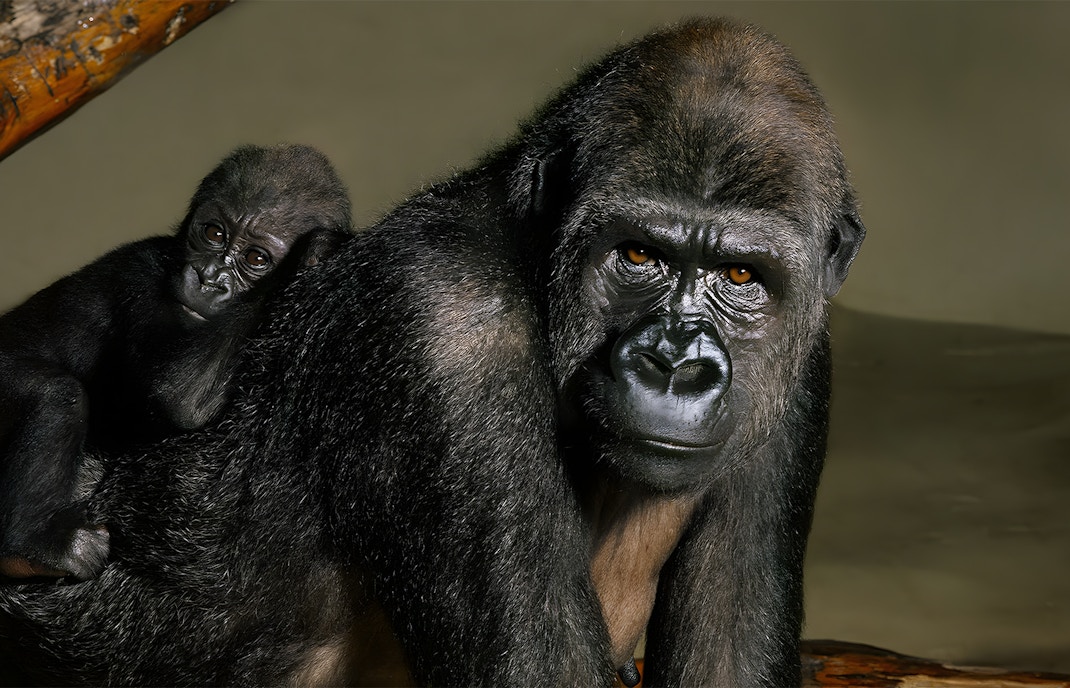
The zoo is a utopia of majestic beasts and adorable creatures that are hard to take your eyes off. Let's take a bird’s-eye view of some of the most popular animals of the Bronx Zoo.

Highly intelligent and social, western lowland gorillas live in tight-knit family groups led by a dominant silverback. They exhibit complex emotions, communicate using gestures and sounds, and show remarkable problem-solving skills.
Size: Males up to 400 lbs; females around 200 lbs.
Diet: Fruits, leaves, stems, and seeds.
Habitat: Dense rainforests and swamps of Central Africa.
Fun fact: Each gorilla has a unique nose print, much like a human fingerprint!

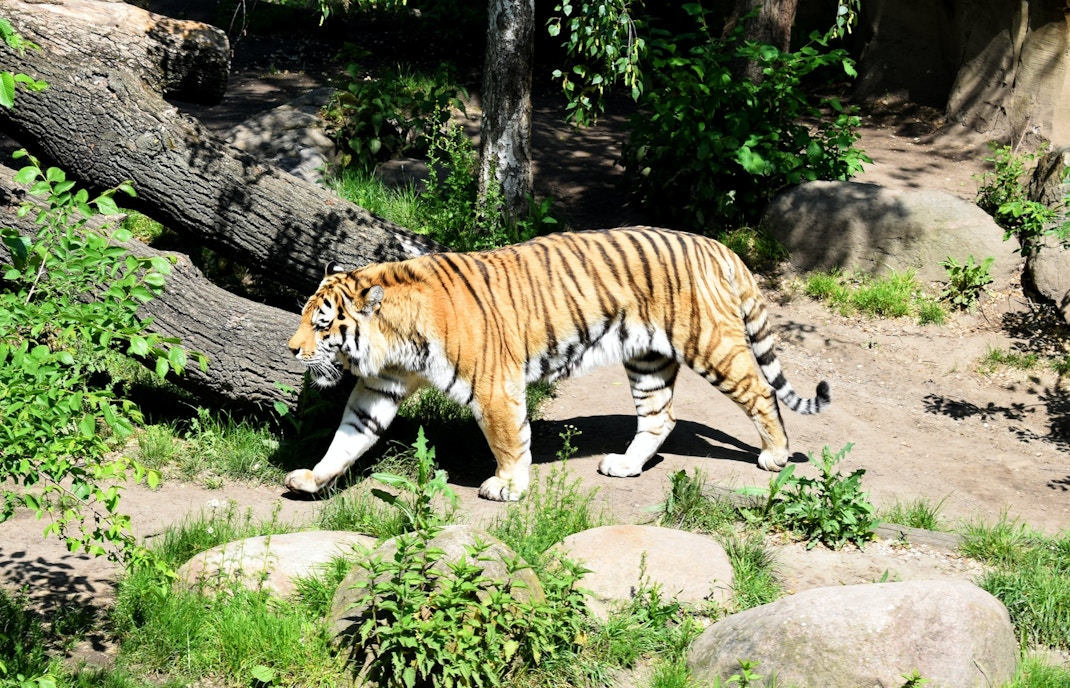
Also known as the Siberian tiger, the Amur tiger is the largest of all big cats. Adapted for cold environments with a thick orange-and-black striped coat, these solitary hunters are an endangered species. The Bronx Zoo’s Tiger Mountain allows visitors to observe their majestic movements and hear their deep roars.
Size: Up to 11 ft long (including tail); males can weigh over 600 lbs.
Diet: Wild boar, deer, and smaller mammals.
Habitat: Forests of eastern Russia and north-eastern China.
Fun fact: A tiger’s roar can be heard up to 2 miles away!

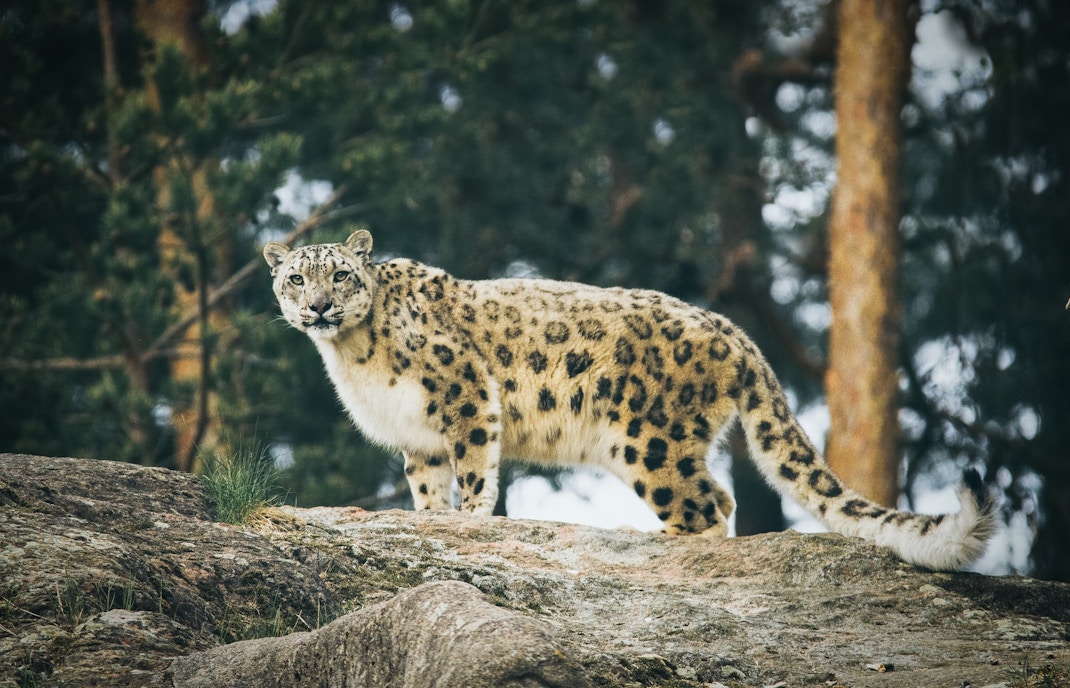
Elusive and adapted to life in the high mountains, snow leopards have long tails for balance and thick fur for warmth. They are solitary and rarely seen in the wild. Bronx Zoo’s Himalayan Highlands exhibit replicates the rugged terrain of their natural habitat.
Size: 4–5 ft body length, tail adds up to 3 ft; 60–120 lbs.
Diet: Wild sheep, goats, marmots.
Habitat: Mountain ranges of Central Asia.
Fun fact: They can leap over 30 feet in a single bound to ambush prey.

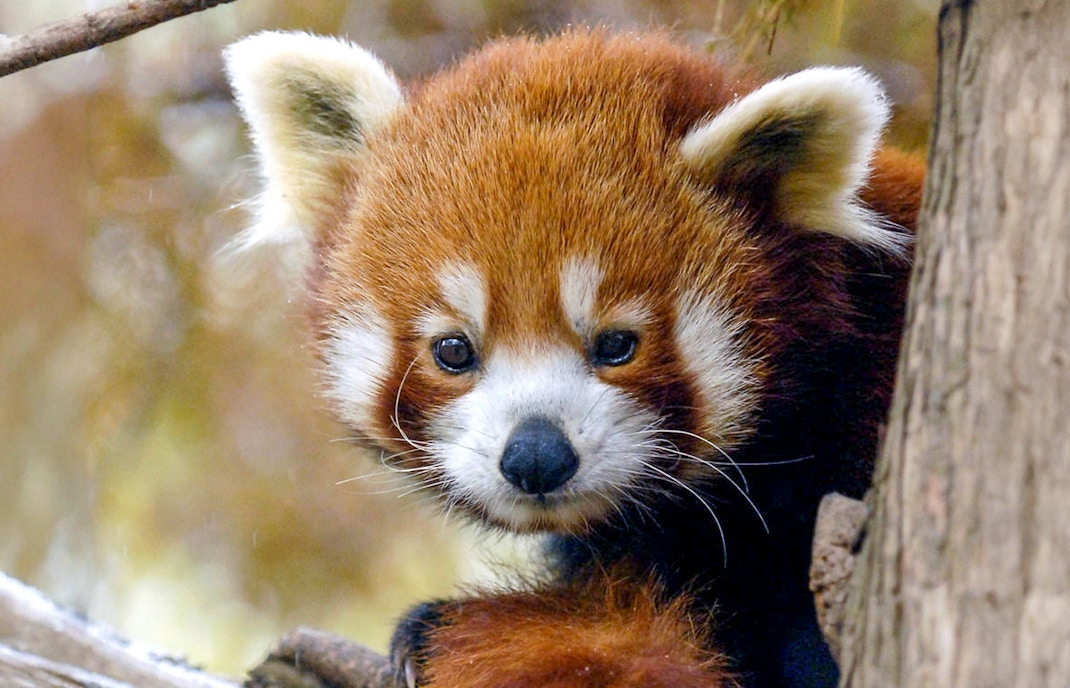
Not a bear, but a unique species all its own, the red panda is small, agile, and tree-loving. With reddish-brown fur and a long-ringed tail, they are mainly active at night and spend much of their time sleeping in trees during the day.
Size: About 2 ft long (plus 18-inch tail); 8–17 lbs.
Diet: Mostly bamboo, but also fruits, eggs, and insects.
Habitat: Forested mountain regions in the Himalayas and China.
Fun fact: Red pandas use their tails like blankets to stay warm in cold weather.

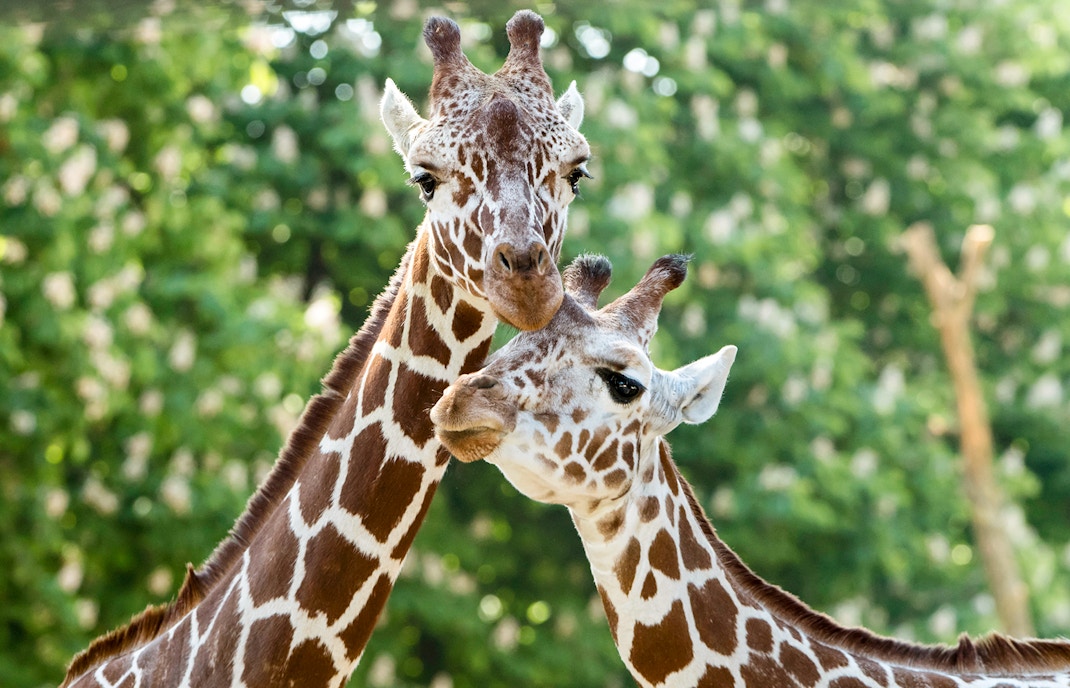
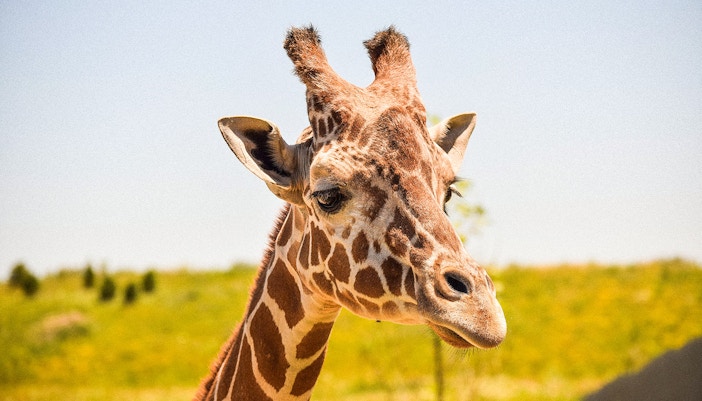
Towering above all land animals, giraffes use their long necks to reach leaves high up in acacia trees. Despite their size, they move gracefully and can run up to 35 mph. Bronx Zoo’s African Plains exhibit features giraffes in a savanna-like setting.
Size: Up to 18 ft tall; 1,600–3,000 lbs.
Diet: Leaves, especially from acacia trees.
Habitat: African savannas and woodlands.
Fun fact: Giraffes have the same number of neck vertebrae as humans, seven, but each one can be over 10 inches long!

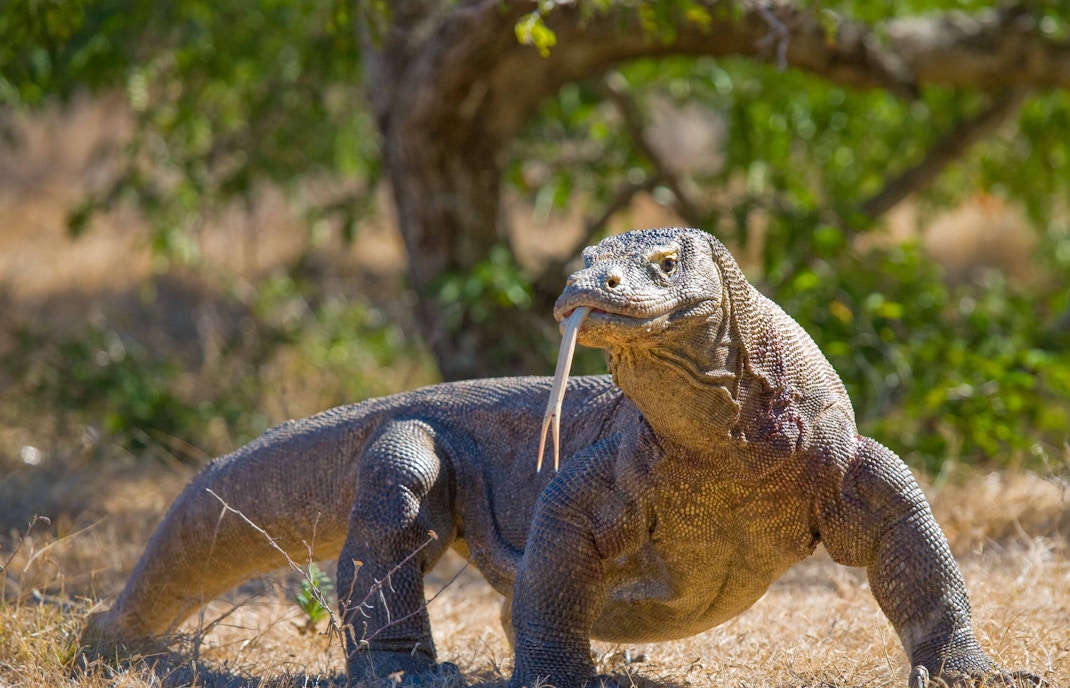
This giant lizard is the apex predator on its native Indonesian islands. With serrated teeth and venomous saliva, it can bring down prey several times its size. Bronx Zoo is one of the few places outside Southeast Asia to see this living dinosaur up close.
Size: Up to 10 ft long; up to 200 lbs.
Diet: Deer, pigs, carrion, and smaller dragons.
Habitat: Arid forests and savannas on Indonesian islands.
Fun fact: Komodo dragons can detect scents up to 2.5 miles away using their forked tongue.

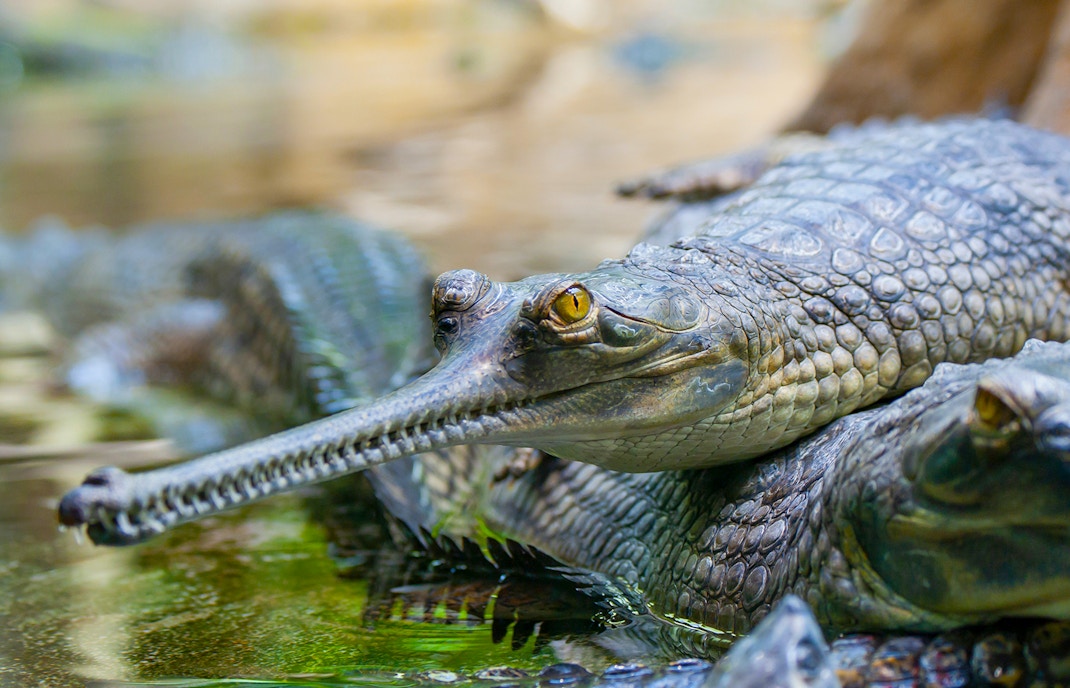
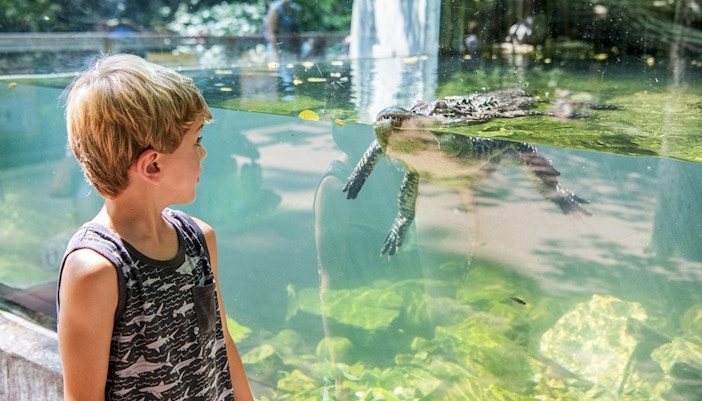
A fish-eating crocodilian with a long, narrow snout lined with sharp teeth. Gharials are a critically endangered species, and Bronx Zoo is one of the few U.S. institutions where you can observe them.
Size: Males up to 20 ft long; females smaller.
Diet: Primarily fish.
Habitat: River systems in the Indian subcontinent.
Fun fact: Males develop a bulbous growth on the tip of their snout called a “ghara,” used to amplify vocalizations.

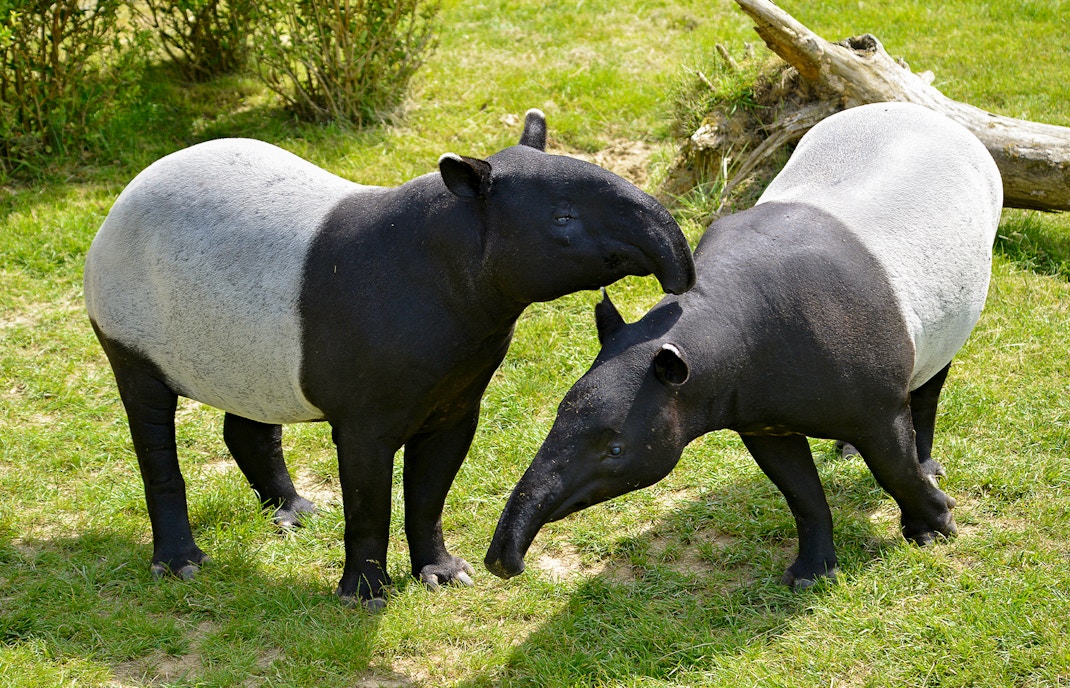
With its distinctive black-and-white coloration, the Malayan tapir looks like a panda–elephant hybrid. It’s a shy, nocturnal animal that uses its short trunk-like snout to grab leaves and fruit.
Size: Up to 6.5 ft long; 550–700 lbs.
Diet: Fruits, leaves, and aquatic vegetation.
Habitat: Rainforests of Southeast Asia.
Fun fact: Despite their hefty size, tapirs are excellent swimmers and often take to water to cool off or escape predators.

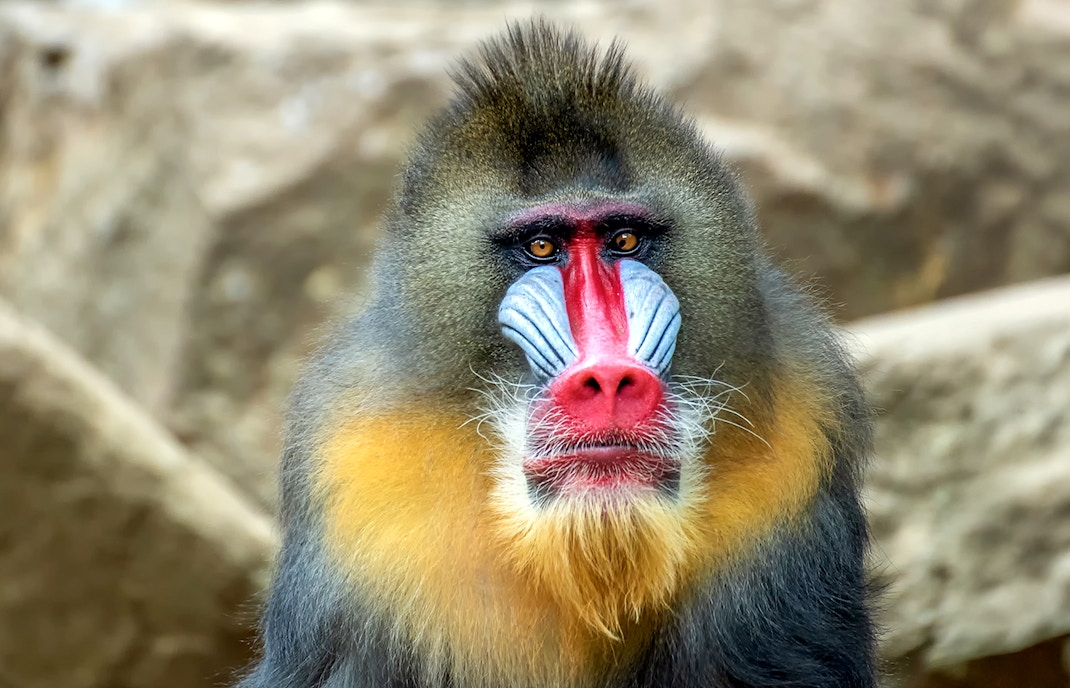
Known for their vivid blue and red facial coloring, mandrills are the world’s largest monkeys. They live in groups called hordes and are highly expressive, using facial gestures and vocalizations to communicate.
Size: Males up to 3.3 ft tall; 50–100 lbs.
Diet: Fruits, seeds, insects, and small vertebrates.
Habitat: Tropical rainforests in Central Africa.
Fun fact: A dominant male’s face becomes brighter the more dominant he is!

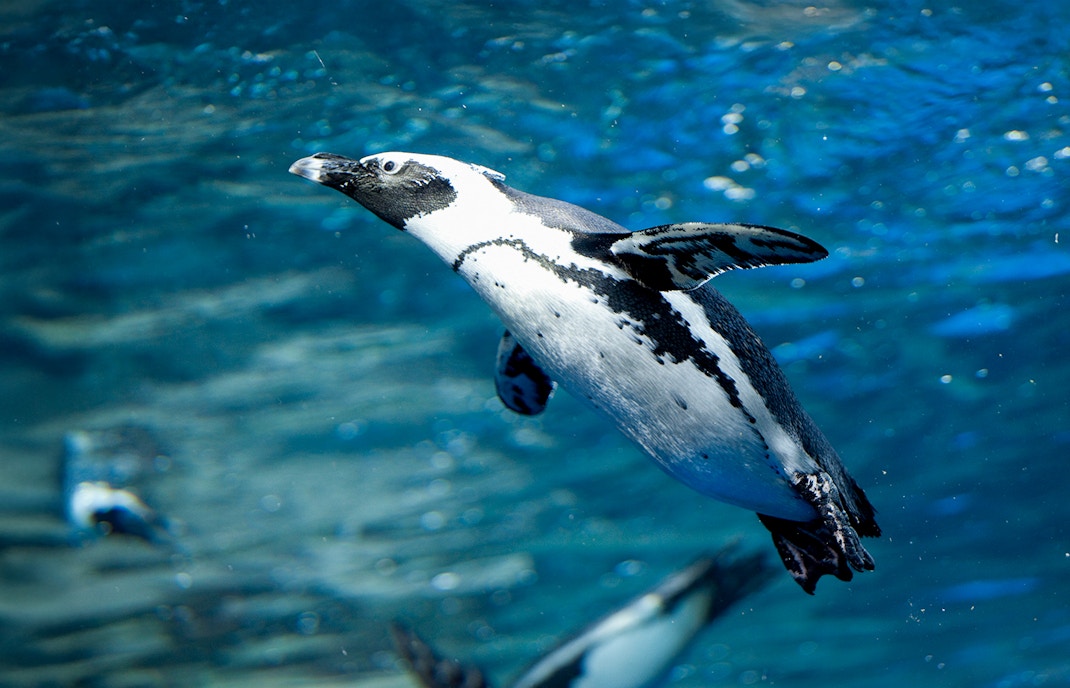
These charismatic birds are a favorite at the Bronx Zoo’s Sea Bird Aviary. African penguins are native to warmer climates, unlike their Antarctic cousins, and are known for their braying call, earning them the nickname “jackass penguins.”
Size: Around 2 ft tall; 5–8 lbs.
Diet: Fish like sardines and anchovies.
Habitat: Rocky coastlines of southern Africa.
Fun fact: They have special glands above their eyes that filter out salt from seawater.
Virtual Wild Encounters at the Bronx Zoo are interactive, live online experiences that allow participants to connect with the zoo’s animals and expert keepers from anywhere in the world.
These sessions are perfect for families, classrooms, or special events, offering an engaging and educational experience. Check it out here.
Yes. The Children’s Zoo is an interactive area where kids can meet and touch friendly farm animals like goats, sheep, and donkeys.
Yes, the zoo houses many endangered and threatened species, including silvered langurs, Kihansi spray toads, and Coquerel's sifakas, and participates in conservation and breeding programs.
No. While some native species (like bald eagles and American bison) are featured, the zoo’s exhibits showcase global biodiversity.
No, general visitors are not allowed to feed the animals. Feeding is strictly prohibited to protect animal health and ensure proper nutrition.
Yes, the Bronx Zoo often announces new births, such as snow leopard cubs, Matschie's tree kangaroo joeys, and silvered langur infants.
The zoo offers natural habitats, enrichment activities, and engages in global conservation efforts to ensure animal welfare and species survival.