Art collections at the Whitney Museum | Masterpieces from 1900 to today

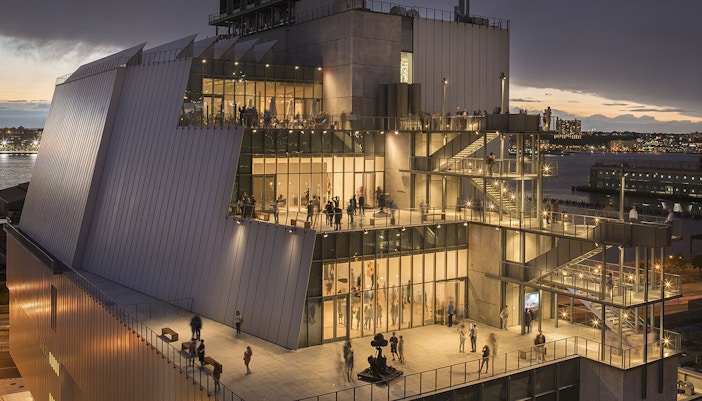
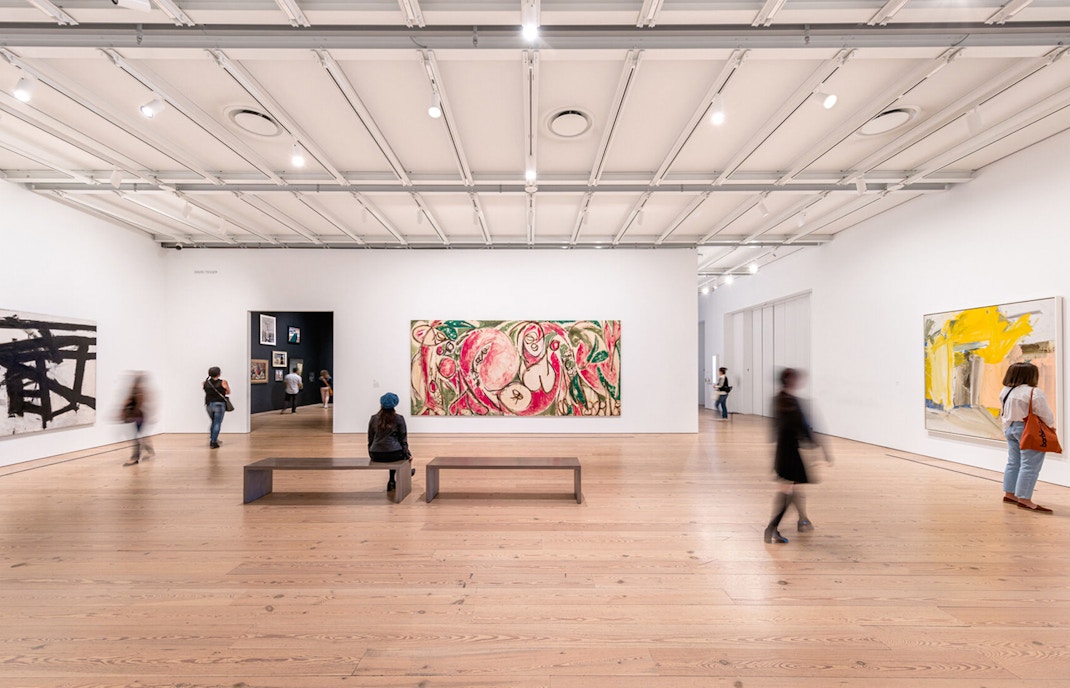
Home to one of the largest collections of modern and contemporary American art, the Whitney Museum in New York City features more than 26,000 works. As the museum rotates its exhibits a few times every year, each visit presents a fresh selection of modern and contemporary American art, offering new perspectives every time.

In this guide, we spotlight a selection of standout pieces across various categories, giving you a glimpse of Whitney's dynamic catalog and visiting tips.

Top collections at the Whitney Museum
Prints
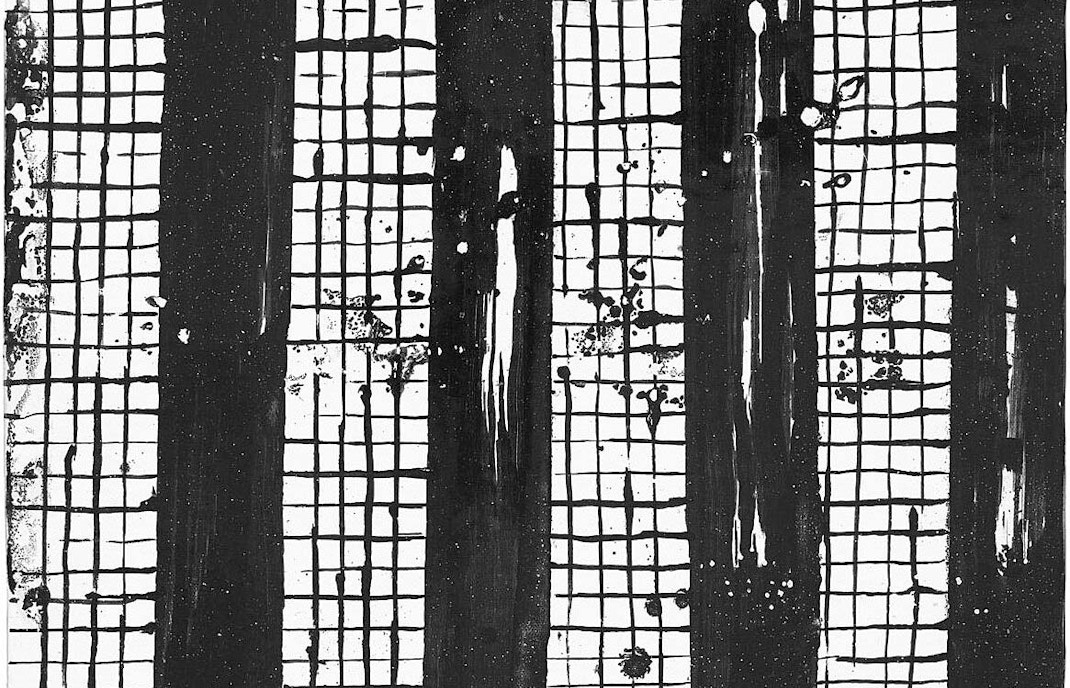
With over 7,800 works, the Whitney's print collection captures the versatility of printmaking techniques and themes across eras. This collection features notable pieces by artists such as Andy Warhol, known for his screen prints that challenge consumerism, and Robert Rauschenberg, whose complex lithographs reflect his interest in pop culture and politics. Through this collection, you can trace how artists used prints to engage with social issues and new technologies.

Drawings

The museum holds more than 6,900 drawings that showcase both the preparatory sketches and final works of artists like Georgia O’Keeffe and Charles Sheeler. This collection highlights the intimate, exploratory nature of drawing as a medium and rare glimpses into the artists' processes. O’Keeffe’s botanical studies, for example, reveal her fascination with nature’s forms, while Sheeler’s architectural sketches reflect his precision and modernist leanings.
Photographs

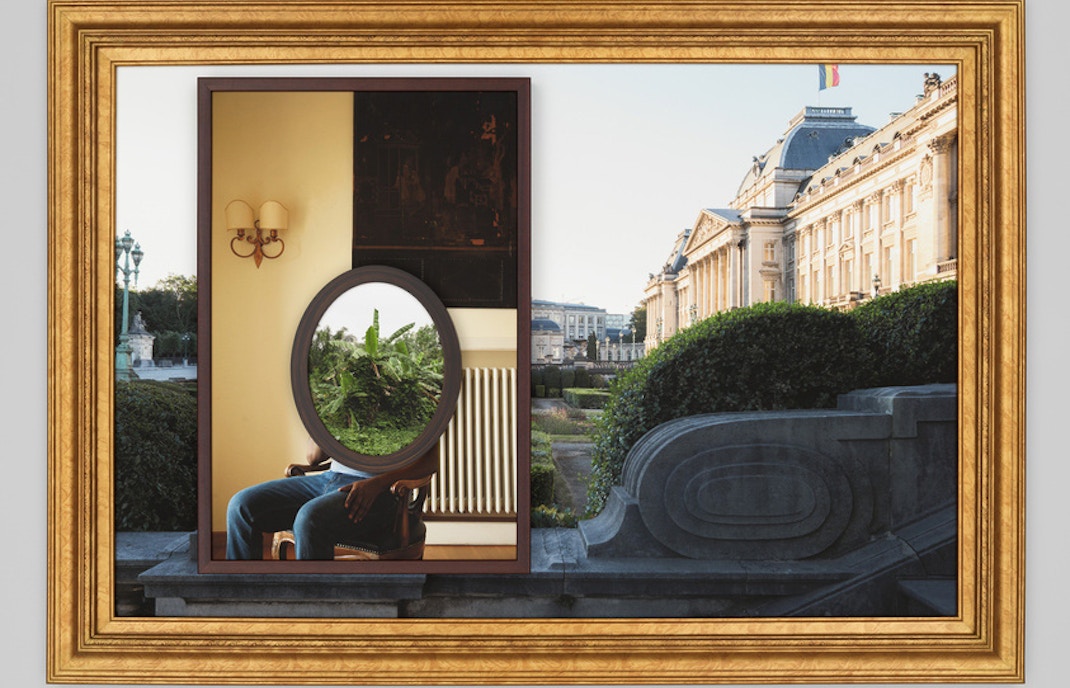
Spanning over 6,700 works, the photography collection provides an extensive look at the medium’s evolution in America. Walker Evans’ Great Depression-era portraits, Dorothea Lange’s social documentation, and Nan Goldin’s raw, intimate images of urban life are all part of this diverse collection. These works capture moments of historical significance, documenting the American experience in powerful, often unflinching ways.
Paintings

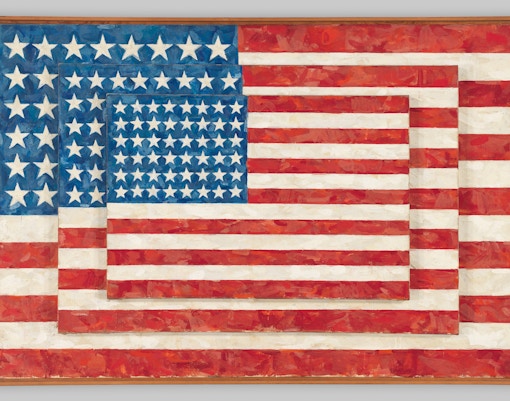
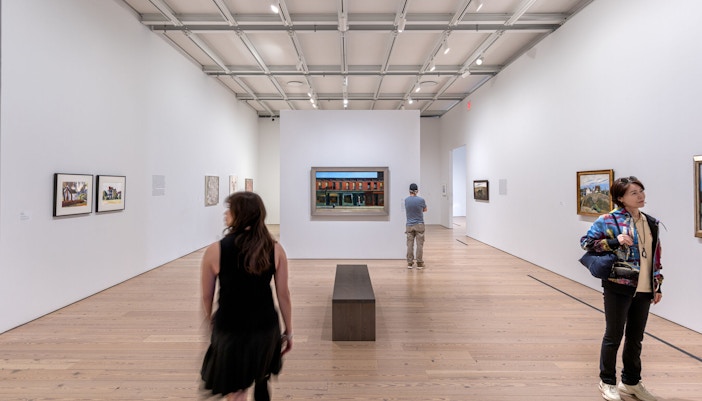
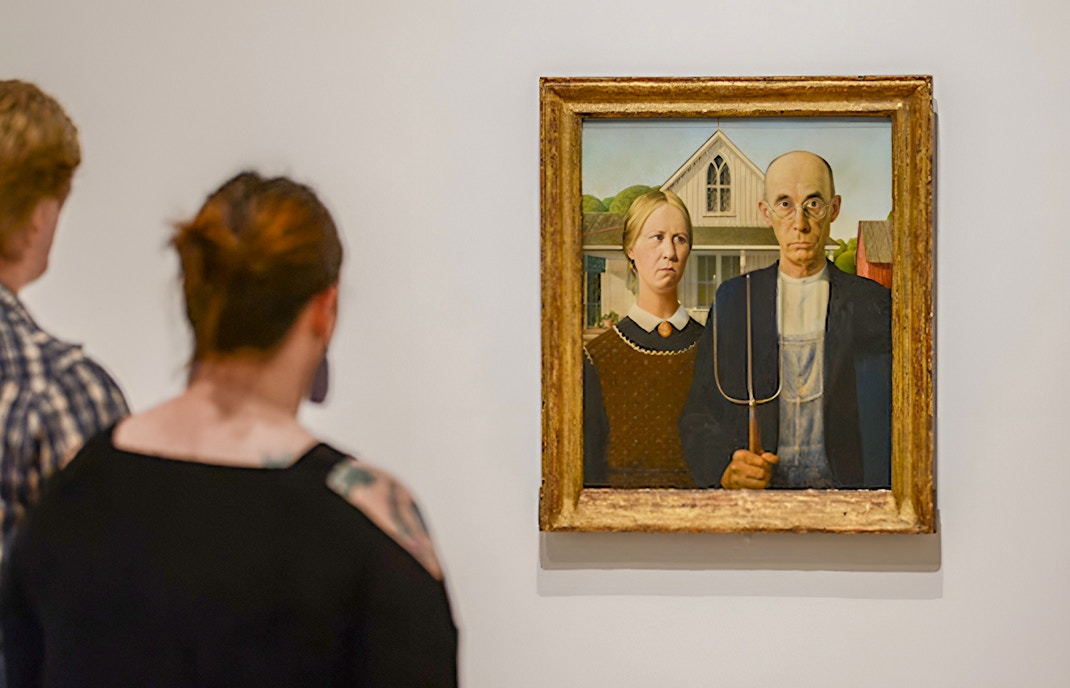
The Whitney’s painting collection is home to more than 2,500 iconic works, including Edward Hopper’s Early Sunday Morning and Jasper Johns’ Three Flags. These paintings not only reflect the evolving styles of American art—from realism to abstraction—but also engage with complex social and political themes. Hopper’s works, for instance, are celebrated for their exploration of urban solitude, while Johns’ use of familiar symbols forces viewers to confront American identity in new ways.
Sculptures

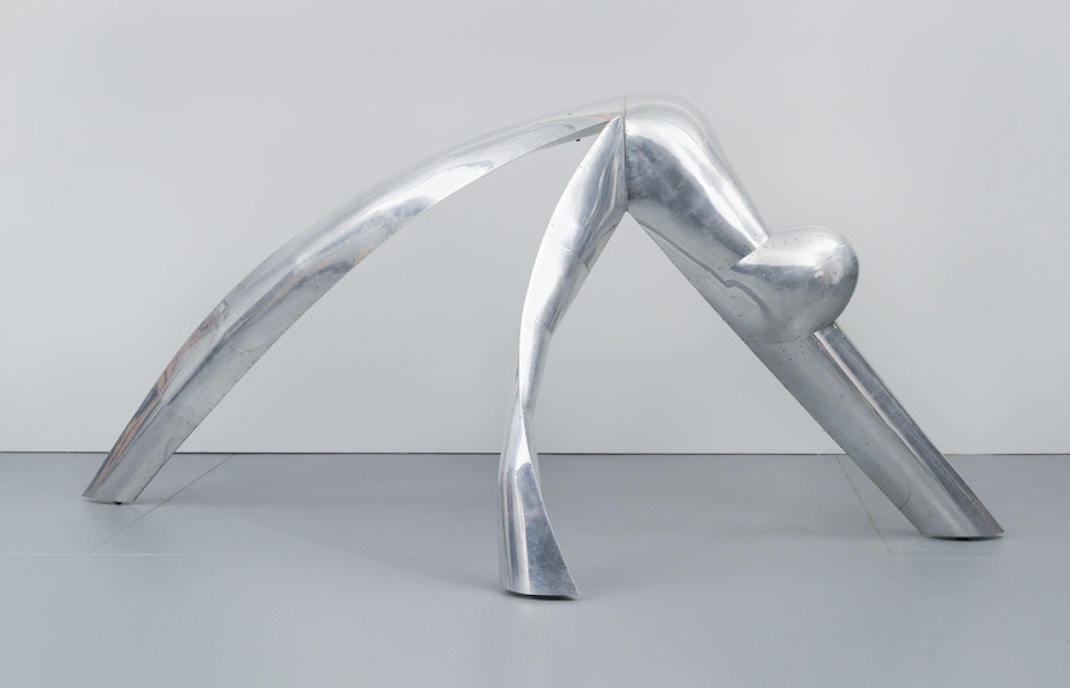
The collection includes over 1,400 sculptures, with key works by artists such as Alexander Calder, known for his mobiles that defied static form, and Louise Bourgeois, whose personal, abstract works explore themes of memory and identity. Calder's kinetic sculptures introduced movement into modern art, while Bourgeois’ Spider challenged the viewer’s perception of space and emotion.
Installations

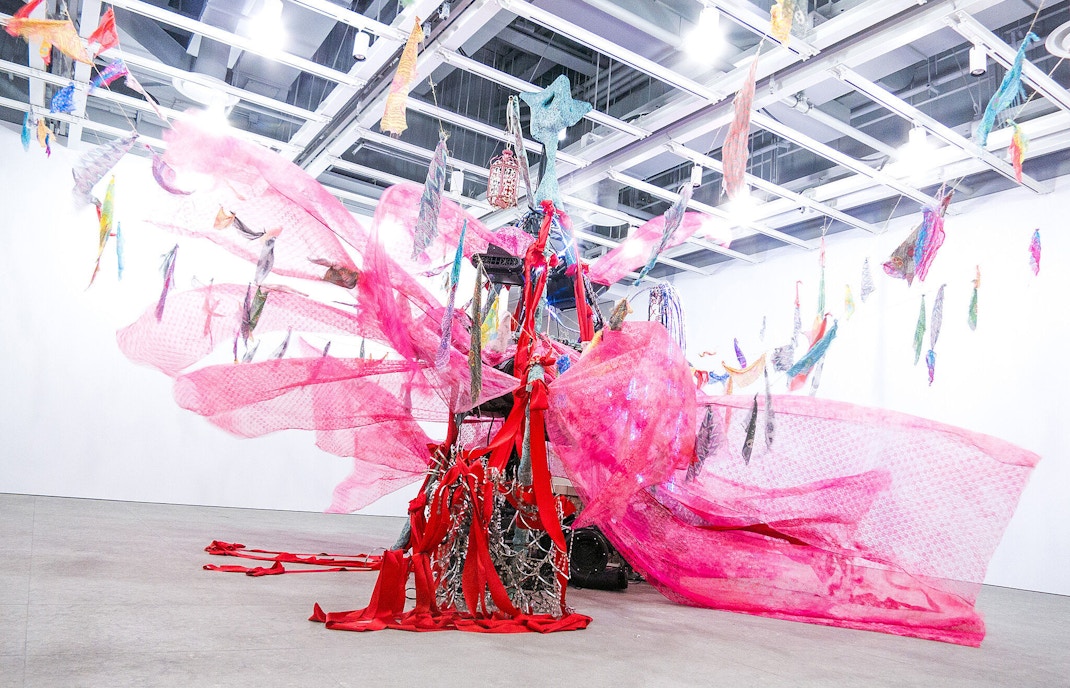
The Whitney’s installations offer immersive experiences, with artists like Felix Gonzalez-Torres transforming spaces into thought-provoking environments. His Untitled (Portrait of Ross in L.A.) invites you to take a piece of candy, a symbolic gesture reflecting on loss and regeneration in the context of the AIDS epidemic. These installations often engage deeply with political and social narratives.
Video & film

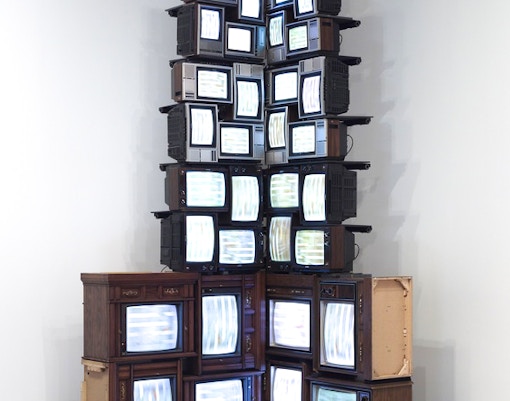
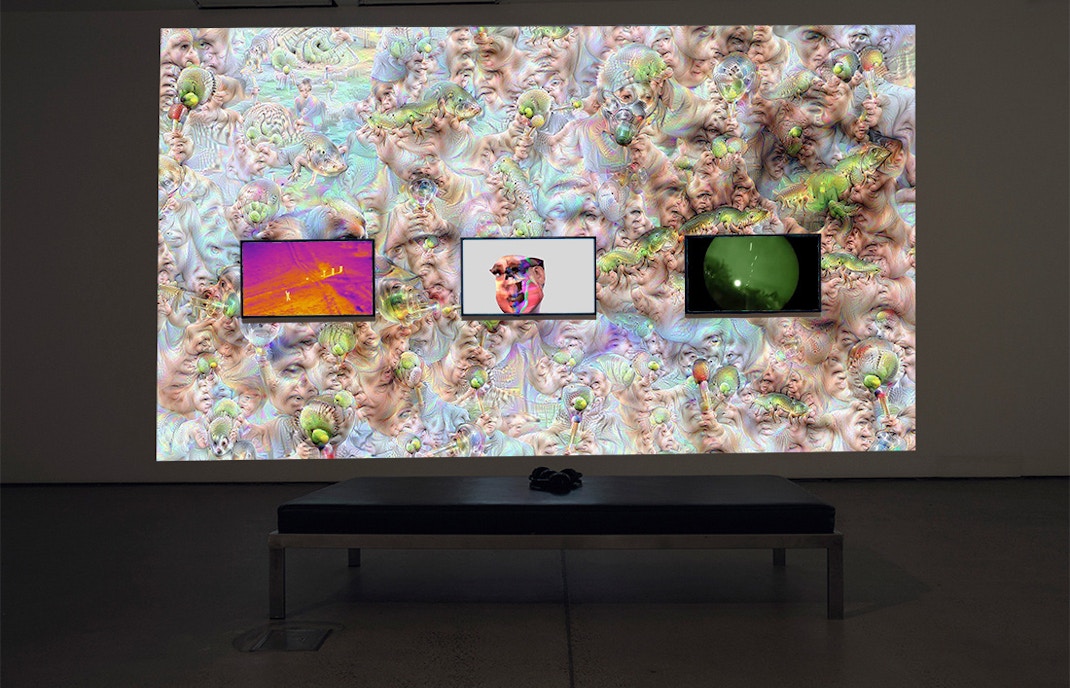
The Whitney’s video and film collection, featuring over 400 works, highlights pioneering contributions from artists like Nam June Paik and Joan Jonas. Paik, often regarded as the father of video art, challenged conventions with his multi-screen installations, while Jonas’ performances on film explore gender and identity in groundbreaking ways. These works demonstrate the museum’s commitment to showcasing the intersection of technology and art.
Digital art

A growing collection of digital art reflects Whitney's engagement with new media. Artists like Cory Arcangel, who manipulate technology and internet culture, use digital tools to question our relationship with modern life. This collection continues to evolve, expanding the boundaries of contemporary art and offering fresh perspectives on the digital age.
Books, jewelry, and textiles

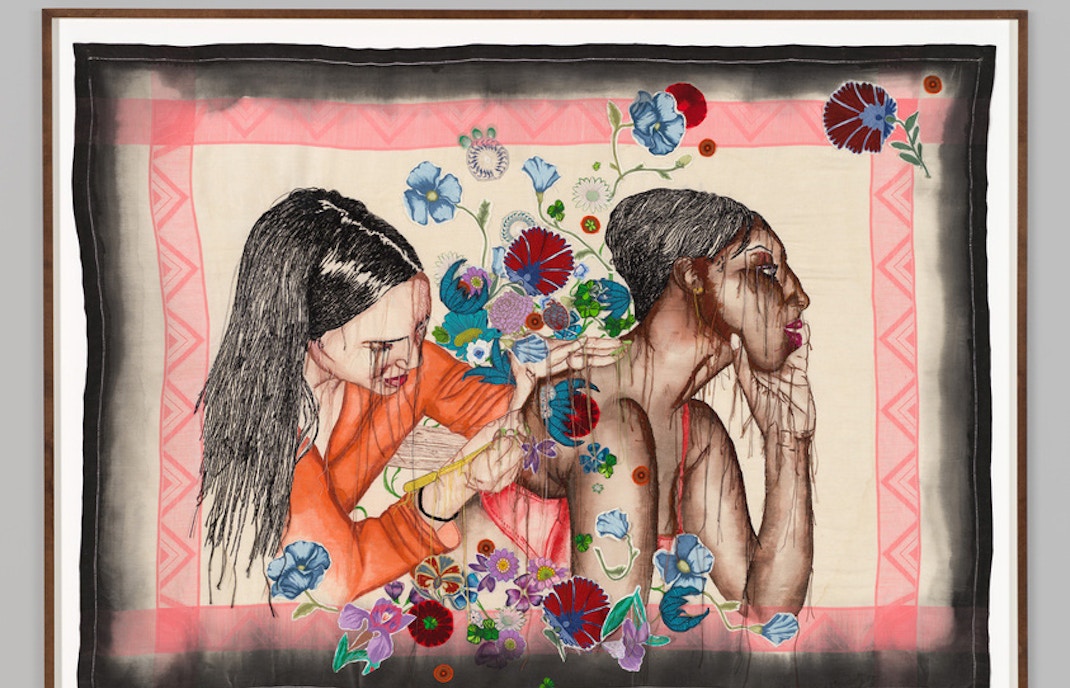
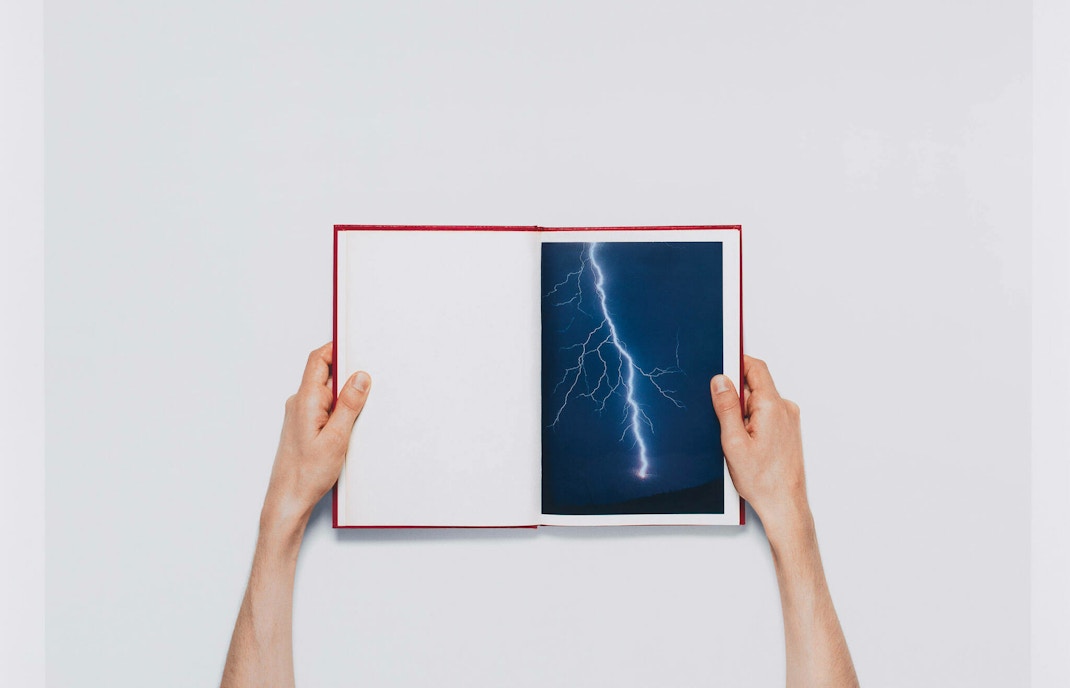
The Whitney's collection of books, jewelry, and textiles highlights both the practical and expressive dimensions of these mediums. The book collection offers artist books, rare publications, and unique works that merge literary and visual art. Jewelry and textile works, while more niche, reflect the blending of fine art with craft. Pieces like those from contemporary artists such as Claire Zeisler and Faith Ringgold offer deep personal and cultural commentaries, with textiles often addressing themes of identity, memory, and social justice.
Sound works, performance art, models

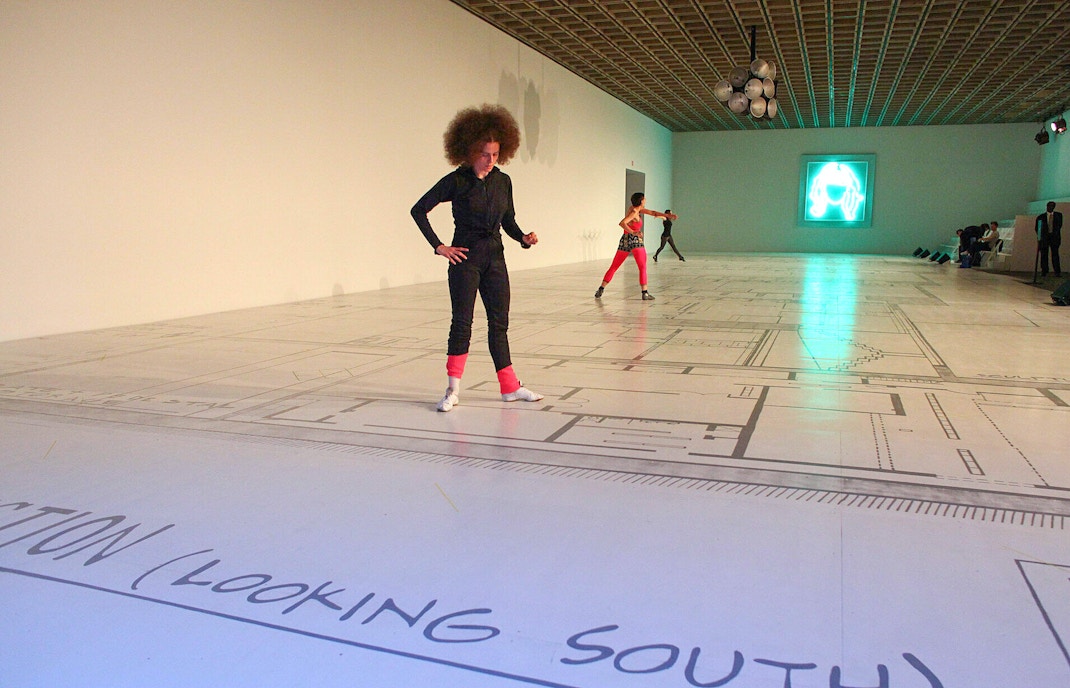
The Whitney also engages with more unconventional forms, such as sound works and performance art, which challenge traditional art mediums. Sound art, like works by La Monte Young, immerses you in an auditory experience that explores time, space, and sensory perception. Performance art pieces, such as those by Joan Jonas, push the boundaries of narrative and bodily expression. The collection of models features architectural or conceptual prototypes that offer a glimpse into an artist's planning and creative process before bringing larger projects to life.
Highlights of the museum collection

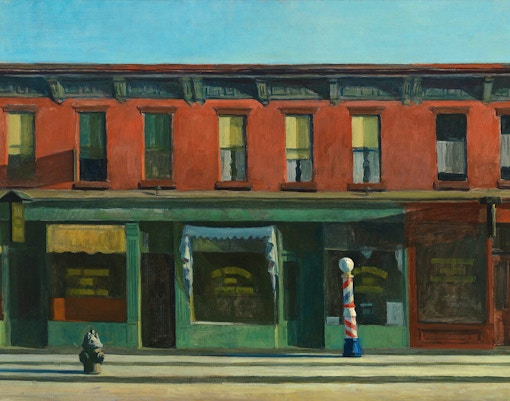
Edward Hopper, Early Sunday Morning (1930)

This quintessential American painting captures the quiet, sun-dappled street of a New York neighborhood. Hopper’s masterful use of light and shadow evokes a profound sense of solitude, inviting you to reflect on the isolation found in urban life.

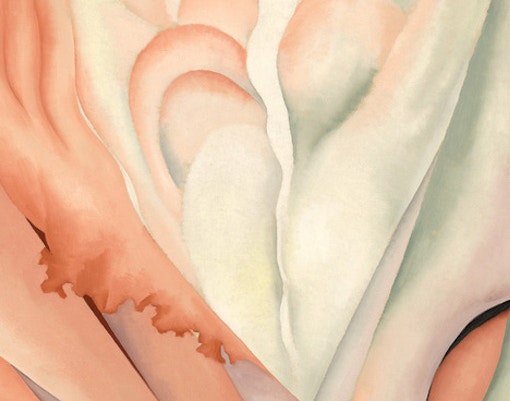
Georgia O’Keeffe, Flower Abstraction (1924)

O’Keeffe’s close-up views of flowers revolutionized American modernism. In Flower Abstraction, her use of bright colors and flowing forms turns nature into something both familiar and abstract.

Jasper Johns, Three Flags (1958)

Johns’ multi-layered rendering of three American flags in encaustic is both iconic and ambiguous. By repeating this symbol of national identity, Johns forces you to question its meaning and the complexities of American culture during the Cold War era.

Alexander Calder, Circus (1926-1931)

Calder’s miniature circus is a playful yet technically complex sculpture made of wire and found materials. The circus is filled with playful little details that move around, and will be sure to make you smile!

Louise Bourgeois, Maman (1999)

This giant spider sculpture stands over 30 feet tall and represents a deeply personal exploration of motherhood and protection. Bourgeois’ use of steel and marble reflects the tension between strength and vulnerability.

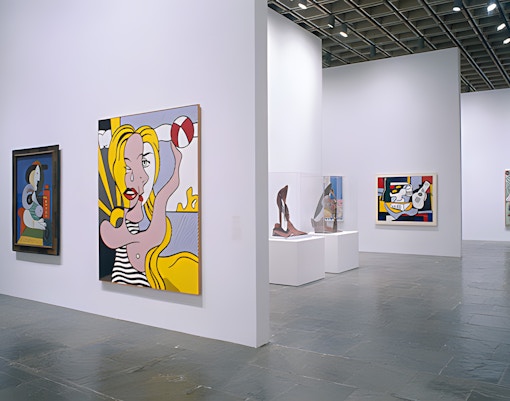
Roy Lichtenstein, Girl with Ball (1961)

Lichtenstein’s comic-inspired Girl with Ball epitomizes the Pop Art movement. His use of Ben-Day dots and bold colors invites you to question the relationship between high art and mass culture.

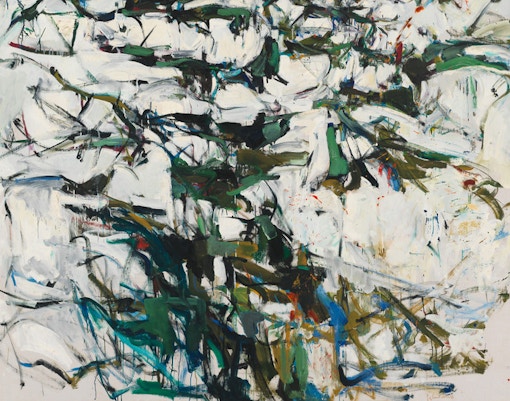
Joan Mitchell, Hemlock (1956)

Mitchell’s abstract expressionist work Hemlock is a sweeping composition of bold brushstrokes and layered colors. Its title references a poisonous plant, yet the painting is vibrant and energetic.

Nam June Paik, TV Garden (1974)

Paik’s TV Garden installation combines television sets and live plants, juxtaposing nature with technology. This pioneering work in video art engages you in a sensory experience.

Visitor tips

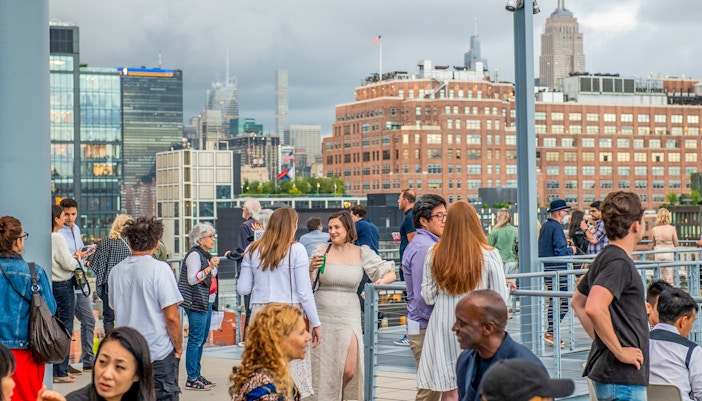
  • Start at the bottom: Begin your art journey on the lower levels and gradually ascend, saving the stunning rooftop terraces and the Studio Café on the eighth floor for a picturesque finale.
  • Check exhibit locations early: The Whitney Museum frequently changes its exhibits, so when you arrive, ask the museum staff where to find the collections you’re most interested in. This way, you won’t miss anything you came to see!
  • Wrap up your visit early on Fridays: If you’re visiting on Fridays, aim to wrap up your visit by 5pm. This is when the museum sees a large influx of crowds that arrive for the ‘Free Fridays’ making it challenging to enjoy the artworks in peace.
  • Don’t miss the Biennial: Align your visit with the Whitney Biennial if possible. This pivotal event showcases the latest trends in American art, often intertwined with social and political commentary, providing a fresh perspective on contemporary issues.
  • Wrap up with ‘New Poetry’ by Rashid Johnson: As you exit or make your way to the Frenchette bakery, don't miss Rashid Johnson’s ‘New Poetry’ in the lobby. This art installation, with its bold steel grids and vibrant array of plants, books, and silently playing films.
  • Collect a New York memento: Before leaving, swing by the ground floor's Whitney Shop. You’ll find New York-themed souvenirs, including prints, ceramics, and apparel, all showcasing the work of local artists.

Whitney Museum’s online collection

The Whitney Museum of American Art has embraced the digital realm by making its vast collection accessible online. This move allows you to delve into over 26,000 works of American art from the comfort of your home. You can explore this extensive digital collection through a well-organized interface that offers filtering by artist, medium, and era among other options, making it easy to find specific works or discover new favorites.

Frequently asked questions about the Whitney Museum collections

The Whitney Museum is dedicated to showcasing American art from the 20th and 21st centuries. It’s renowned for its vast collection, including masterpieces by artists like Edward Hopper, Georgia O’Keeffe, and Andy Warhol, as well as modern works by Kara Walker and Jean-Michel Basquiat. The collection reflects the diversity and evolution of American art over time.

More reads

Opening hours

Restaurants

Book Now