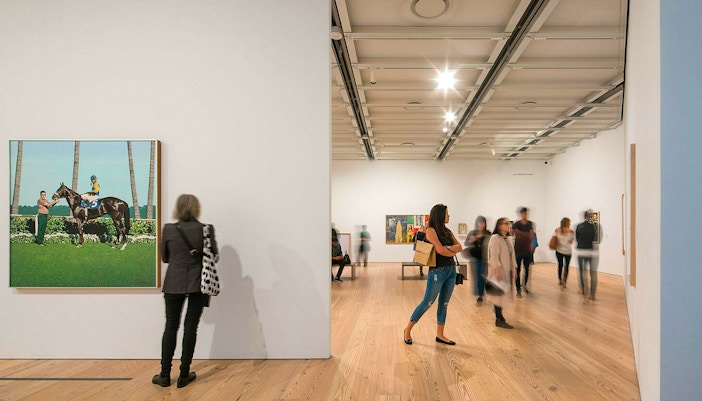
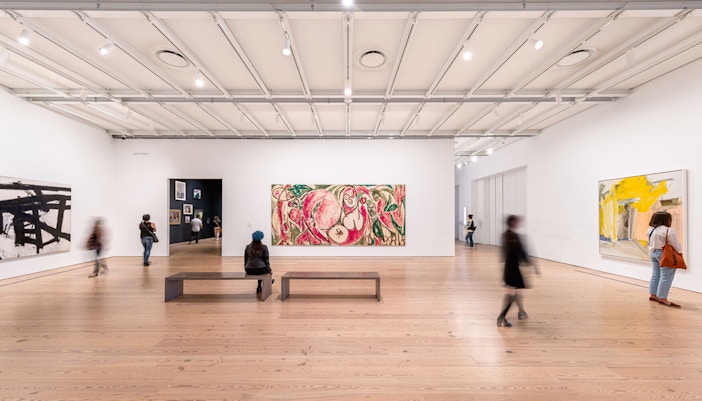
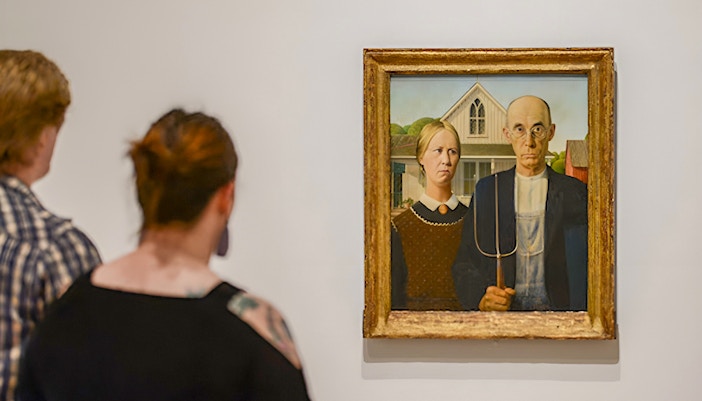
- Promote contemporary American art: The Biennial is designed to reflect the current state of American art and culture.
- Showcase diverse voices: It highlights works from a wide range of artists, often focusing on those from underrepresented communities, including BIPOC, LGBTQ+, and women artists.
- Address societal issues: The exhibition frequently touches on critical topics such as identity politics, technology, race, and social justice.
A comprehensive guide to Whitney Museum’s Biennial
The Whitney Museum Biennial is a landmark event in the contemporary art world, showcasing the most innovative and compelling works by both emerging and established American artists. This guide provides an overview of the Biennial’s history, highlights from past exhibitions, and essential information about 2024’s edition.
About the Whitney Biennial
As one of the most prestigious and longest-running exhibitions of contemporary American art, the Biennial has played a crucial role in shaping the direction of American art., It offers a vital platform for both emerging and established artists to present their work. Held every two years since 1932, the Biennial provides a snapshot of current trends and ideas in contemporary art. What sets it apart is its consistent engagement with the pressing social, cultural, and political issues of the time, making it a barometer of American art’s response to contemporary challenges.
Mission and goals
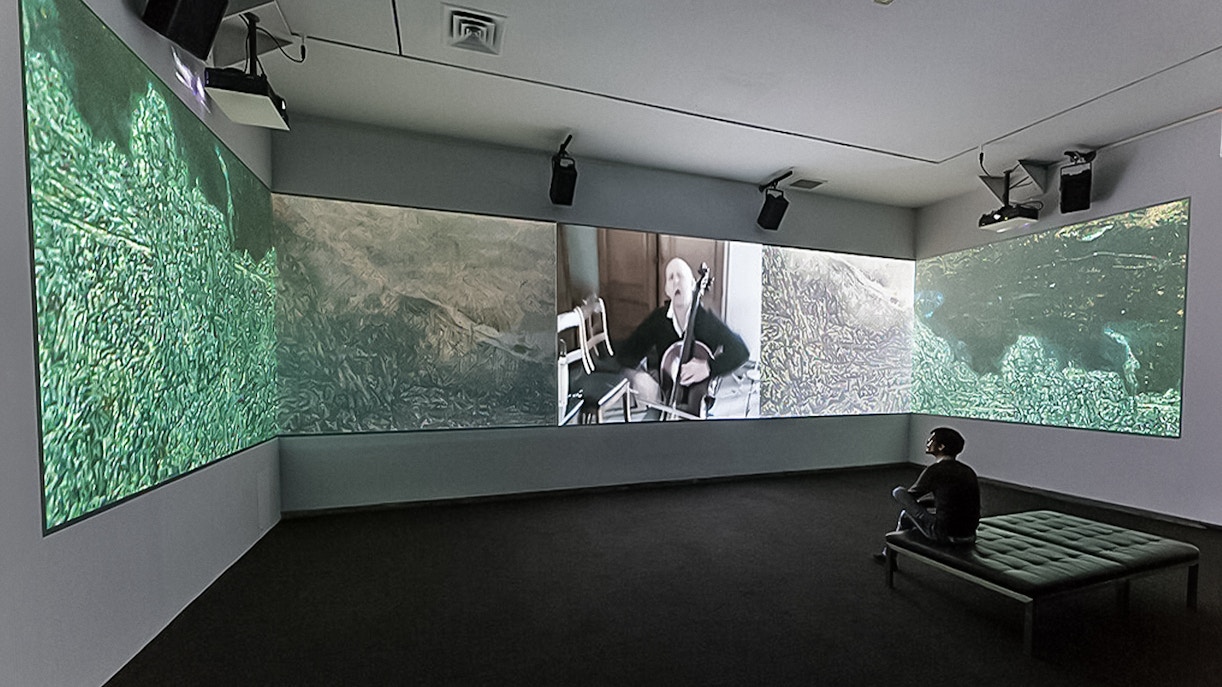
A look at the past Biennials
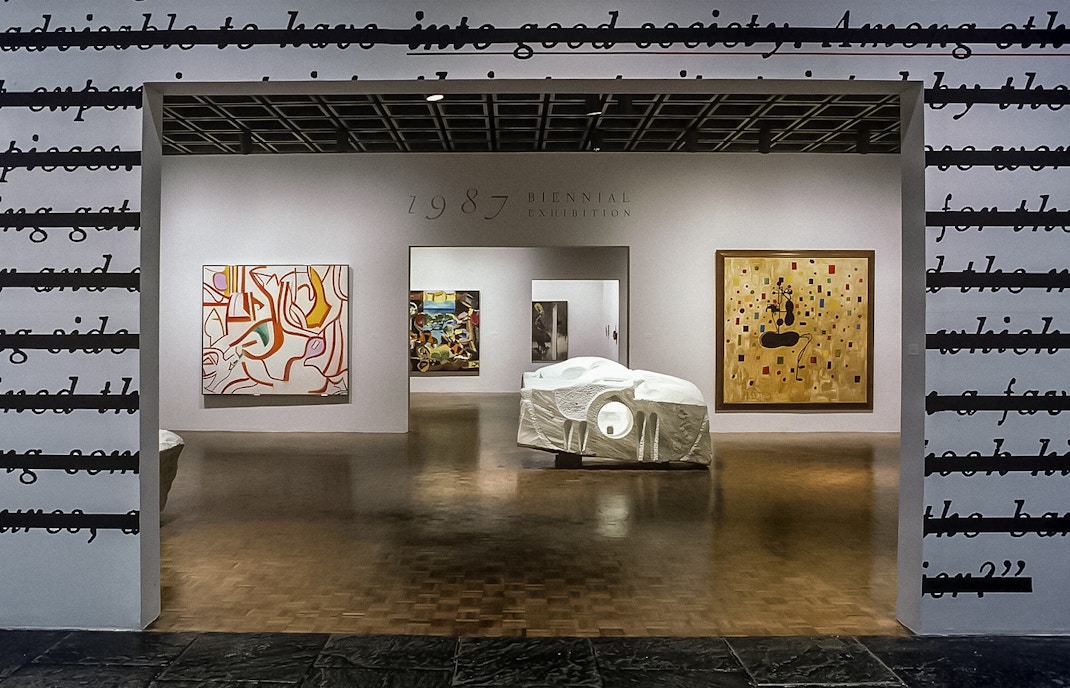
1987 Whitney Biennial
The 1987 Whitney Biennial was an important exhibition, due to its controversial embrace of both new media and a strong political focus, especially on race and AIDS activism. This Biennial was notable for giving more space to emerging voices from marginalized communities. Artists such as Jenny Holzer, known for her use of text in public spaces, and David Wojnarowicz, whose work dealt with his experience as an AIDS sufferer, were prominent figures.
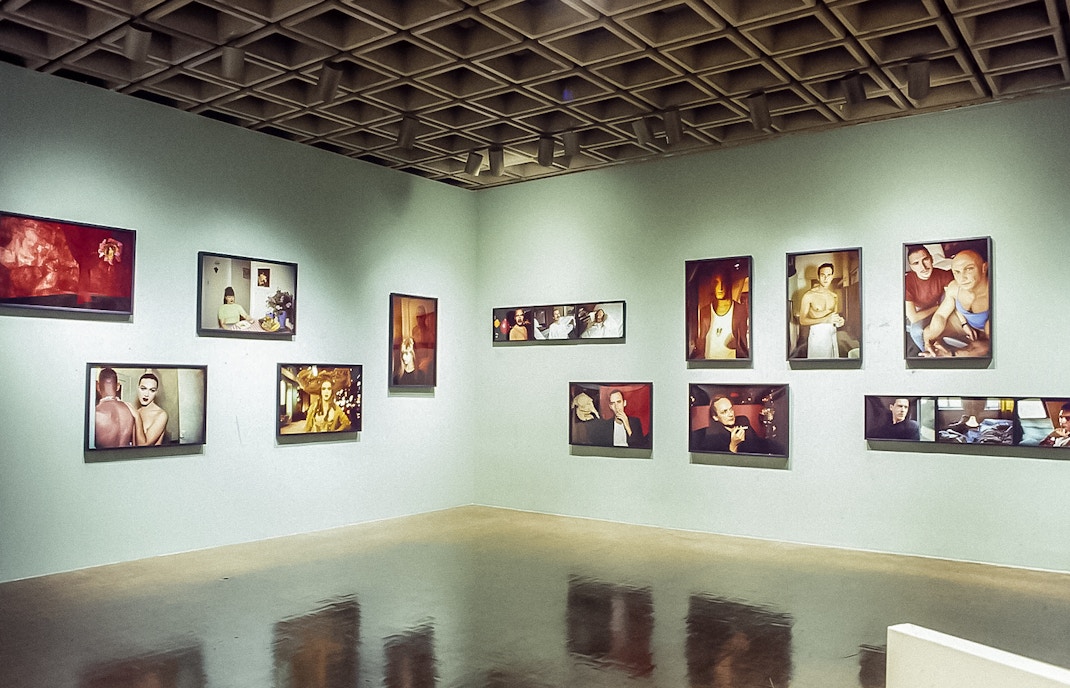
1993 Whitney Biennial
The 1987 Whitney Biennial was an important exhibition, due to its controversial embrace of both new media and a strong political focus, especially on race and AIDS activism. This Biennial was notable for giving more space to emerging voices from marginalized communities. Artists such as Jenny Holzer, known for her use of text in public spaces, and David Wojnarowicz, whose work dealt with his experience as an AIDS sufferer, were prominent figures.
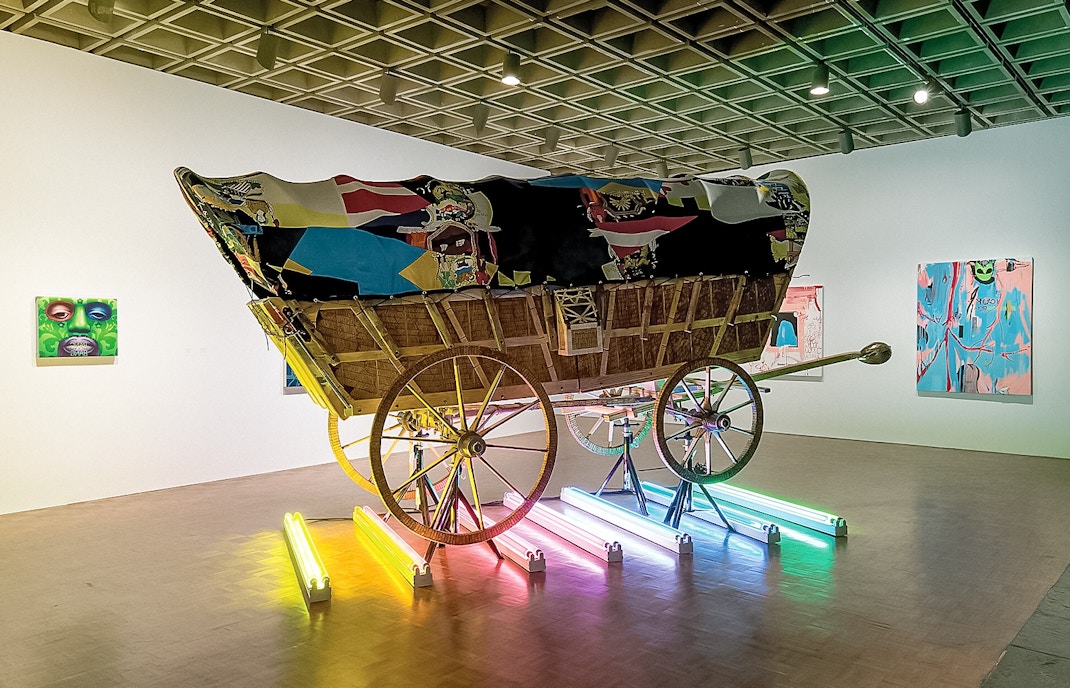
2006 Biennial: Day for Night
Titled Day for Night, this Biennial took on a more thematic approach, curated by Chrissie Iles and Philippe Vergne. It was noted for exploring the influence of European art on young American sculptors, merging different artistic styles. The Biennial also showcased a wide array of performance art and multimedia works.
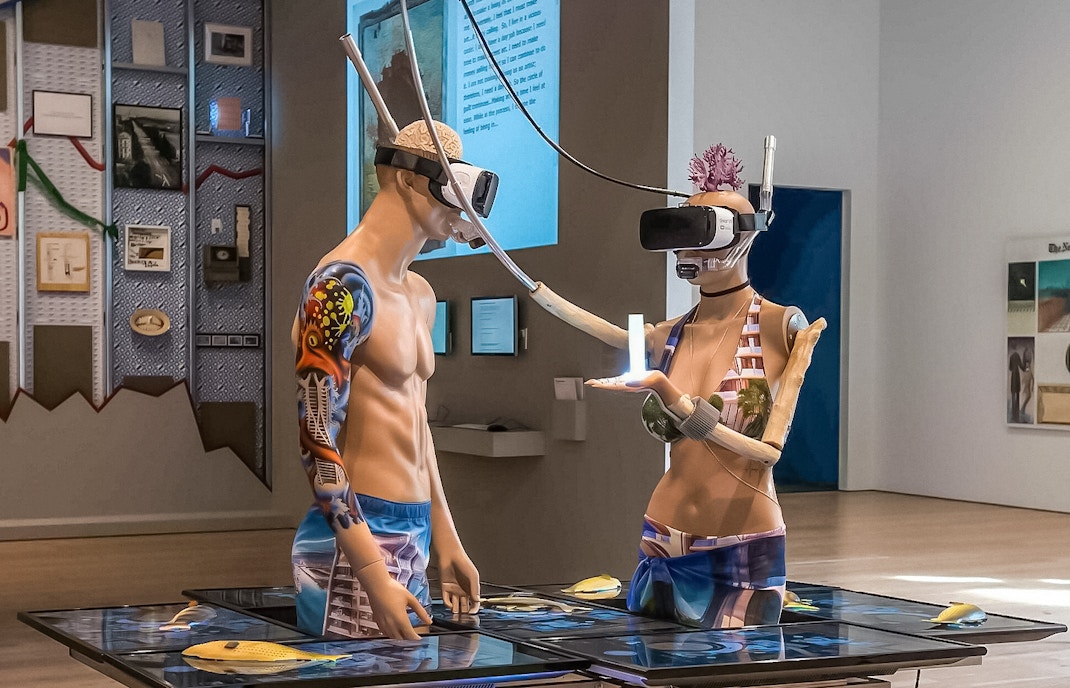
2017 Biennial: Networks of Making and Meaning
The 2017 Biennial was marked by controversy, particularly surrounding Dana Schutz’s painting Open Casket, which depicted the open casket of Emmett Till, a victim of a racially motivated lynching. The artwork sparked protests and debates about cultural appropriation, leading to demands for its removal. The 2017 edition became a flashpoint for discussions on race, representation, and the boundaries of artistic expression.
Memorable artworks over the years
Floor Cake
Artist: Claes Oldenburg
Biennial year: 1961
Oldenburg’s Floor Cake—a giant, soft sculpture of a slice of cake—was an example of pop art, blurring the lines between high art and everyday objects. It challenged traditional sculpture by using fabric and stuffing.
Open Casket
Artist: Dana Schutz
Biennial year: 2017
This painting, depicting the mutilated body of Emmett Till, became one of the most controversial pieces in recent Biennial history. Schutz’s work faced criticism for appropriating Black suffering, sparking protests and widespread debate on the ethics of representation in art.
Triple-Chaser
Artist: Forensic Architecture
Biennial year: 2019
This investigative piece linked museum board member Warren Kanders’ company to the sale of military supplies used in global conflicts. The multimedia work documented evidence linking these products to human rights violations, sparking protests that led several artists to withdraw from the Biennial.
Untitled (USA Today)
Artist: Felix Gonzalez-Torres
Biennial year: 1991
This interactive piece—a massive stack of newspapers visitors could take—reflected on the media's influence and raised questions about participation and consumption.
Guarded View
Artist: Fred Wilson
Biennial year: 1991
Wilson’s installation of headless mannequins in museum guard uniforms, highlighted the often invisible labor of security staff, questioning power dynamics and representation within museums.
The Great White Way
Artist: William Pope.L
Biennial year: 2002
Known for his provocative performance art, Pope.L’s The Great White Way saw him crawling along the streets of New York in a Superman outfit, challenging notions of heroism, endurance, and racial stereotypes.
Floor Cake
Artist: Olafur Eliasson
Biennial year: 2004
Though originally displayed at the Tate Modern, Eliasson’s immersive work, turning a gallery into a sunlit environment, set a new standard for installation art at the Biennial.
Every Building on the Sunset Strip
Artist: Ed Ruscha
Biennial year: 1967
This iconic piece by Ed Ruscha was a fold-out book that documented every building along Los Angeles’ famous Sunset Strip. It marked a pivotal moment for conceptual art, and a defining example of how art could capture the everyday and transform it into something profound.
Biennial 2024 - Even Better Than the Real Thing
The 2024 Whitney Biennial, titled Even Better Than the Real Thing, explores the shifting realities of our digital age, and the blurred boundaries between the physical and virtual worlds. With 71 artists and collectives, it promises a mix of thought-provoking art, performances, and interactive experiences.
The theme, "Even Better Than the Real Thing", focuses on how artificial intelligence, digital media, and technology enhance, distort, and recreate reality. Artists are responding with works that question what is real and what is constructed or altered.
Notable artists include Holly Herndon & Mat Dryhurst, who will showcase “Proto”, an AI-generated choral project that blurs the line between human and machine voices. Torkwase Dyson contributes “I Can Drink the Distance: Plantationocene in Four Acts”, a sculptural exploration of spatial and environmental justice. Cannupa Hanska Luger presents “The Future Doesn’t Eat”, a multimedia installation combining video, ceramics, and sound to challenge colonial narratives. Diane Severin Nguyen exhibits “If Revolution is a Sickness”, a video installation that examines revolution, memory, and diaspora.
How to see the Biennial artworks
To see the Whitney Biennial artworks, all you need is a standard admission ticket to the museum. Simply purchase your museum entry tickets and you'll have access to all the Biennial exhibitions. This ticket grants access to both the Biennial and the museum's permanent collection.
Location: The Whitney Museum is situated at 99 Gansevoort Street, New York City, right in the heart of the Meatpacking District. (Find on Maps)
Timings: The opening hours of the museum remains the same during the Whitney Biennial. You can explore the exhibits from 10:30am to 6pm on all days except Tuesdays, with extended hours on Fridays until 10pm for those who prefer an evening visit.
Frequently asked questions about the Whitney Biennial
The Whitney Museum Biennial is a major contemporary art exhibition held every two years at the Whitney Museum of American Art in New York City. It features a diverse range of works by American artists and serves as a platform to explore current trends and innovative practices in contemporary art.
The 2024 Whitney Biennial opened on March 20, 2024, and will run until September 29, 2024. This edition promises to feature a wide range of contemporary artists and will continue the tradition of highlighting the latest trends and themes in American art.
No, you don’t need a separate ticket for the Whitney Biennial. Your general admission ticket to the museum covers access to all exhibitions, including the Biennial.
Artists are selected through a rigorous process that involves recommendations from curators, art critics, and other professionals in the art community. The selection aims to represent a broad spectrum of artistic practices and backgrounds, ensuring that both emerging and established artists have the opportunity to participate.
Yes, the 2024 Whitney Biennial offers a variety of special events, including live performances, artist talks, and panel discussions. Notable highlights include JJJJJerome Ellis’s "Offerings", a sound-based performance running from 2nd to 4th August, and Alex Tatarsky’s "FEELING$ FEELING$ FEELING$" on 20th and 21st July.