- This long-running Wooster Street installation fills a loft with 280,000 lb of earth, and it’s still one of the strangest free art stops in Manhattan.
- Best for: Art lovers, repeat visitors, curious walkers.
- Duration: 15–20 min
- Combine this with: Greene Street cast-iron walk (about 8 minutes) and Drawing Center (about 5 minutes )
Neighborhood at a glance
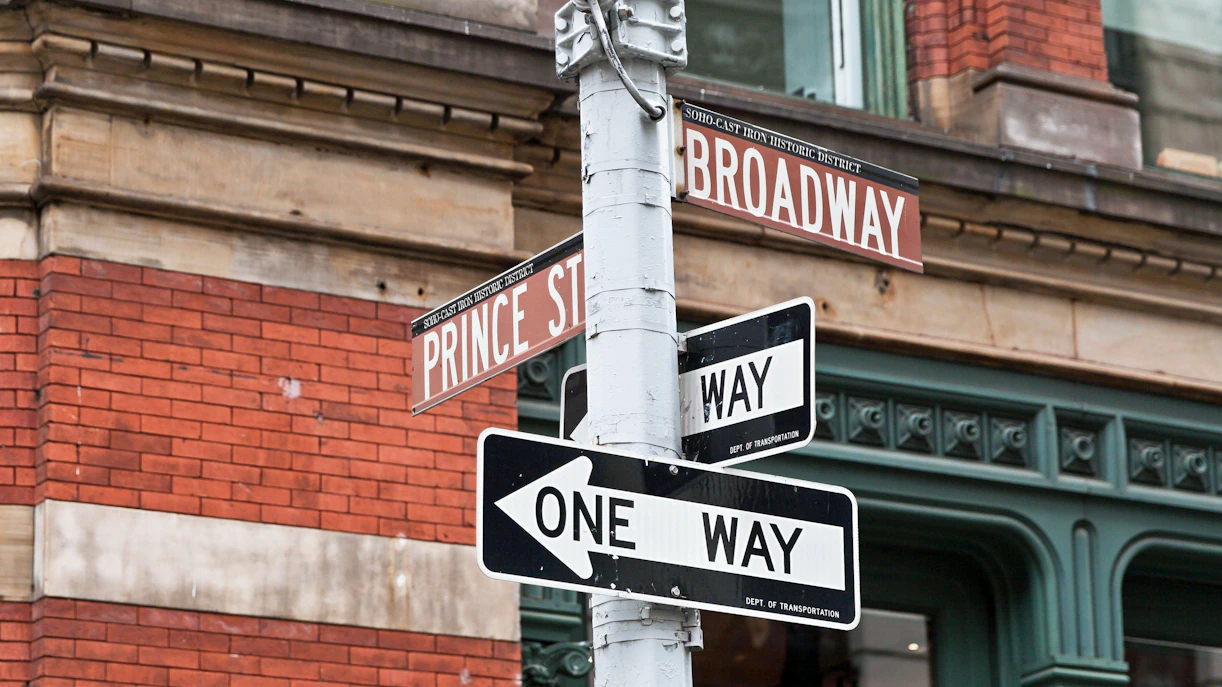
- Why visit: SoHo is where you come for cast-iron streets, flagship shopping on Broadway and Prince Street, and a compact downtown walking route that links art spaces, cafés, and Lower Manhattan neighborhoods.
- Atmosphere: Fashion-forward, busy, polished, walkable.
- Top things to do: Walk Greene Street’s cast-iron blocks, browse Broadway and Prince Street stores, visit the Drawing Center, stop by the New York Earth Room.
- Best for: First-time downtown visitors, shopping-focused trips, architecture fans, café hoppers.
- Time needed: 2–4 hours.
- Best time to visit: Weekday mornings or late afternoons for lighter foot traffic and better light on Greene Street.
- Nearby: Nolita, Chinatown, Little Italy, Tribeca, Washington Square Park, Hudson Square.
Top things to do in SoHo
Quick navigation
🏛️ Why visit | 🎟️ Best ways to explore |🧭 Plan your visit | 🌟 Free things to do | 📋 Itinerary | 💡 Tips | 🍴 Dining
Why visit SoHo
1/5
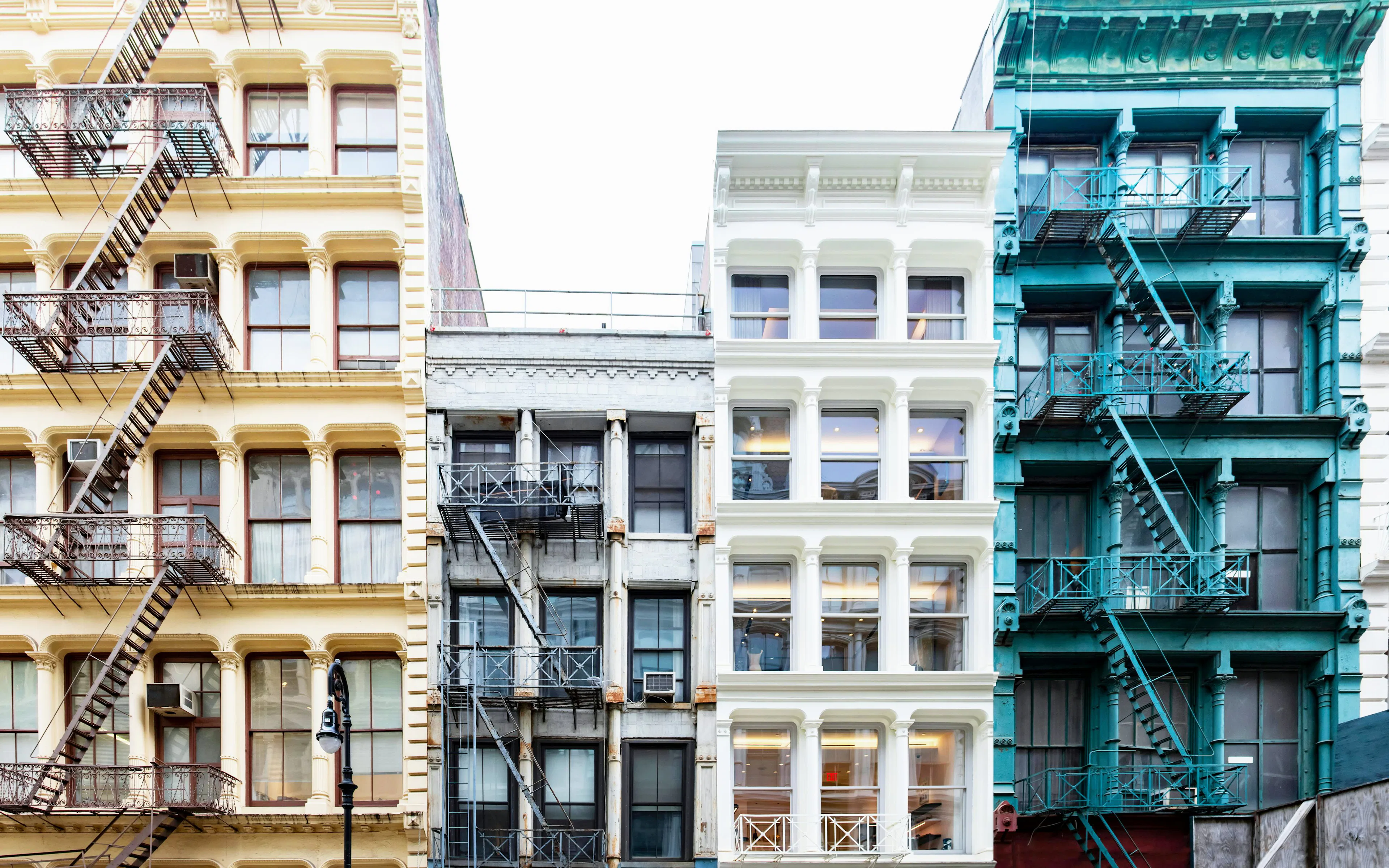
Cast-iron architecture survives block after block
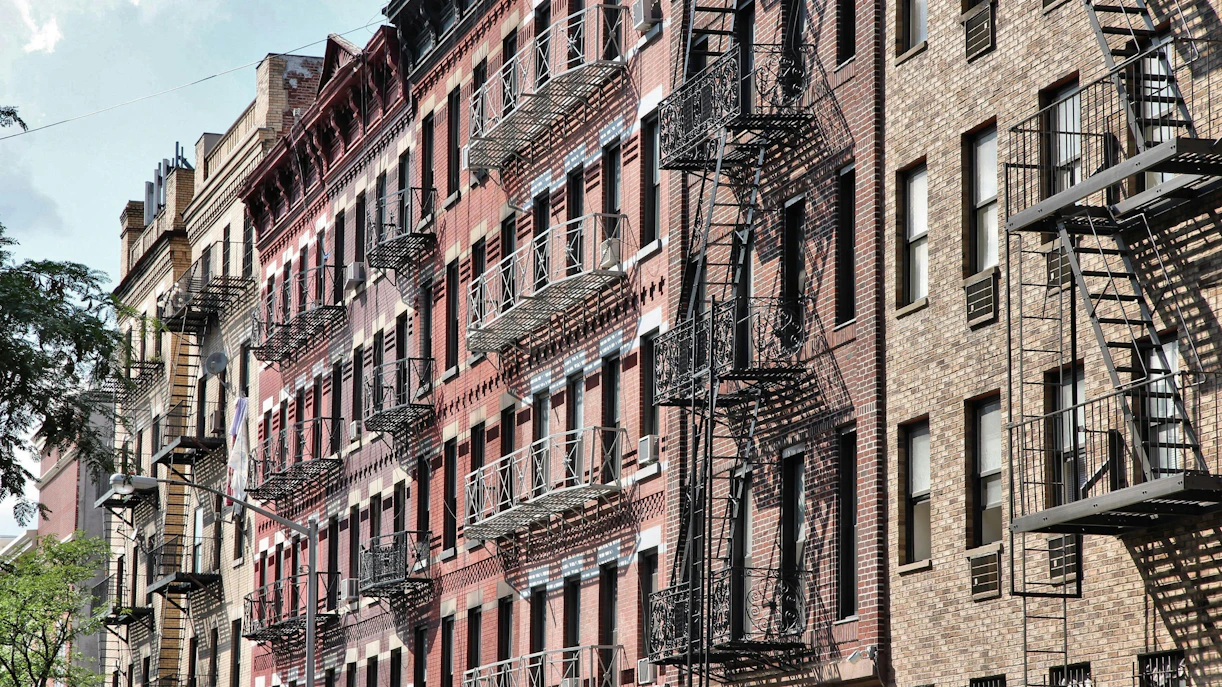
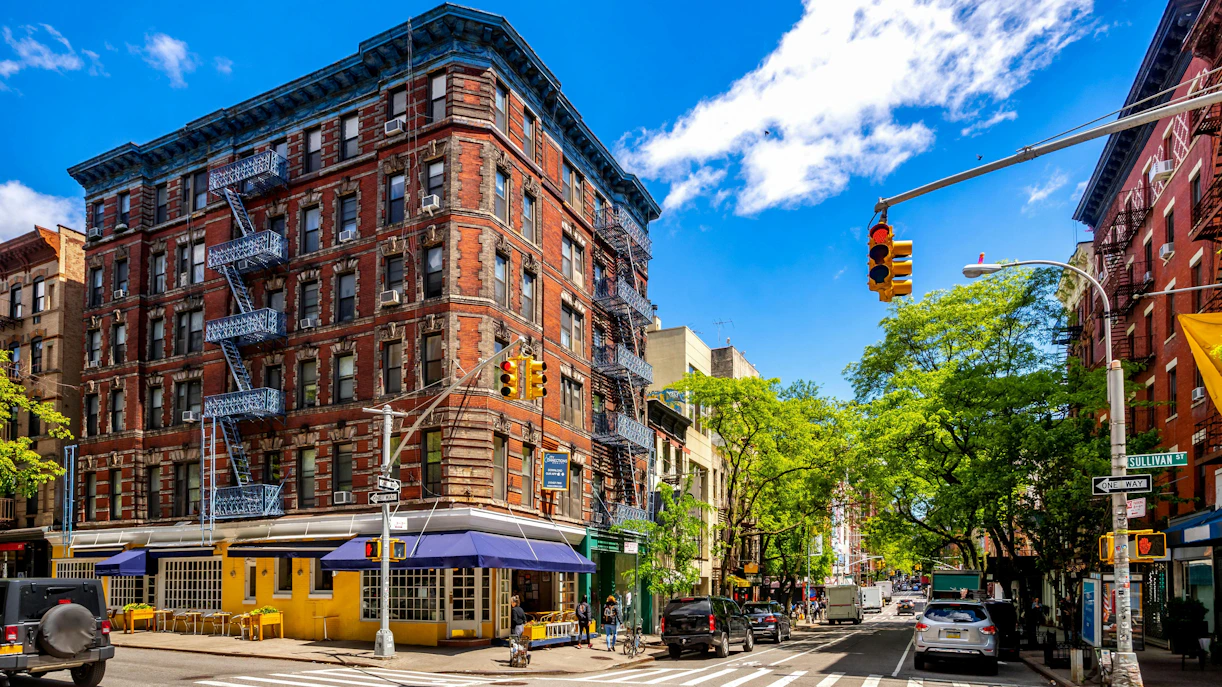
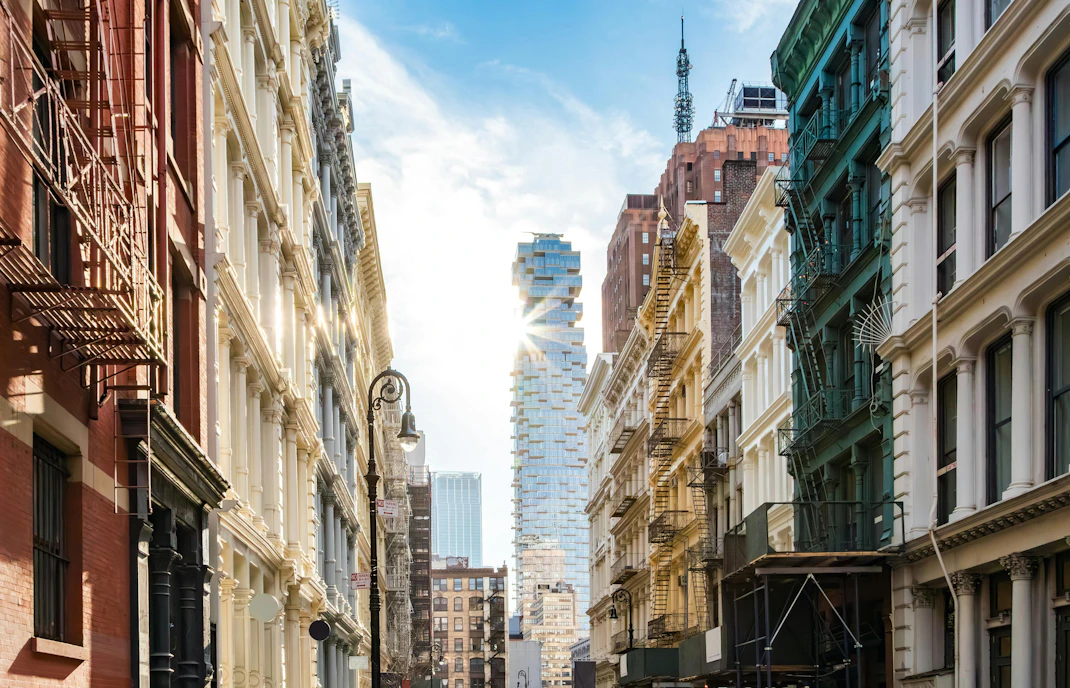
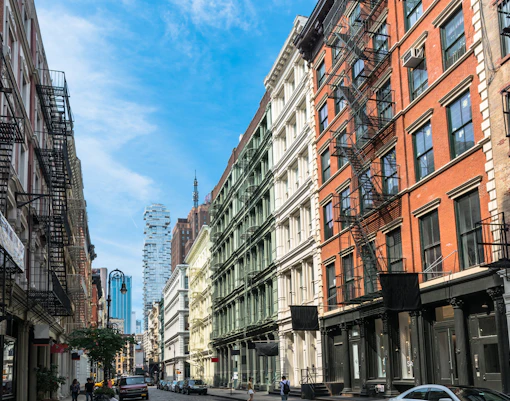
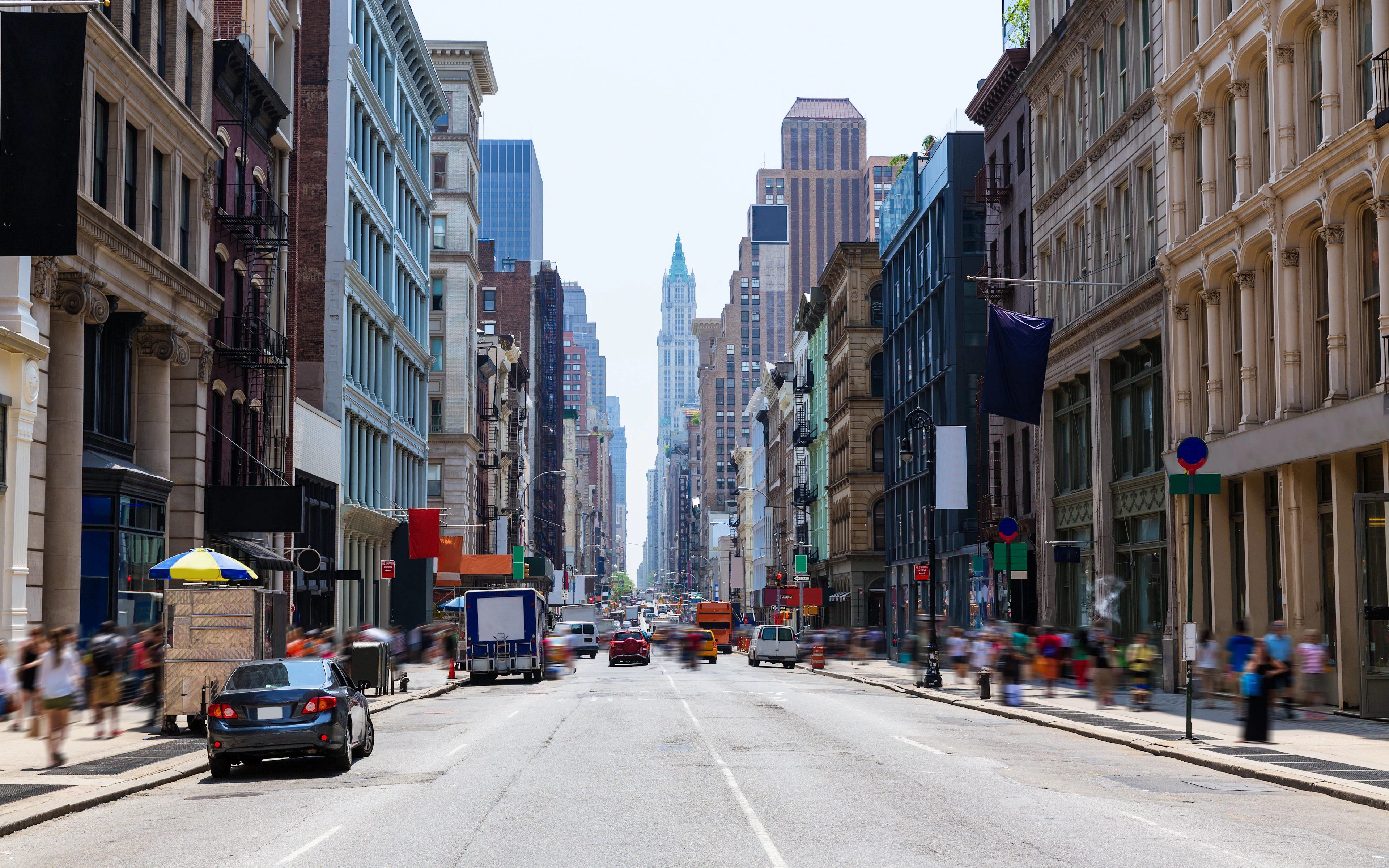
SoHo’s best streets still read like a 19th-century industrial district, especially on Greene Street, Mercer Street, and parts of Broome Street. The facades, loft windows, and fire escapes are the real reason many people come even if they think they’re visiting for shopping.
Broadway and Prince Street concentrate retail into a short walk
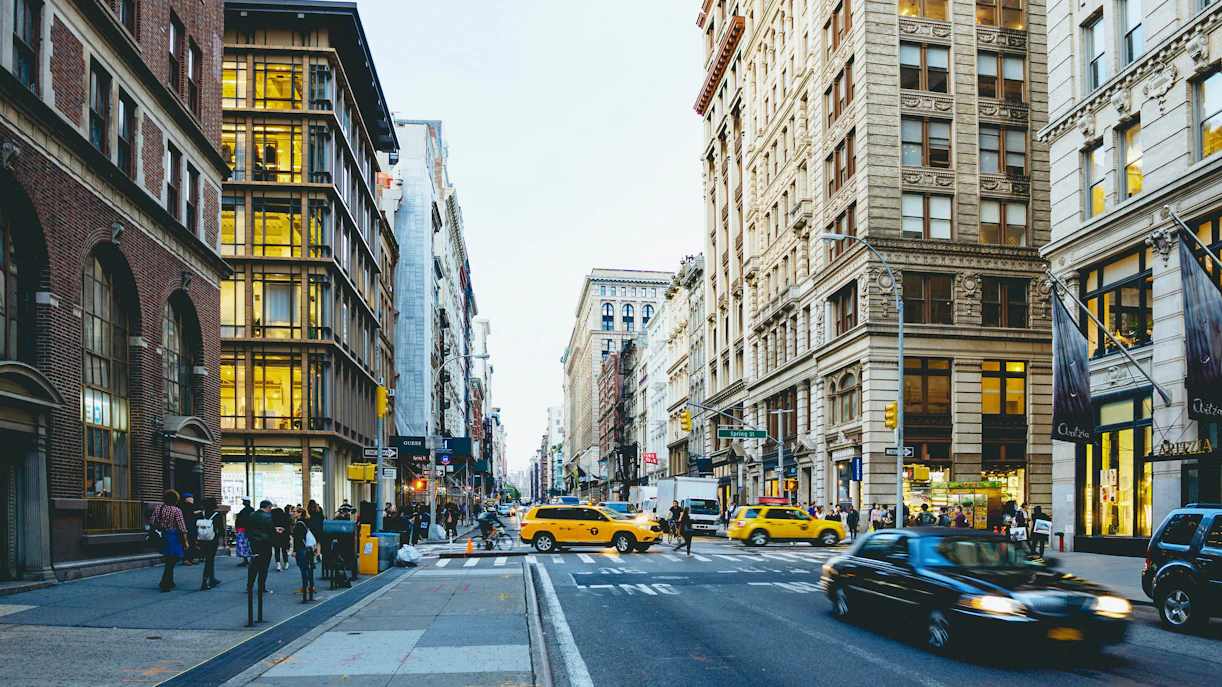
You can cover a large share of SoHo’s big-name stores without zigzagging all over Manhattan. Broadway, Spring Street, and Prince Street form an easy loop, which makes this one of the city’s simplest neighborhoods for a short, focused shopping visit.
Artists’ loft history still shapes the neighborhood
SoHo’s current polish sits on top of a different story: 20th-century industrial decline, artists moving into old loft buildings, and later landmark protection that preserved the cast-iron district. You still experience that history directly in the building stock, not just in a plaque.
It connects naturally to three other downtown neighborhoods
From the middle of SoHo, you can walk into Nolita, Chinatown, and Tribeca in under 15 minutes. That matters if you want one afternoon that mixes shopping, coffee stops, street food, and older Lower Manhattan streets without relying on the subway.
It works well even if you don’t want a full attraction day
SoHo is useful precisely because it doesn’t need a heavy ticketed itinerary. You can fill a visit with architecture, people-watching, cafés, the New York Earth Room, and side-street wandering, then add a nearby museum or observatory later.
Best ways to explore SoHo
- A walking tour works especially well here because SoHo’s appeal is concentrated in its streets rather than one headline monument.
- The strongest routes usually cover Greene Street, Wooster Street, Broadway, the cast-iron district, and the neighborhood’s artists-loft history.
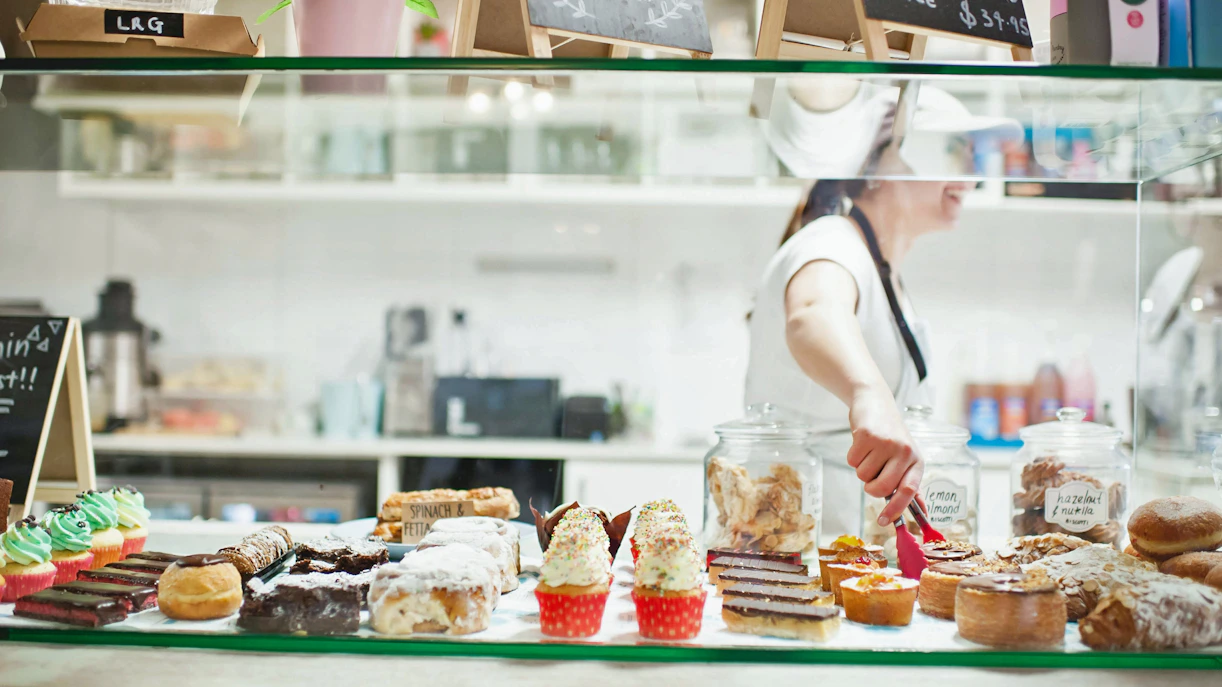
- Food-focused exploration makes more sense on SoHo’s edges than in the center of its luxury retail blocks.
- The best versions usually blend SoHo with Nolita and Little Italy, where the stops are closer together and more varied.
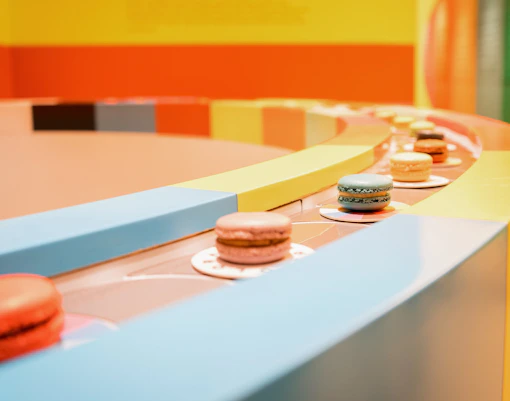
- The easiest combo inside the neighborhood is a SoHo architecture walk with either the Drawing Center or an immersive indoor stop like Museum of Ice Cream.
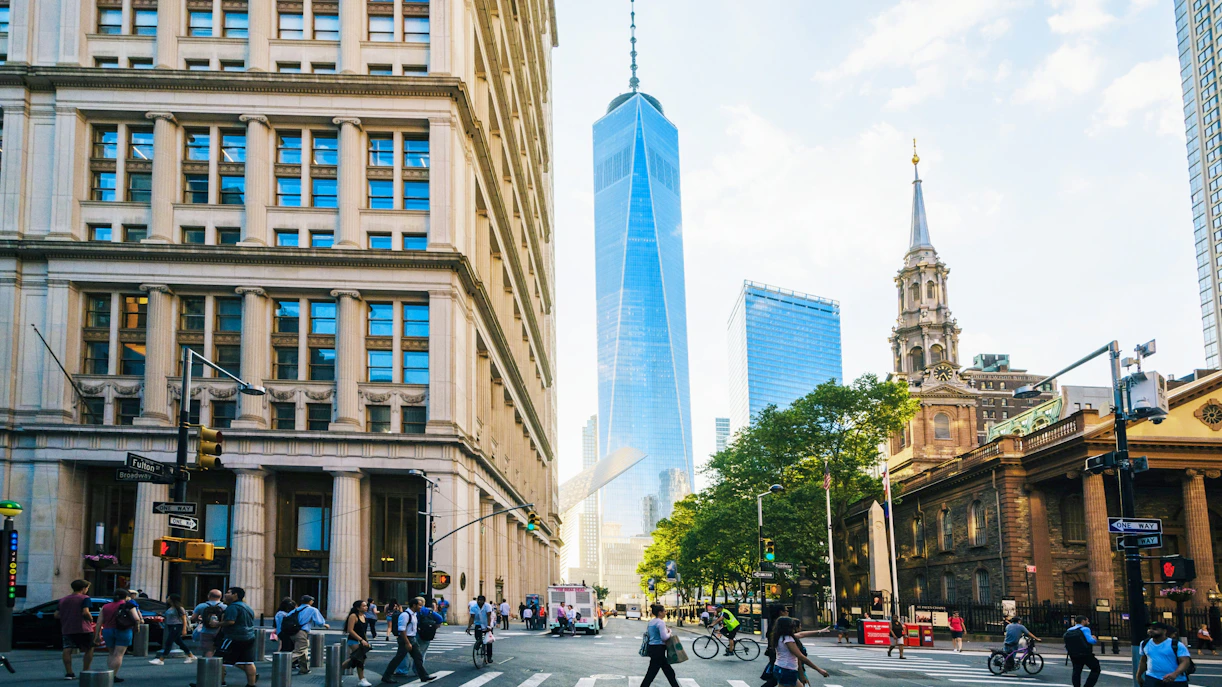
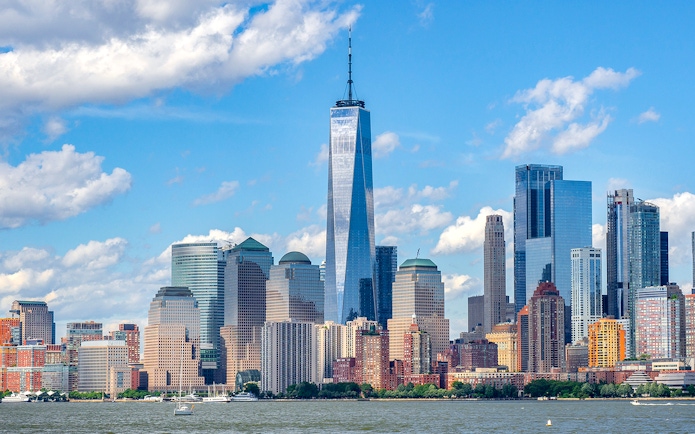
- If you want a broader downtown pairing, SoHo also combines cleanly with Mercer Labs, One World Observatory, or the 9/11 Memorial area by short subway ride or taxi.
- The New York Earth Room is the standout oddity here: a long-running installation that rewards curiosity more than planning.
- SoHo also has a strong case for self-guided exploration, because the main draw is the street fabric itself — cast iron, storefront design, cobbles, and side-street detail.
Plan your visit
Free things to do in SoHo
Suggested itinerary for visiting SoHo
SoHo works best as a simple grid walk rather than a strict attraction march. Most visits flow naturally from Prince Street and Broadway west toward Greene, Mercer, Wooster, and West Broadway, with Nolita and Tribeca as easy extensions.
Tips for visiting SoHo
- Hit Greene Street before Broadway. If you start at Broadway and Prince Street after 11am, you’ll spend more time dodging shoppers than noticing the buildings. Start west, then work back toward the retail core.
- Use Prince Street station for the shortest entry into central SoHo. If you want the neighborhood’s most recognizable blocks quickly, Prince Street gets you closer than wandering in from Canal Street.
- Don’t judge SoHo by Broadway alone. The main strip is useful for shopping, but the neighborhood makes more sense once you move onto Greene, Mercer, Wooster, and Crosby.
- For the cleanest cast-iron photos, stand on Greene Street near Broome and shoot north. You’ll get a longer run of façades and fewer modern signs crowding the frame.
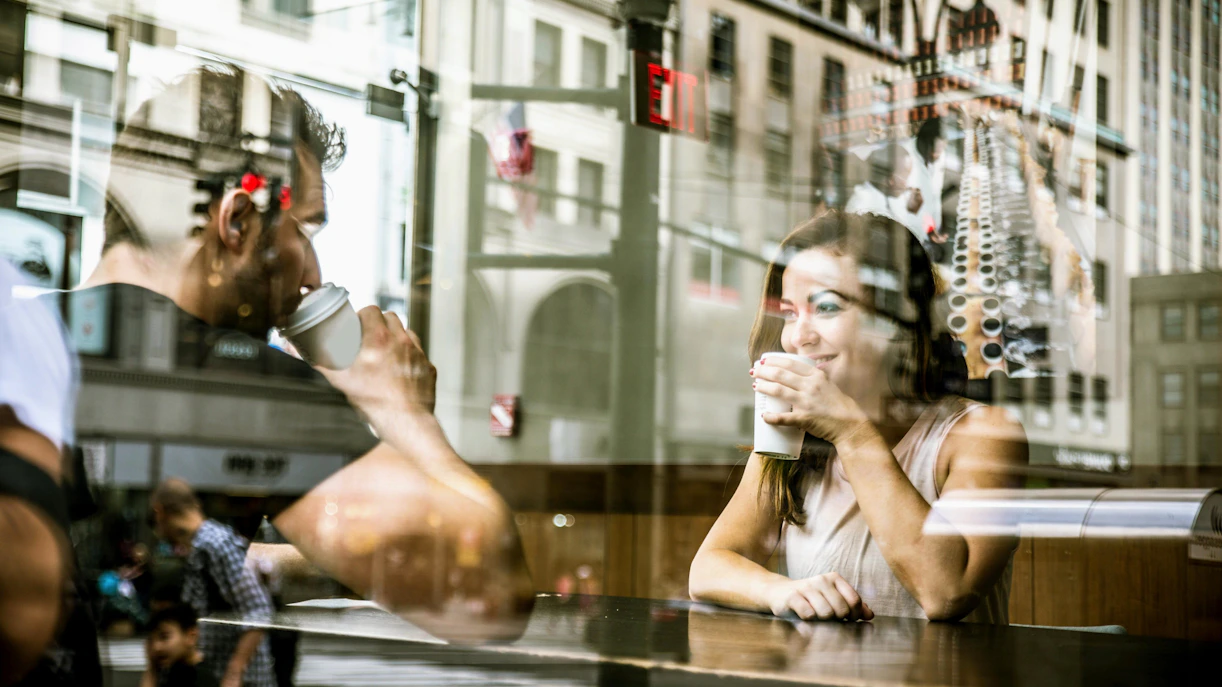
- If you want coffee without the worst foot traffic, go west of Broadway. Ground Support Café and nearby west-side blocks feel calmer than grabbing something on the main shopping corridor.
- Treat the New York Earth Room as a quick detour, not a destination-length stop. It’s worth seeing because it’s so unlike the street outside, but most visitors only need 15–20 minutes there.
- Weekend afternoons are the slowest time to shop efficiently. If you’re actually buying, go on a weekday or arrive early; if you’re only browsing, weekends are fine.
- SoHo connects well on foot to Nolita and Chinatown. If the neighborhood starts feeling too polished or crowded, walking east changes the food options and street rhythm within 10 minutes.
Best photo spots in SoHo
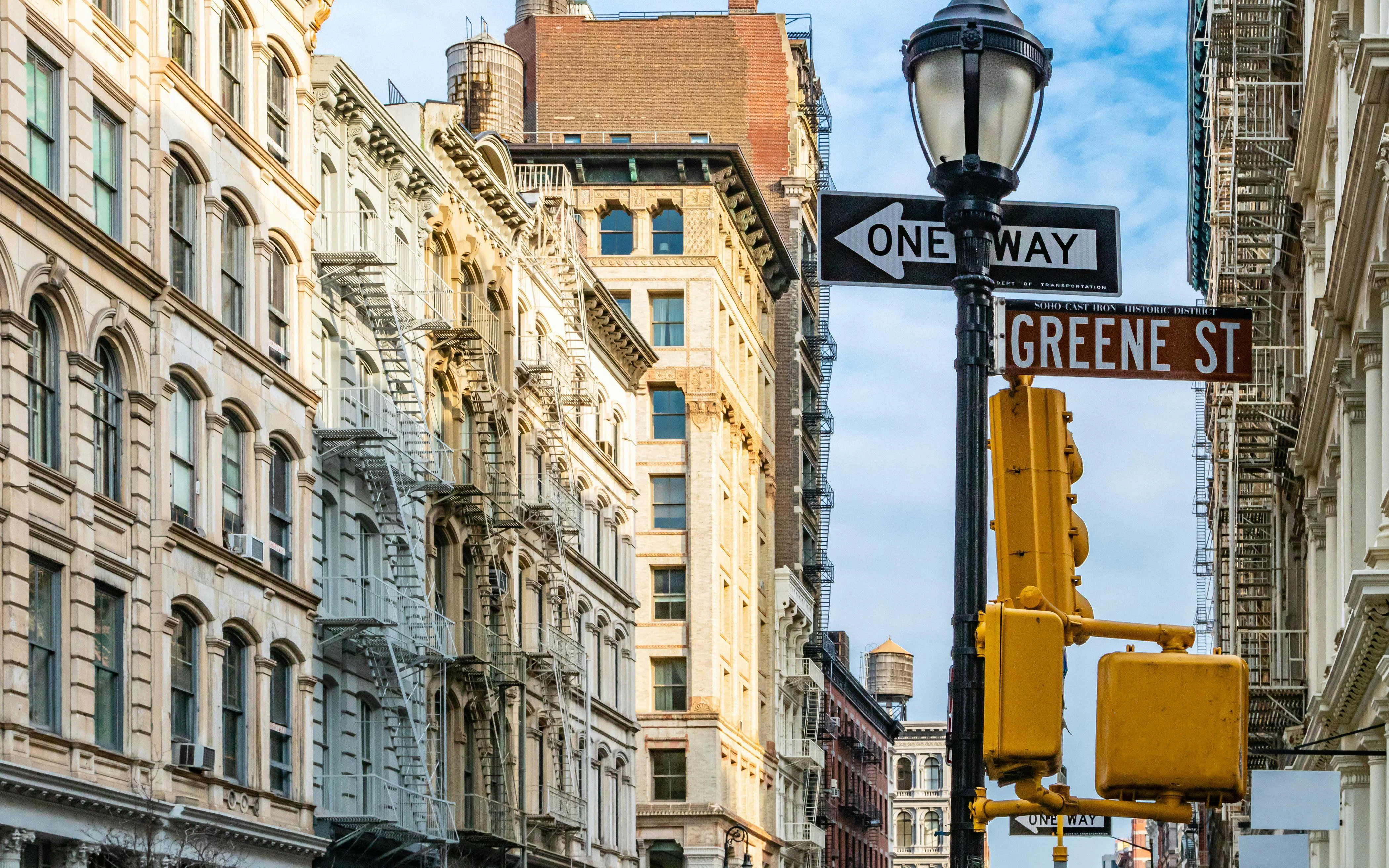
Greene Street north of Prince Street in early morning
Stand on the west sidewalk and face north so the cast-iron façades, loft windows, and cobbled street run in a clean line.
Dining in SoHo
Should you stay in SoHo?
Short answer: Yes, if you want a central downtown base and don’t mind paying for it. Less suited to budget trips, heavy sightseeing around Midtown, or travelers who want classic neighborhood nightlife right outside the hotel.
- The vibe: After the stores close, SoHo gets quieter than many first-timers expect. Broadway stays active longer, but blocks like Crosby, Mercer, and parts of Greene feel calmer and more residential-hotel than nightlife-heavy.
- The logistics: This is a boutique-hotel and upscale-short-stay neighborhood more than a budget-hotel zone. You’re paying for downtown location, design-forward rooms, and walkability, not cheap square footage.
- Who it’s for: Best for couples, shoppers, repeat visitors, and anyone who wants to walk to Nolita, Tribeca, and Chinatown. Less ideal for families on tighter budgets, Broadway-first itineraries, or travelers who want a classic hotel cluster with lots of chains nearby.
- Top recommendation: Book west of Broadway, around Mercer Street, Crosby Street, or lower Greene Street, where hotels tend to feel slightly calmer while keeping you close to the core blocks on foot.
Explore other neighborhoods in New York
Frequently asked questions about SoHo
SoHo stands for South of Houston Street. In New York, Houston is pronounced HOW-ston, not like the Texas city.
Yes. Shopping dominates the reputation, but the cast-iron architecture, the Drawing Center, the New York Earth Room, and the easy walk into Nolita or Tribeca make it worth at least a short visit even if you buy nothing.
You can do it cheaply if you keep it simple. A realistic half-day might look like $2.90 each way on the subway, $5–$8 for coffee, $15–$25 for a casual lunch, and $0 if you stick to free architecture walks and free art stops.
Weekdays are better if you care about space, browsing, and photos. Weekends are fine if you want peak street energy, but Broadway, Prince Street, and Spring Street get slower and more crowded.
Yes, easily. From the southern edge of SoHo, you can walk into Little Italy in about 8 minutes and Chinatown in about 10–12 minutes, which is why many downtown itineraries treat them as one larger afternoon route.
Yes, but they’re mostly shorter stops. Museum of Ice Cream, Color Factory, and the simple fun of browsing big stores make SoHo workable for families, though it’s better as a half-day than a full kid-focused day.
For popular sit-down spots, especially Balthazar, Raoul’s, and Sadelle’s, yes — reservations are smart for lunch and strongly recommended for dinner or weekend brunch. Casual cafés and bakeries are much easier to do on the fly.
It can be, especially if you want downtown Manhattan and like walking between neighborhoods. It’s less convenient than Midtown for Broadway-heavy plans, but much better if your trip centers on shopping, food, and Lower Manhattan.
The cleanest add-ons are Mercer Labs Museum of Art and Technology, 9/11 Memorial & Museum, and One World Observatory if you want to stay downtown. If you’d rather shift uptown after SoHo, MoMA is the strongest art-focused follow-up.
Not in the same way it is during the day. Restaurants and bars keep parts of it going, but once the retail crowds disappear, SoHo feels noticeably quieter than the daytime version most visitors expect.