Neighborhood at a glance

Why visit

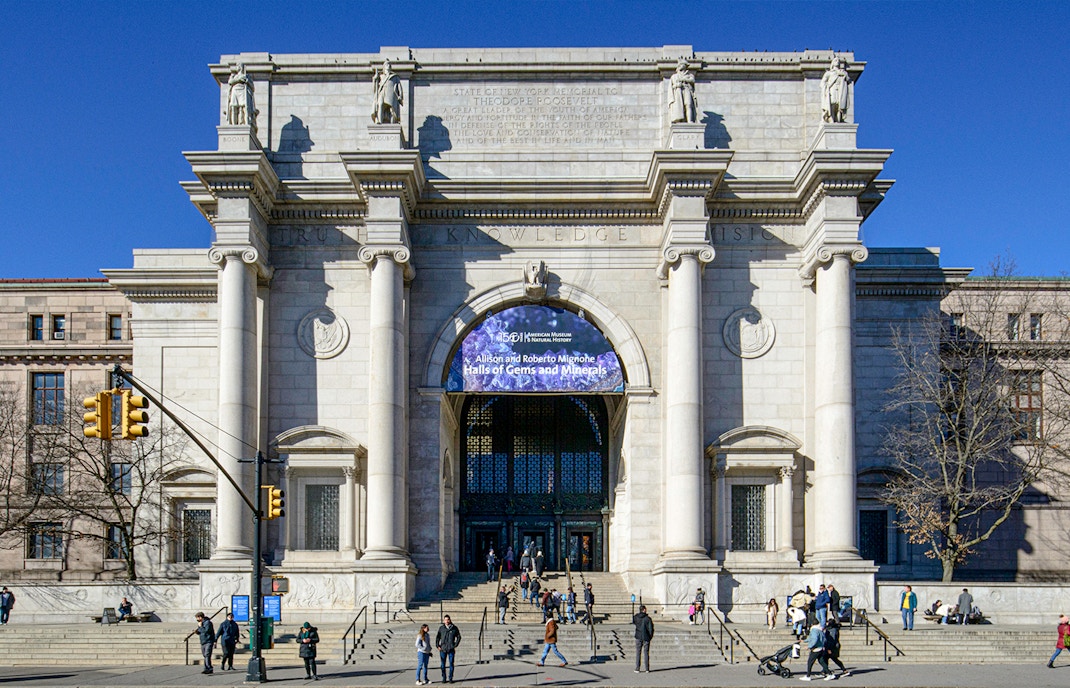
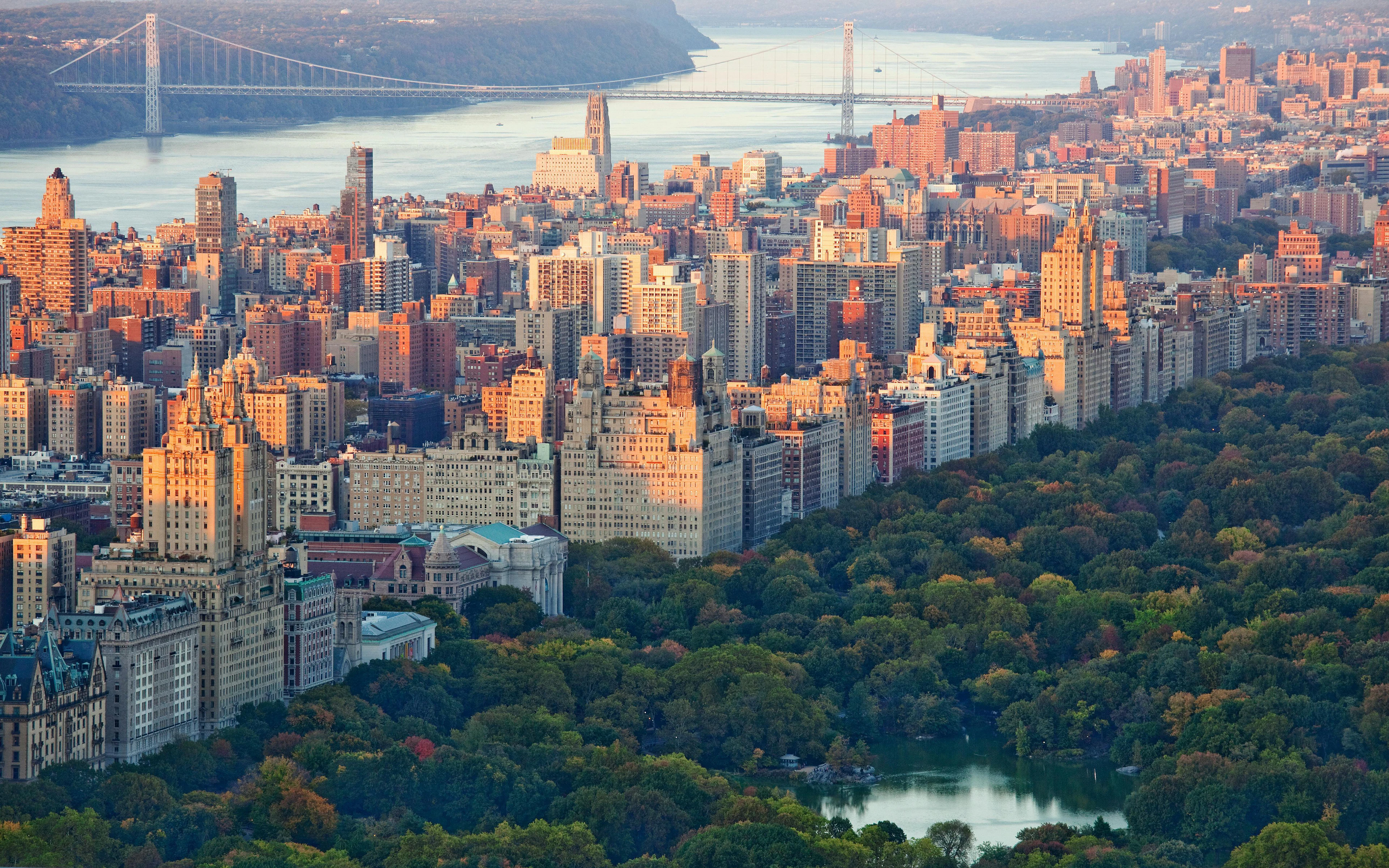
The American Museum of Natural History on Central Park West, one of the largest natural history museums on Earth, anchors a residential neighborhood that also borders Central Park, Riverside Park, and Lincoln Center.

  • Atmosphere: Residential, tree-lined, calm, intellectual.
  • Top things to do: Explore the American Museum of Natural History; walk the 6-mile Central Park loop; attend a performance at Lincoln Center; stroll the Hudson River Greenway from Riverside Park; browse Zabar's on Broadway.
  • Best for: Families, museum enthusiasts, walkers and cyclists, visitors seeking a quieter Manhattan base.
  • Time needed: 2–3 hours for the museum alone; half a day to include Central Park and the neighborhood; full day with Lincoln Center.
  • Best time to visit: Weekday mornings for AMNH with shorter crowds; weekend afternoons for Central Park energy; evenings for Lincoln Center performances.
  • Nearby: Central Park, Columbus Circle, Morningside Heights, Harlem, Riverside Park, Lincoln Center.

Top things to do in the Upper West Side

💡 Pro tip

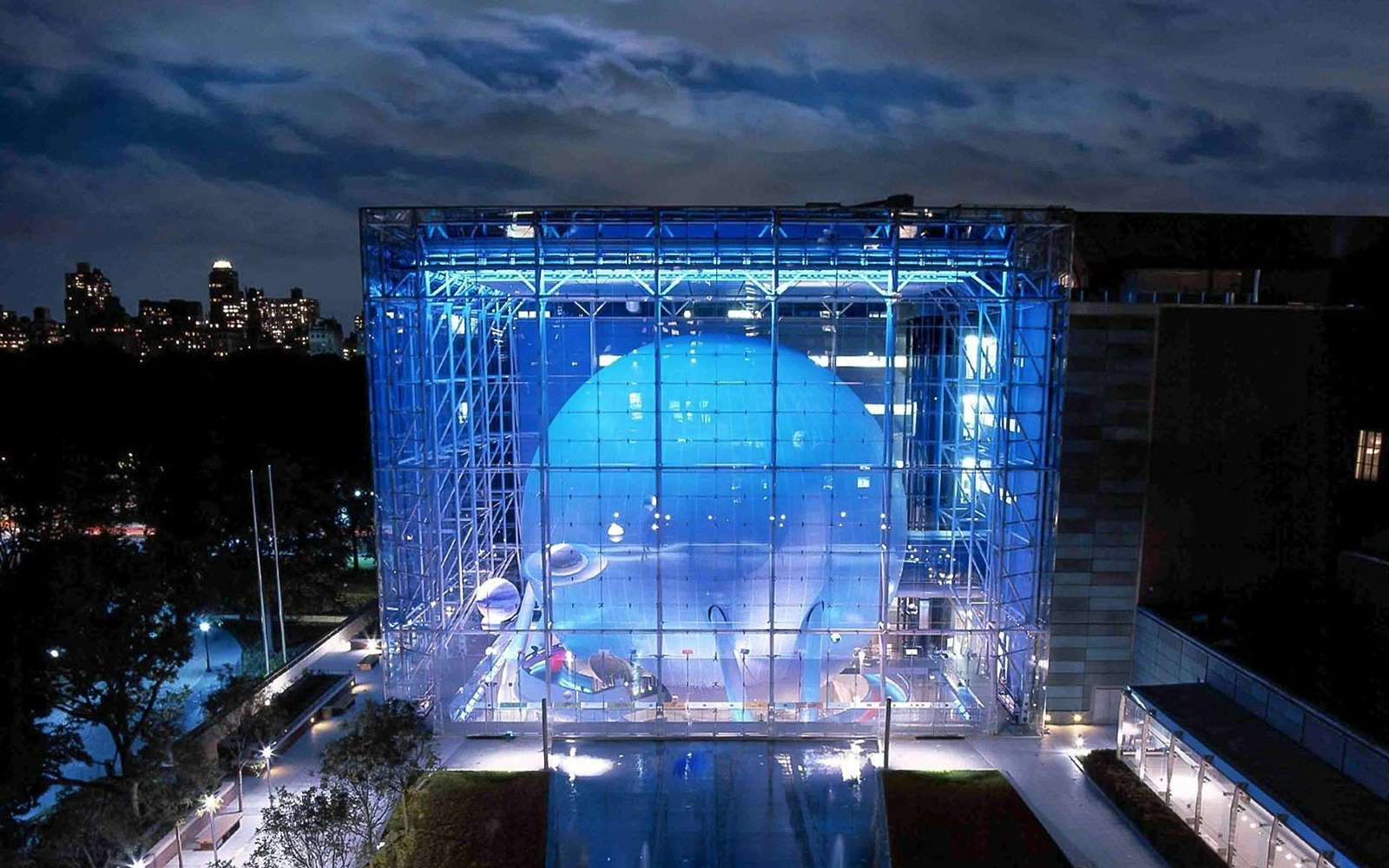
The AMNH's Hayden Planetarium Space Shows are ticketed separately from general admission and sell out in advance on weekends — book the planetarium ticket at the same time as your museum entry to avoid arriving and finding the show sold out.


Quick navigation

🏛️ Why visit   | 🎟️ Best ways to explore   |🧭 Plan your visit   | 🌟 Free things to do  | 📋 Itinerary   | 💡 Tips   | 🍴 Dining


Why visit the Upper West Side

Placeholder Image Headout Blimp
1/5

The American Museum of Natural History has 33 million specimens across 45 halls

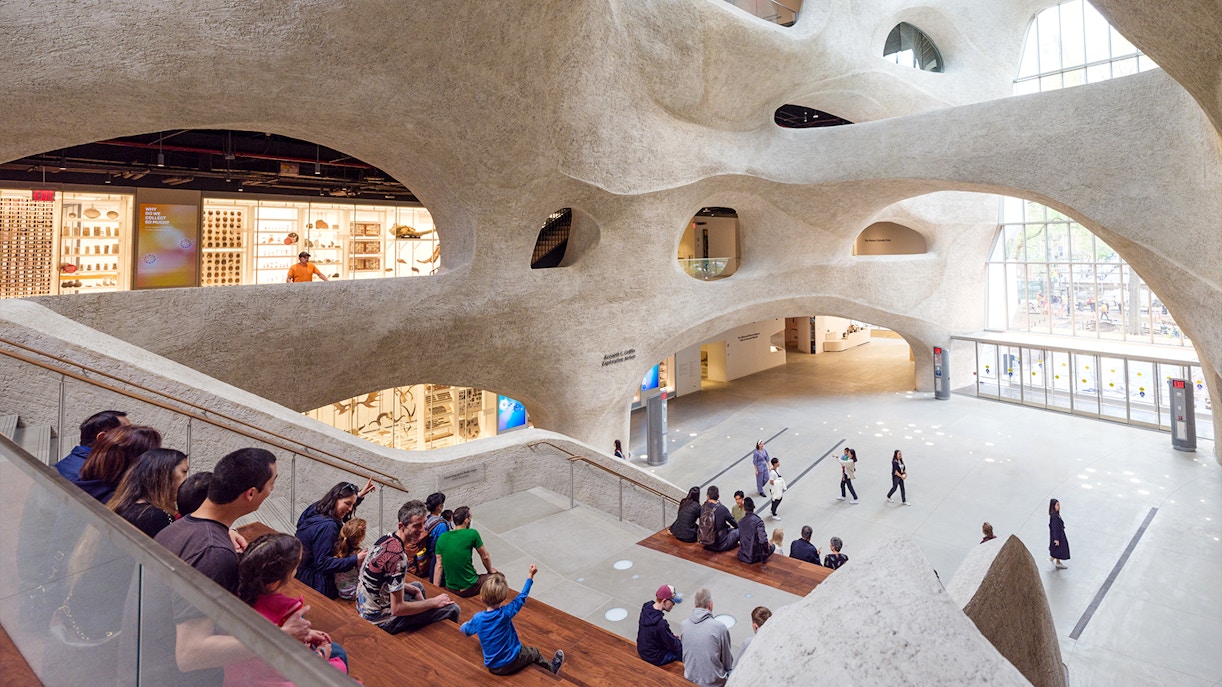
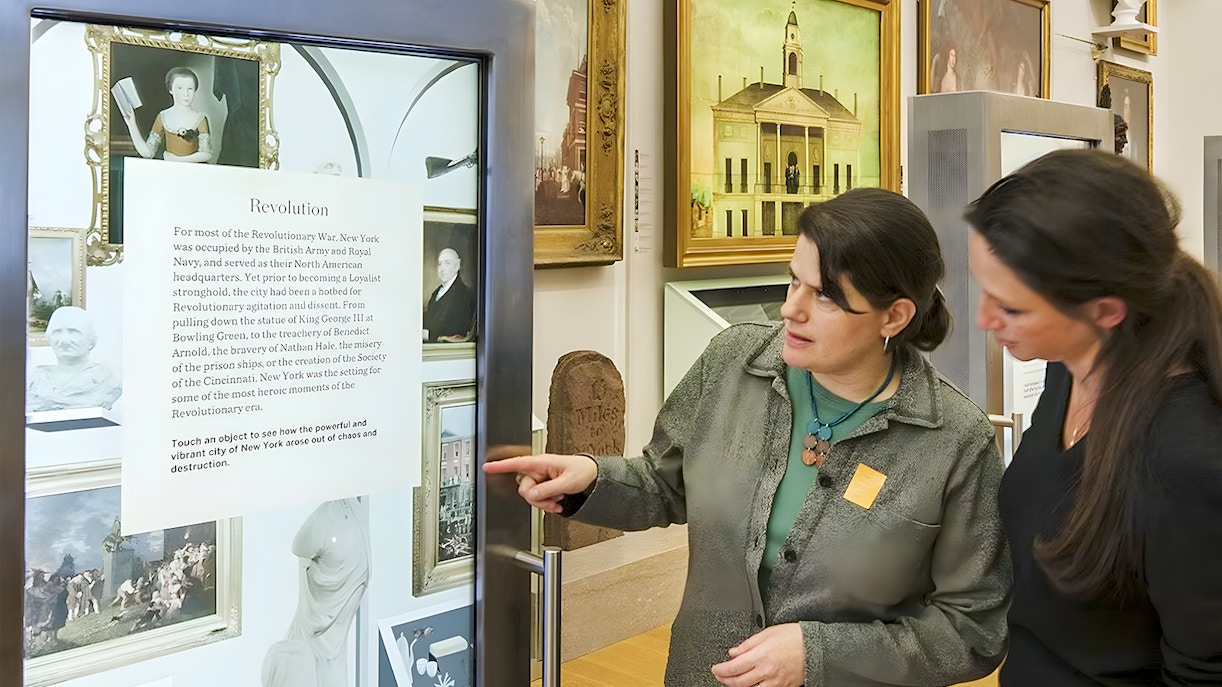
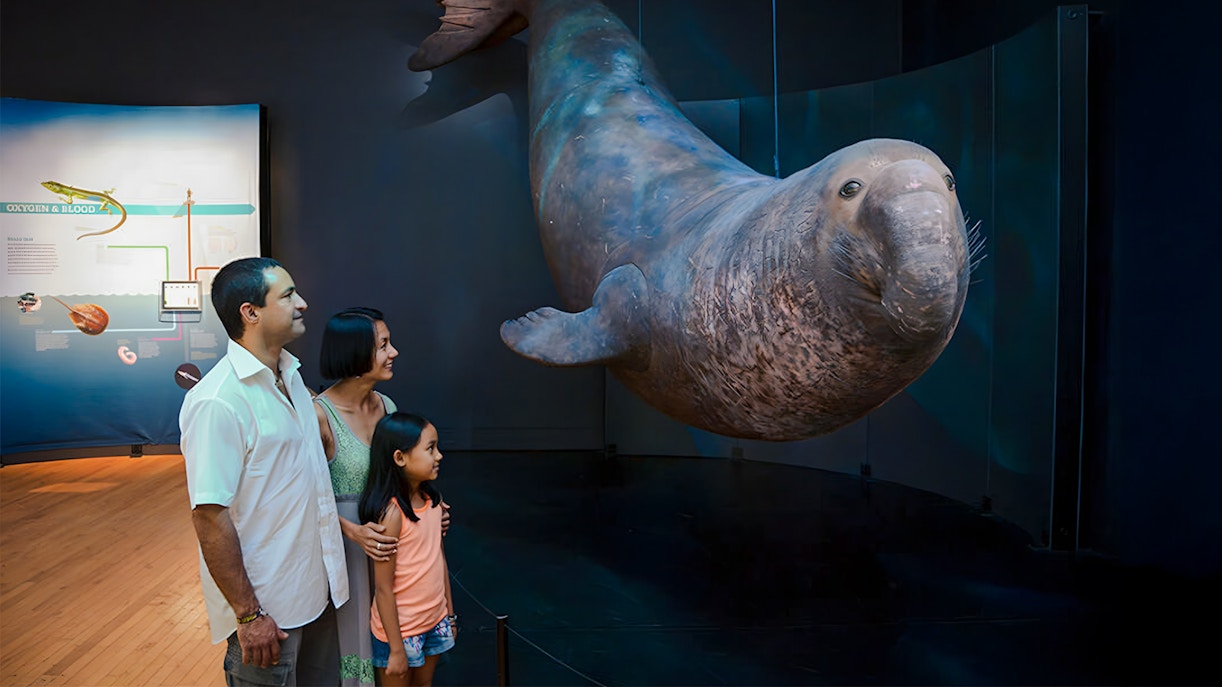
The AMNH is one of the largest natural history museums in the world by floor area — its 45 permanent exhibition halls are spread across four floors and cover paleontology, anthropology, astrophysics, oceanography, and mineralogy. The fourth-floor dinosaur halls hold the largest collection of real dinosaur fossils on public display anywhere, including a Tyrannosaurus rex and a Brachiosaurus that required ceiling modifications to fit. The Hayden Planetarium inside the Rose Center for Earth and Space runs ticketed Space Shows and has a separate Big Bang Theater. A visitor who covered one hall every 15 minutes would need over 11 hours to finish the museum.

Central Park's western edge runs the entire length of the neighborhood

Central Park's western boundary — Central Park West — runs from 59th Street to 110th Street along the full length of the Upper West Side, giving residents and visitors 50 blocks of park access. The Reservoir at 86th Street, the Great Lawn between 79th and 85th Streets, Strawberry Fields at 72nd Street (the memorial to John Lennon), and the Ramble — 36 acres of woodland with over 200 bird species — are all accessible from the western entrances. The 6-mile outer loop is the most used running and cycling path in Manhattan, and the cross-drives are closed to vehicle traffic on most weekends.

John Lennon lived and died at The Dakota in 1980

The Dakota — the 1884 Queen Anne-style apartment building at 1 West 72nd Street on Central Park West — is where John Lennon and Yoko Ono lived from 1973 until Lennon's death outside the building on December 8, 1980. Strawberry Fields, the 2.5-acre memorial garden directly across the street inside Central Park, was dedicated to Lennon's memory in 1985; the mosaic at its center reads "IMAGINE" and is maintained by Yoko Ono. The building itself remains a private residence but is visible from the street and is one of the most photographed facades in Manhattan.

Lincoln Center concentrates five of New York's major performing arts companies on one campus

Lincoln Center for the Performing Arts at 65th Street and Broadway opened in 1962 and now contains the Metropolitan Opera House, David Geffen Hall (New York Philharmonic), the David H. Koch Theater (New York City Ballet), Alice Tully Hall, the Vivian Beaumont Theater, and the Juilliard School — all on a single 16-acre campus. The outdoor Josie Robertson Plaza with its central fountain is free to access and hosts free outdoor performances in summer. The adjacent Lincoln Center Out of Doors festival runs for several weeks in August with free programming.

Riverside Park gives 4 miles of Hudson River frontage with almost no tourists

Riverside Park runs 4 miles along the Hudson River from 72nd Street to 155th Street, maintained by the city as a narrow green corridor between Riverside Drive and the water. The 79th Street Boat Basin marina, the Soldiers and Sailors Monument at 89th Street, and the long esplanade at the 91st Street Garden are all publicly accessible and largely unknown to first-time visitors. The park is almost entirely tourist-free outside of summer weekend afternoons, making it the most peaceful large outdoor space in the neighborhood — and one of the few places in Manhattan where you can stand at the water's edge.

Best ways to explore the Upper West Side

The stretch of Central Park West from 59th Street to 86th Street passes The Dakota, Strawberry Fields, and the AMNH entrance in under 30 minutes on foot. A self-guided architectural walk along Riverside Drive between 80th and 90th Streets reveals a nearly intact row of late 19th-century townhouses and pre-war apartment buildings largely absent from typical visitor itineraries.

💡 Book your Upper West Side experience

The American Museum of Natural History is the neighborhood's single major ticketed attraction — and with 45 halls, the difference between a standard entry and a ticket that includes special exhibitions can define whether your visit feels complete. Book AMNH tickets with all ticketed exhibitions for the most comprehensive access, or add just one targeted show to keep the visit focused.

Plan your visit

💡 Bundle with other NYC attractions

The American Museum of Natural History plus 1–3 Top NYC Attraction Tickets bundles AMNH entry with your choice of other major Manhattan sites — useful if the AMNH is one stop on a multi-day itinerary that includes other ticketed attractions across the city. Book AMNH plus top NYC attraction tickets.

Free things to do in the Upper West Side

Suggested itinerary for visiting the Upper West Side

The Upper West Side is a linear neighborhood running north–south; most visitor sites are clustered between 65th Street (Lincoln Center) and 81st Street (AMNH), a 16-block corridor that is walkable end-to-end in under 25 minutes. Central Park and Riverside Park bracket the neighborhood on east and west.

Tips for visiting the Upper West Side

  • The B and C subway trains stop at 81st Street–Museum of Natural History on Central Park West — this stop is directly across the street from the AMNH's park-side entrance and is faster than walking from the 79th Street 1/2/3 stop on Broadway (which requires a 6-minute walk west). Use the B or C on weekdays when they run; on weekends the B does not run, so take the C or use the 1 train at 79th Street.
  • The AMNH does not enforce a set closing time for individual halls — if you enter by 4pm you can stay until 5:45pm closing. The fourth-floor dinosaur halls thin out considerably after 3:30pm on weekdays when school visits end, making the final 90 minutes before closing the best time for unhurried viewing.
  • Zabar's at 2245 Broadway (80th Street) is one of the few remaining New York food institutions of its type: smoked salmon, prepared foods, coffee, and a cheese counter that has operated continuously since 1934. It is a working neighborhood store, not a tourist attraction — do not arrive expecting a café. The coffee counter at the back of the store serves one of the cheapest espressos in Manhattan.
  • Central Park's Reservoir running path at 86th Street is accessed via the east or west 86th Street transverse entrances. The full 1.58-mile loop is paved, flat, and open to walkers and runners; the view south from the north end of the Reservoir puts the Midtown skyline at the horizon above the treeline. This is the best free long-distance skyline view in the neighborhood.
  • Lincoln Center tickets for the Metropolitan Opera and New York Philharmonic should be booked 2–4 weeks in advance for popular productions; the last-minute rush queue (for partial-view or standing tickets at the Met) forms 2 hours before curtain and is not guaranteed. Check the Lincoln Center calendar before planning your day — free outdoor SummerStage performances in Central Park and Lincoln Center Out of Doors programming run June–August [VERIFY current season schedule].
  • The New York Historical Society is free on Friday evenings from 6–8pm [VERIFY current free admission schedule]. If visiting during that window, pair it with a walk to Lincoln Center afterward, which is a 12-minute walk south on Central Park West.
  • Do not eat at the restaurants in the immediate block around the AMNH's Columbus Avenue entrance (77th–81st Streets on Columbus) — pricing is inflated for museum visitors. Walk one block west to Amsterdam Avenue or two blocks east to Broadway for the same food at neighborhood prices.
  • The park loop road (West Drive) is closed to vehicles during "car-free hours" — typically 7–10am and 3–7pm on weekdays, and all day on weekends [VERIFY current schedule]. During car-free hours, walkers can use the road itself rather than the narrower footpaths.

Best photo spots in the Upper West Side

Placeholder Image Headout Blimp

Bethesda Fountain from the Terrace steps, afternoon

Stand at the top of the Terrace stairs (the 72nd Street transverse approach from the west) and face north toward the fountain. The fountain's Angel of the Waters sculpture rises above the basin with the Ramble tree cover behind it. Shoot in mid-to-late afternoon when the sun is behind you and falls directly on the fountain's north face; overcast conditions eliminate harsh shadows on the Angel sculpture.

Placeholder Image Headout Blimp

Dining in the Upper West Side

💡 A Upper West Side food note

Barney Greengrass at 86th Street and Amsterdam Avenue has served smoked fish since 1908 and is one of the last remaining New York Jewish appetizing stores of its kind. Arrive before 10am on weekends to eat without a wait; the smoked sturgeon with scrambled eggs is the dish the restaurant is known for.

Should you stay in the Upper West Side?

Short answer: Yes, for visitors who want a quieter, more residential base with easy Central Park access and fast subway connections to Midtown. Less suited to visitors whose itinerary is concentrated below 42nd Street.

  • The vibe: After 9pm, the Upper West Side is genuinely quiet. Amsterdam and Columbus Avenues have neighborhood restaurants open late, but foot traffic thins quickly after 10pm. The streets between Broadway and Central Park West — particularly in the 70s and 80s — are tree-lined townhouse blocks that feel residential even during the day. This is a meaningful contrast to Midtown and a major asset for visitors who want to sleep.
  • The logistics: Hotel density is lower than Midtown; the area has a mix of smaller boutique hotels and apartment-style rentals, with fewer large chain properties. The Lucerne Hotel at 79th and Amsterdam and the Hotel Belleclaire at 77th and Broadway are the best-known dedicated hotels in the core neighborhood. Prices are generally 15–30% lower than comparable Midtown properties [VERIFY current rate comparison]. Airbnb and short-term apartment rentals are common in the pre-war buildings along West End Avenue and Riverside Drive.
  • Who it's for: Families visiting the AMNH or Columbia University; visitors planning to spend significant time in Central Park; those attending multiple Lincoln Center events; repeat NYC visitors who already know Midtown. Not suited to visitors whose sightseeing is concentrated in Lower Manhattan, Brooklyn, or the East Side, as subway trips of 20–40 minutes each way add up quickly.
  • Top recommendation: Book on the side streets between Amsterdam and Columbus Avenues in the 70s (73rd–78th Streets) for the best combination of quiet, access to Zabar's and the 72nd Street subway, and a walkable distance from both the AMNH and Central Park's west side entrances. Avoid Broadway-facing rooms if street noise is a concern — Broadway carries bus and taxi traffic through the night.

Explore other neighborhoods

FAQs for the Upper West Side

The standard suggested admission is $28 for adults, $22.50 for seniors (60+), and $16 for children (2–12) [VERIFY current pricing — AMNH uses a "suggested" admission model where payment is technically voluntary but de facto expected]. The Hayden Planetarium Space Show is an additional $14–$17 depending on age and must be booked separately. Special exhibitions carry their own separate ticketing on top of general admission.