Plan your visit to Central Park Zoo

Central Park Zoo is a compact Manhattan zoo best known for its sea lions, penguins, snow leopards, and kid-friendly scale. You can cover the highlights in about 1–2 hours, but the visit feels busier than the size suggests because the central sea lion pool, penguin house, and Children’s Zoo pull everyone into the same few spaces. The biggest difference between a smooth visit and a crowded one is when you time the feeding windows. This guide covers arrival, tickets, route planning, and what to prioritize.

If you want a quick animal-focused stop in Manhattan that still feels worthwhile, this is one of the easier attractions to fit into a busy New York day.

  • When to visit: Monday–Sunday, generally 10am–5pm. Weekday mornings from 10am–11am are noticeably calmer than 11:30am–2pm on weekends, because sea lion feedings and the compact penguin house create crowd bottlenecks fast.
  • Getting in: From $15.95 for standard entry. Total Experience tickets with the 4-D Theater start from $22.95. Advance booking matters most for sunny weekends, school breaks, and holiday weeks, but quieter weekdays are usually more forgiving.
  • How long to allow: 1–2 hours for most visitors. It stretches toward the longer end if you wait for feedings, spend time in the Children’s Zoo, or add the 4-D Theater.
  • What most people miss: The Tropic Zone rewards slow looking, and the Delacorte Clock at the entrance is easy to rush past on the way in.
  • Is a guide worth it? Usually no, because the zoo is small and easy to self-navigate, but a private guide or keeper-led experience adds value if you want more conservation context than exhibit signs provide.

🎟️ Weekend entry slots for Central Park Zoo can sell out 1–2 days in advance during spring break, holiday weeks, and sunny summer weekends. Lock in your visit before the time you want is gone. → See ticket options

Jump to what you need

🕒 Where and when to go

Hours, directions, entrances and the best time to arrive

🗓️ How much time do you need?

Visit lengths, suggested routes and how to plan around your time

🎟️ Which ticket is right for you?

Compare all entry options, tours and special experiences

🗺️ Getting around

How the zoo is laid out and the route that makes most sense

🐧 Which animals to prioritize

Sea lions, penguins, and snow leopards

♿ Facilities and accessibility

Restrooms, lockers, accessibility details and family services

Where and when to go

How do you get to Central Park Zoo?

Central Park Zoo sits at the southeast corner of Central Park on Manhattan’s Upper East Side, a short walk from Fifth Avenue/59th Street and about 10–15 minutes from Midtown on foot.

East 64th Street and Fifth Avenue, New York, NY 10021, United States

→ Open in Google Maps (Google Maps: ‘Central Park Zoo’)

  • Subway: 5 Av/59 St (N, R, W) → 5-min walk → Best option if you’re already in Midtown or near Times Square.
  • Subway: Lexington Av/63 St (F, Q) → 8-min walk → Useful if you’re coming from the Upper East Side or Queens.
  • Bus: M1, M2, M3, M4 along Fifth Avenue → short walk from 64th Street → Good if you want the simplest street-level drop-off.
  • Taxi / rideshare: Drop-off at East 64th Street and Fifth Avenue → 1–2 min walk → Easiest with children or if you’re coming from farther downtown.

→ Full getting there guide

Which entrance should you use?

There is one main public entrance at East 64th Street and Fifth Avenue, but the real slowdown is whether you arrive with a ticket already loaded on your phone or need to buy one first.

  • Pre-booked tickets: For visitors with dated mobile tickets. Expect 5–10 min wait during busy late mornings.
  • On-site purchase: For same-day buyers at the ticket window. Expect 10–20 min wait on weekends, spring break, and holiday weeks.

→ Full entrances guide

When is Central Park Zoo open?

  • Monday–Sunday: 10am–5pm
  • Last entry: 4:30pm

When is it busiest? Weekends, school holidays, and sunny days from 11:30am–2pm are the tightest, because sea lion feedings, the penguin house, and the Children’s Zoo all peak at once.

When should you actually go? Aim for 10am on a weekday if you want the quietest paths, the best chance of active cold-weather animals, and room to see the penguins before the indoor crowd builds.

How much time do you need?

Ticket typeWhat's includedBest forPrice range

General Admission

Main zoo entry + Tisch Children’s Zoo

A short Manhattan stop where you want the core animal exhibits without adding extra time or cost

From $15.95

Total Experience

Main zoo entry + Tisch Children’s Zoo + one 4-D Theater admission

A compact visit that would feel too short unless you add one more family-friendly activity indoors

From $22.95

WCS Membership

Unlimited Central Park Zoo entry + access to other WCS zoos and the New York Aquarium

More than one zoo or aquarium visit in a year, where buying single dated tickets each time becomes the expensive option

From $105

Go City or Explorer Pass option

Central Park Zoo entry through a multi-attraction pass

A New York itinerary built around several paid sights where the zoo works best as one stop among many

From pass price

Which Central Park Zoo ticket is best for you

Ticket typeWhat's includedBest forPrice range

General Admission

Main zoo entry + Tisch Children’s Zoo

A short Manhattan stop where you want the core animal exhibits without adding extra time or cost

From $15.95

Total Experience

Main zoo entry + Tisch Children’s Zoo + one 4-D Theater admission

A compact visit that would feel too short unless you add one more family-friendly activity indoors

From $22.95

WCS Membership

Unlimited Central Park Zoo entry + access to other WCS zoos and the New York Aquarium

More than one zoo or aquarium visit in a year, where buying single dated tickets each time becomes the expensive option

From $105

Go City or Explorer Pass option

Central Park Zoo entry through a multi-attraction pass

A New York itinerary built around several paid sights where the zoo works best as one stop among many

From pass price

How do you get around Central Park Zoo?

Central Park Zoo is laid out as a compact, zone-based loop with 3 main habitat areas plus the children’s zoo, so you can cover the highlights in about 1 hour and the full visit in about 2. Crowd flow matters most around the sea lion pool, where people naturally stop first and then create a knock-on bottleneck at the penguins.

Zoo layout

Central Park Zoo is split into 4 easy-to-follow zones, and most visitors need 60–90 minutes for highlights or about 2 hours for a full visit with feedings and the Children’s Zoo.
A smart crowd-flow move is to skip the sea lion pool first if a feeding is about to start, because the whole middle of the zoo clogs up during those show windows.

  • Tropic Zone: Indoor rainforest with free-flying birds, reptiles, primates, and sloths → budget 15–20 min.
  • Temperate Territory: Snow leopards, red pandas, snow monkeys, and grizzly bears → budget 20–30 min.
  • Polar Circle: Penguin house and cold-climate exhibits → budget 15–20 min.
  • Tisch Children’s Zoo: Goats, sheep, alpacas, a cow, and hands-on family spaces → budget 20–30 min.

Suggested route: Start with the Tropic Zone or snow leopards, then loop to bears and penguins, and leave the sea lion pool for a feeding window so you’re not doubling back through the busiest central area.

Maps and navigation tools

  • Map: The official zoo map covers the main zoo, the Children’s Zoo, restrooms, and the 4-D Theater → download it before arrival or pick one up at the gate.
  • Signage: Wayfinding is good because the zoo is compact, but the indoor buildings and Children’s Zoo can still make you miss a section if you move too quickly.
  • Audio guide / app: There isn’t a full in-zoo audioguide experience, so exhibit signs and keeper talks do most of the explaining.

💡 Pro tip: Do one full loop before repeating a favorite exhibit — the zoo is small enough that backtracking feels harmless, but it quietly eats the time you thought you had for feedings or the Children’s Zoo.
Get the Central Park Zoo map / audio guide

Which animals and habitats should you prioritize?

Sea Lion Pool at Central Park Zoo
Penguin House at Central Park Zoo
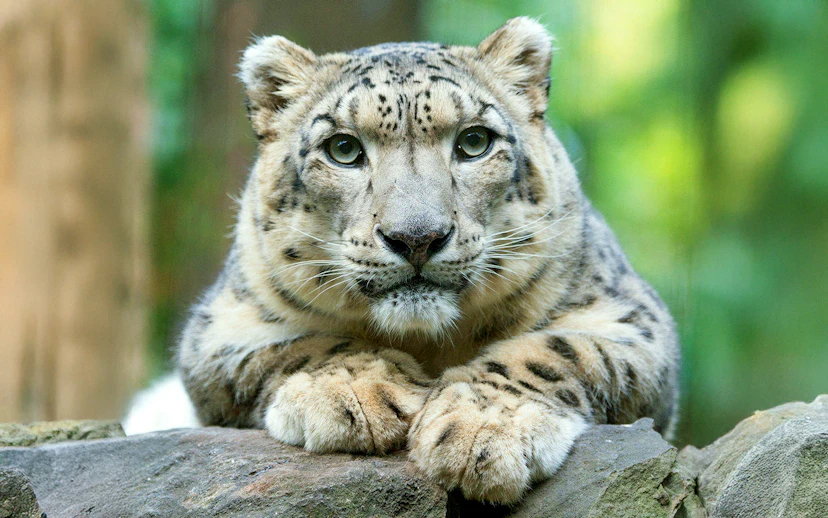
Snow leopard habitat at Central Park Zoo
Grizzly bear habitat at Central Park Zoo
Tropic Zone rainforest at Central Park Zoo
Tisch Children’s Zoo at Central Park Zoo
1/6

Sea Lion Pool

Species: California sea lions

This is the zoo’s social center and the one exhibit that shapes crowd movement across the whole visit. The fun is not just the feeding show — it’s also watching the sea lions glide underwater between sessions, which many people rush past once the crowd disperses.

Where to find it: In the middle of the main zoo, surrounded by the central viewing terraces.

Penguin House

Species: Gentoo, King, Chinstrap, and Macaroni penguins

The Polar Circle exhibit feels far more immersive than people expect from a small city zoo, especially when penguins dart right past the glass at eye level. Most visitors focus on the largest penguins first, but the smaller birds and the cold-room atmosphere are what make this stop memorable.

Where to find it: Inside the Polar Circle building in the main zoo.

Snow leopard habitat

Species: Snow leopard

This is one of the zoo’s most rewarding stops when the cat is visible, but it’s also the easiest one to miss if you rush or only glance at the obvious ledges. Look carefully at the full rock face — the camouflage works, and the best view is often from a quieter angle after the first crowd gives up.

Where to find it: In Temperate Territory, along the rocky hillside enclosure.

Grizzly bear habitat

Species: Grizzly bear

The bears are an unexpected New York highlight, especially because the enclosure lets you see both their scale and their quieter behaviors. Most people wait for movement near the waterfall, but it’s worth scanning the shaded edges too, where they often settle on warmer afternoons.

Where to find it: In Temperate Territory, near the upper overlook paths.

Tropic Zone rainforest

Habitat type: Indoor tropical ecosystem

This is where the zoo feels biggest, because you’re inside the environment instead of just looking into it. Visitors often hurry through because it seems like a walkway, but the reward comes from slowing down, looking up, and noticing birds, reptiles, and small mammals hidden in the foliage.

Where to find it: Inside the large indoor Tropic Zone building near the start of the main zoo route.

Tisch Children’s Zoo

Species: Goats, sheep, alpacas, and domestic animals

This area is not just for toddlers — it’s one of the few places in Manhattan where children can interact with animals instead of only watching them. Most adults treat it as a quick add-on, but the feed dispensers and climbing elements are what turn the visit from a zoo walk into a proper family outing.

Where to find it: Adjacent to the main zoo, through the separate Children’s Zoo entrance area.

Facilities and accessibility

  • 🎟️ Tickets: Dated mobile tickets are the easiest option because they let you bypass the ticket booth and head straight to the entrance scan.
  • 🍽️ Snack options: Food on-site is limited to a seasonal snack cart and vending machines, so this works better for a quick stop than a full lunch.
  • 🛍️ Gift shop: The main gift shop sits near the exit and is the best place to pick up plush penguins, red pandas, and other zoo-themed souvenirs at the end.
  • 🪑 Seating: The easiest places to sit are around the sea lion pool and near the snack areas, though they fill quickly during peak times.
  • 🅿️ Parking: There is no on-site parking, and nearby Manhattan garages are expensive, so public transit or a taxi is usually the easier choice.
  • Mobility: Most zoo paths are paved and wheelchair-friendly, the Tropic Zone has elevator access, and approaching from Fifth Avenue is the flattest route.
  • 👁️ Visual impairments: Service animals are permitted, and the compact layout makes staff assistance easier to use than at a much larger zoo.
  • 🧠 Cognitive and sensory needs: The quietest low-stimulation window is usually right at opening on weekdays, while the sea lion feedings and penguin house are the loudest, most crowded points.
  • 👨‍👩‍👧 Families and strollers: Strollers work well on the outdoor paths, but some indoor spaces are tight enough that you may be asked to park them outside before entering.

Central Park Zoo works especially well for toddlers and elementary-age children because the visit is short, visual, and broken up by hands-on moments rather than long walks.

  • 🕐 Time: 1.5–2 hours is realistic with young children, and the best use of that time is sea lions, penguins, and the Children’s Zoo.
  • 🏠 Facilities: The Children’s Zoo is the most family-friendly part of the complex because it combines animal encounters with space to move around.
  • 💡 Engagement: Buy the goat feed before entering the Children’s Zoo if you can, because feeding one animal often becomes the part children talk about most afterward.
  • 🎒 Logistics: Bring a small bag, not a bulky backpack, and try for the first hour after opening if you want easier stroller movement and shorter waits.
  • 📍 After your visit: The Central Park Carousel is a very easy next stop if your child still has energy and wants one more low-effort activity nearby.

Know before you go

What you need to know before you go

  • Entry requires a date-specific ticket, and booking ahead is the safer move for weekends, school breaks, and holiday periods.
  • Large bags are not allowed, there is no luggage storage on-site, and carrying less makes security noticeably faster.
  • Re-entry is not permitted once you leave, so stepping out for lunch or a park break means buying back time in another ticket line later.

Not allowed

  • 🚫 Outside food is best treated as limited-use rather than picnic-friendly, because the zoo’s food setup is built around quick snacks, not full meals.
  • 🚬 Smoking and vaping are not permitted inside the zoo.
  • 🐾 Pets are not allowed, but service animals are permitted.
  • 🖐️ Do not touch animals or climb barriers, because this is a compact zoo and staff enforce exhibit boundaries closely.

Photography

Personal photography is allowed throughout most of the zoo, and it’s one of the easier attractions in Manhattan for quick family photos. Flash is a bad idea in darker indoor exhibits like the penguin house and Tropic Zone, and bulky gear that slows you down will feel like a nuisance in the tighter indoor spaces. Tripods and selfie sticks are best left out of a compact, crowd-prone route like this one.

Good to know

  • The penguin house is colder and tighter than many visitors expect, so it’s smarter to do it before the midday crowd builds.
  • If snow leopards are on your must-see list, go early and be patient, because they can disappear into the rocks fast and missed sightings change how satisfying the visit feels.
  • Book the day before or morning of your visit if the weather looks good, but don’t gamble on a weekend midday slot in spring or summer because timed entry windows can tighten quickly.
  • If you’re late, the problem usually isn’t the zoo route itself — it’s losing your preferred feeding window, which is what makes the short visit feel fuller.
  • Save your patience for the snow leopard habitat and the Tropic Zone, because those are the 2 areas where slowing down changes what you actually see.
  • Most people linger longer than necessary at the central pool after a sea lion feeding, so use that window to head to penguins or grizzlies while the crowd is pinned in one place.
  • Bring a light layer even in warm weather if you’re sensitive to temperature swings, because the penguin house is chilly and the Tropic Zone feels humid by contrast.
  • A small bag is worth it here: security moves faster, indoor spaces feel easier, and you won’t resent carrying it in a zoo that only takes 1–2 hours.
  • Eat before you go if you want a better meal, because the on-site options are snack-level rather than lunch-worthy and nearby Central Park South spots are much better after you exit.
  • If you’re visiting with children, start with whichever single thing matters most — sea lions, penguins, or goat feeding — because the rest of the zoo is easy to flex around that anchor.

What else is worth visiting nearby?

Commonly paired: Central Park Carousel

Central Park Carousel
Distance: About 500 m — 5–7 min walk
Why people combine them: It’s the easiest kid-friendly add-on after the zoo, especially if your visit ends before lunch and children still have energy left.
→ Book / Learn more

Commonly paired: American Museum of Natural History

American Museum of Natural History
Distance: About 2km — 10 min by taxi or 25–30 min walk through Central Park
Why people combine them: It turns a short outdoor animal stop into a fuller family day, with the zoo working best first and the museum absorbing the afternoon.
→ Book / Learn more

Also nearby

Bethesda Terrace and Fountain
Distance: About 1.2km — 15 min walk
Worth knowing: This is the most natural post-zoo Central Park stroll if you want a scenic reset rather than another ticketed attraction.

The Plaza Food Hall
Distance: About 500 m — 5–7 min walk
Worth knowing: It’s one of the handiest places nearby for a real meal after the zoo, especially if your group can’t agree on one cuisine.

Eat, shop and stay near Central Park Zoo

  • On-site: The zoo’s snack cart and vending machines are useful for a pretzel, coffee, or quick sugar hit, but they’re more fallback than destination.
  • The Plaza Food Hall (5–7 min walk, 1 W 59th St): Multiple counters under one roof, which makes it the easiest post-zoo option for mixed groups and children with changing minds.
  • Sarabeth’s Central Park South (8–10 min walk, 40 Central Park S): Reliable brunch and lunch in a comfortable sit-down setting if you want something calmer before or after the zoo.
  • Jams (10–12 min walk, 1414 6th Ave): A stronger choice if the adults want a proper meal and the zoo was only one stop in a broader Midtown day.
  • Pro tip: Eat before entry if you’re arriving around noon, because the zoo route is short enough that a real lunch right after makes more sense than piecing together snacks inside.
  • Central Park Zoo gift shop: Plush animals, children’s books, and wildlife-themed souvenirs near the exit make this the most convenient stop if you want one easy keepsake.
  • Fifth Avenue stores: The zoo’s location puts you close to flagship shopping immediately after your visit, which is useful if your day is split between Central Park and Midtown.

The southeast corner of Central Park is a very easy place to stay if this zoo is one stop in a short first-time New York trip. It’s polished, walkable, and close to Midtown, but it is rarely the budget-friendly choice. If you want to wake up near Central Park and major sights, it works well; if you want better value, this should not be your base.

  • Price point: This area skews expensive, with premium hotels around Fifth Avenue, Central Park South, and the Plaza corridor.
  • Best for: Short stays where walkability, easy subway access, and being close to both Central Park and Midtown matter more than hotel value.
  • Consider instead: Midtown East gives you better transport and more hotel range, while the Upper West Side feels more neighborhood-like and still keeps the park and family attractions within easy reach.

Frequently asked questions about visiting Central Park Zoo

Most visits take 1–2 hours. You can move through the main highlights in about an hour, but feedings, the Children’s Zoo, and the 4-D Theater usually push the visit closer to 90 minutes or 2 hours. It’s a good fit for a half-day in Central Park, not a full-day zoo trip.

More reads

Central Park Zoo tickets

Central Park Zoo highlights

Getting to Central Park Zoo

New York City travel guide