12 species, including Snow leopard, Grizzly bear, Red panda, California sea lions among others.
From leopard sightings to sea lion feedings: Central Park Zoo animal exhibits to explore
Discover a surprising world of wildlife right in the heart of Manhattan at the Central Park Zoo. Home to animals from tropical, temperate, and polar climates, the zoo features everything from snow leopards and grizzly bears to penguins, monkeys, and red pandas. Whether you're visiting with family or exploring solo, the diverse animal residents make this compact zoo a must-see in New York City.
Quick overview
Number of species: 160+
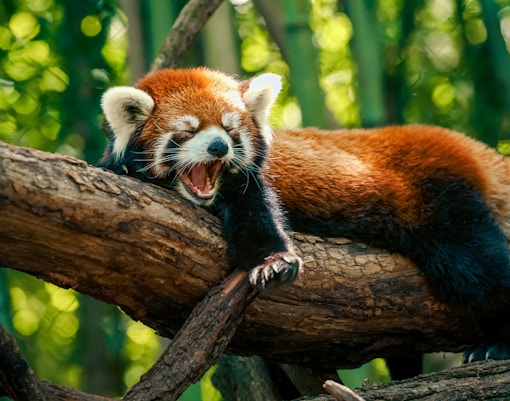
Mammals
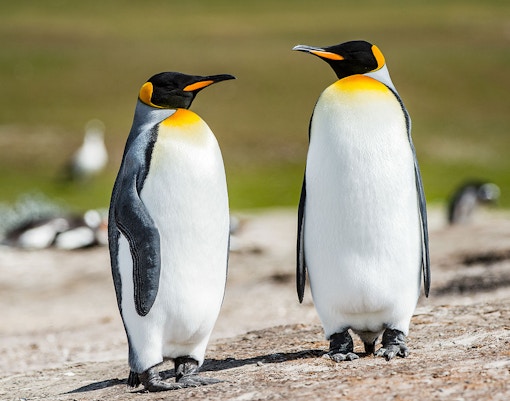
Birds
15+ species, such as Chinstrap penguin, African pygmy goose, King penguin, Emerald starling among others.
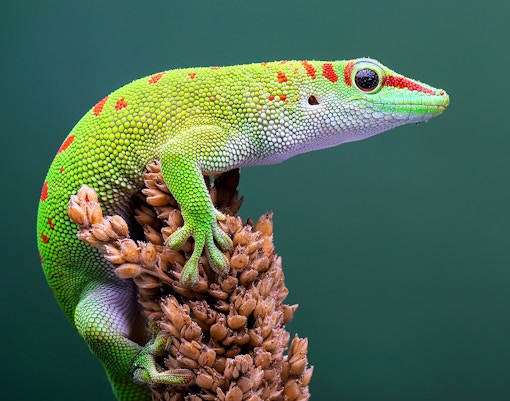
Reptiles
8 species, including Giant madagascar day gecko, Emerald tree boa, Burmese mountain tortoise among others.
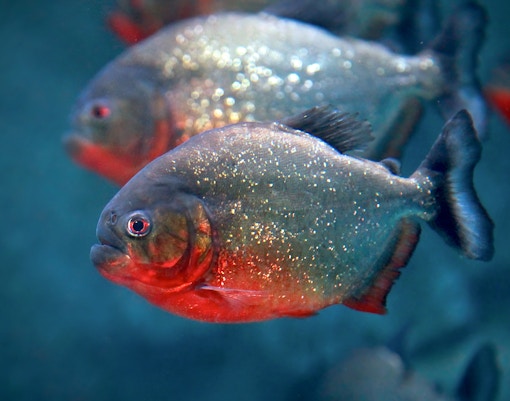
Fish
The only member is a red-bellied piranha.
Exhibits at Central Park Zoo
The Central Park Zoo is home to an array of wildlife, showcasing creatures from diverse ecosystems-tropical, temperate, and polar regions. While exact numbers can fluctuate, the zoo houses over 1,400 animals representing 163 species. In this wild abode, you get to encounter mammals, birds, reptiles, and amphibians, each with a unique story and connection to our planet's biodiversity.
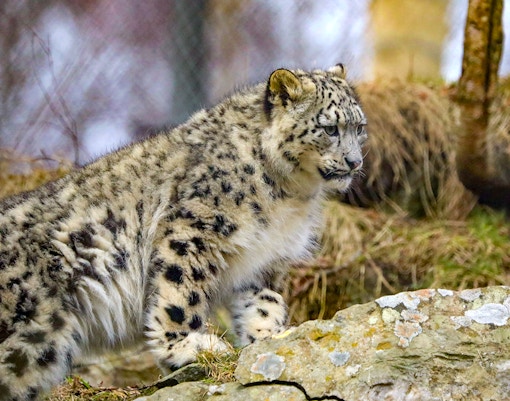
Snow leopard
These majestic and elusive big cats are masters of camouflage, perfectly adapted to their mountainous homes. Look for their beautiful spotted coats, long bushy tails used for balance and warmth, and powerful builds.
Habitat: Native to the high, rugged mountain ranges of Central and South Asia, including the Himalayas. They thrive in steep, rocky terrain, alpine meadows, and open coniferous forests.
Fun fact: A snow leopard's tail can be almost as long as its body! They use it like a furry scarf to keep their face warm in cold weather and for balance when navigating treacherous cliffs.
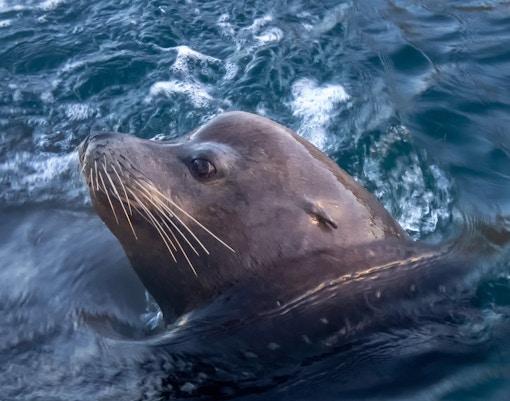
California sea lion
Intelligent, playful, and incredibly agile swimmers, the California sea lions are always a delight to watch. Observe them gliding through the water, basking on the rocks, or interacting during their feeding and training sessions.
Habitat: Found along the western coast of North America, from Vancouver Island in British Columbia down to Baja California in Mexico. They inhabit rocky shores, sandy beaches, and man-made structures like buoys and jetties.
Fun fact: Sea lions can hold their breath for up to 10 minutes and dive to depths of over 900 feet!
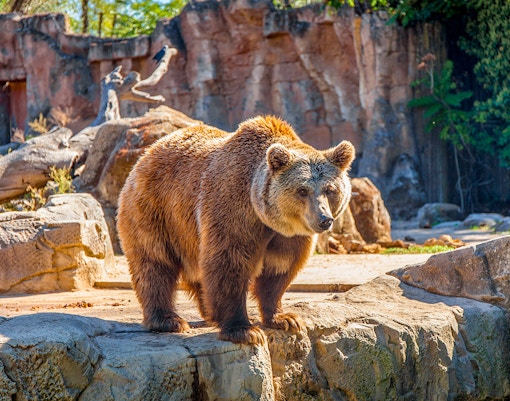
Grizzly bear
Meet the zoo's impressive grizzly bears, who teach us about coexisting with wildlife. These powerful omnivores can often be seen exploring their habitat, foraging for food, or enjoying a dip in their pool.
Habitat: Historically ranged across much of western North America. Today, they are primarily found in Alaska, western Canada, and parts of the northwestern United States, inhabiting woodlands, forests, alpine meadows, and prairies.
Fun fact: Grizzly bears have a distinctive muscular hump on their shoulders, which provides extra strength for digging dens and uncovering food.
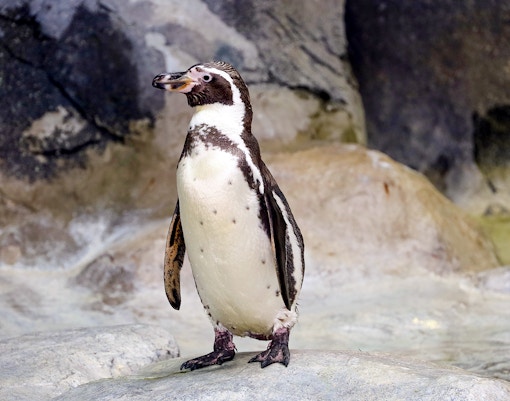
Penguins
Step into a chilly wonderland and marvel at the charming antics of various penguin species. Watch them waddle on land and "fly" gracefully underwater, offering both above and below-water viewing.
Habitat: Subantarctic islands, with some colonies on the Antarctic Peninsula. They prefer ice-free areas like coastal plains, sheltered valleys, and cliffs.
Fun fact: The black-and-white "tuxedo" pattern on penguins is a type of camouflage called countershading, which helps them avoid predators from above and below while swimming.
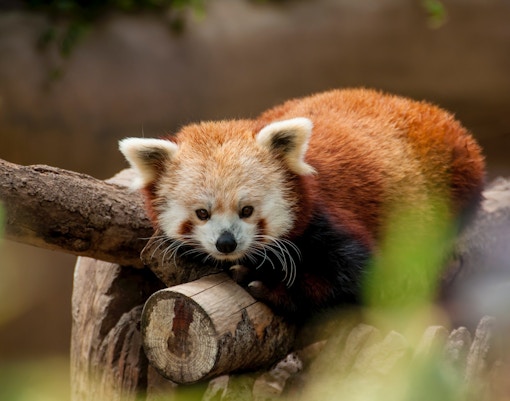
Red panda
These adorable, arboreal mammals are often seen skillfully navigating the branches with their long, bushy tails aiding their balance. Their reddish-brown fur provides excellent camouflage among the mossy trees of their native forests.
Habitat: Found in the Eastern Himalayas and southwestern China, inhabiting temperate forests with bamboo understories at altitudes between 7,200 and 15,700 feet.
Fun fact: Despite their name and bamboo-heavy diet, red pandas are not closely related to giant pandas. They are in their own unique family, Ailuridae.
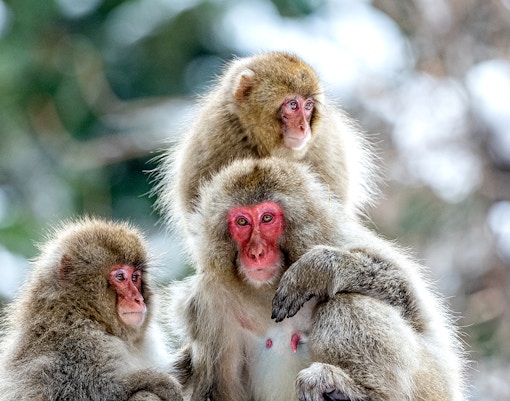
Snow Monkey (Japanese Macaque)
Known for their intelligence and complex social structures, these monkeys are the northernmost-living primates (excluding humans). Observe their fascinating interactions within their troop.
Habitat: Native to Japan, inhabiting a variety of environments from subtropical lowland forests to subalpine mountain regions. They are famous for visiting hot springs in colder areas.
Fun fact: Snow monkeys are very adaptable and have been observed washing their food in water before eating it, a learned behavior passed down through generations.
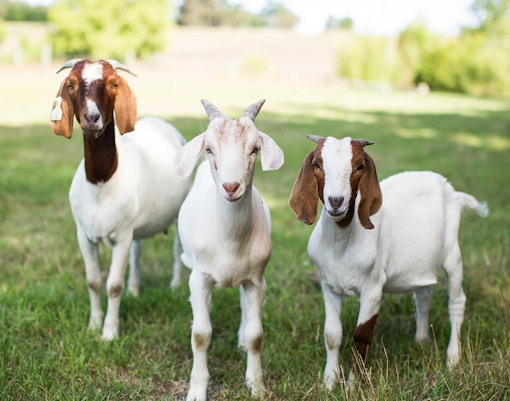
Goats, Sheep, and the only Cow in Manhattan
Tisch Children's Zoo is a delightful area perfect for younger visitors to get up close with friendly domestic animals. It’s an interactive space designed for gentle encounters and learning.
Habitat: These are domesticated species, living alongside humans in various farm and pastoral environments worldwide.
Fun fact: Goats are known for their curious nature and were one of the earliest animals to be domesticated by humans, over 10,000 years ago!

Birds at the Tropic Zone: The Rainforest
Listen to the vibrant calls and watch the dazzling colors of free-flying birds such as Scarlet Ibis, Emerald Starlings, Toucans, Blue-crowned Motmots, Parrots, and more, as they flit through the lush vegetation of the indoor rainforest.
Habitat: Diverse tropical rainforests across Central and South America, Africa, Asia, and Australia, depending on the specific species.
Fun fact: Many tropical birds have incredibly specialized beaks adapted to their specific diets, whether it's cracking nuts, sipping nectar, or catching insects.
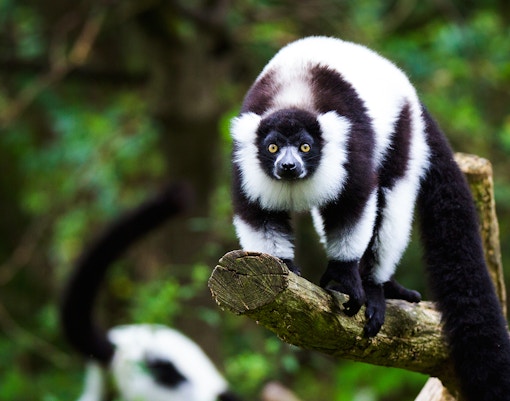
Ruffed Lemur
These fascinating primates from Madagascar can often be seen leaping through the branches or sunbathing. Their distinct calls and social behaviors are captivating.
Habitat: Native exclusively to Madagascar and the nearby Comoro Islands, inhabiting various forest types, from rainforests to dry deciduous forests.
Fun fact: Ring-tailed lemurs are famous for 'sun-worshipping' where they sit upright with their arms outstretched to soak up the morning sun.
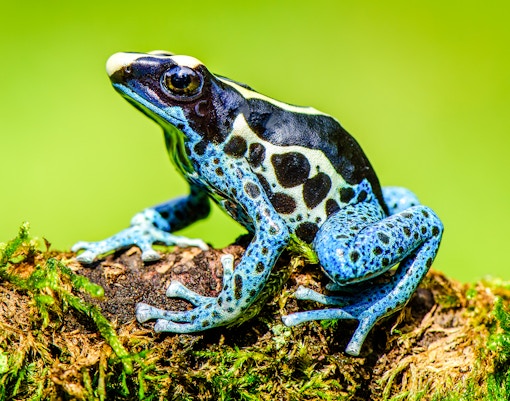
Poison Dart Frogs
Small but brightly colored, these amphibians showcase nature's warning signals. Their vibrant hues indicate their toxicity, a defense mechanism against predators.
Habitat: Found in humid, tropical rainforests of Central and South America, typically near water sources on the forest floor or in low vegetation.
Fun fact: Indigenous peoples historically used the toxins from some poison dart frog species to coat their blowgun darts for hunting.
Must-try experiences

4-D Theater
This immersive experience combines the visual excitement of a 3-D film with a variety of built-in sensory effects, like wind and mist, making wildlife films an exhilarating adventure.
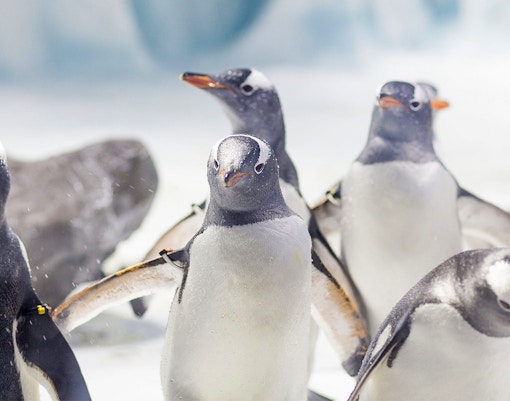
Penguin feedings
Watch the keepers feed the zoo's colonies of gentoo, chinstrap, and king penguins. It's a fantastic opportunity to see these birds up close as they dive and bob for fish, with the staff often sharing interesting facts about them. Feeding times are usually scheduled daily at 10:30am and 2:30pm.
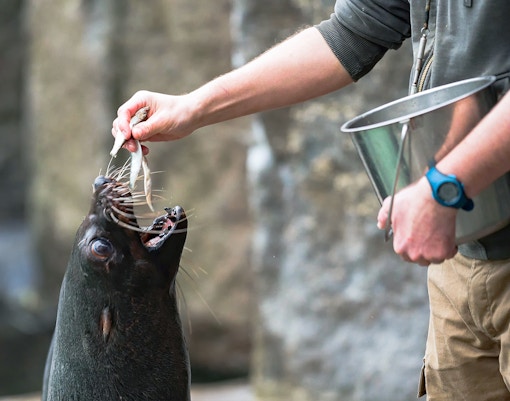
Sea lion feedings
Witness the intelligence and agility of the California sea lions during their feeding and training sessions. It's both entertaining and educational to see the Keepers interact with the sea lions, showcasing their natural behaviors. Feeding times are usually scheduled daily at 11:30 am, 1:30 pm and 3:30 pm.

Quests (seasonal)
During certain times of the year (often summer), the zoo offers 'Quests'. These are interactive activities and stations are designed for the visitors to connect more with wildlife and conservation, offering fun challenges and learning opportunities throughout the zoo.
Visitor tips
- Check feeding times: The penguin and sea lion feedings are the most coveted and anticipated attractions of the Zoo. Check the daily schedule upon arrival or online beforehand so you don't miss them.
- Visit the Tisch Children's Zoo: Even if you don't have young children, it's a charming area, and the animal encounters are enjoyable for all ages. Farm animal feeding is often available from 10am-2pm.
- Allow time for observation: Some animals, like the snow leopards, can be shy or blend into their environment. Be patient and take your time at each exhibit for the best chance of spotting them and observing their natural behaviors.
- Check for hidden animals in shaded spots: In the Grizzly or Red Panda exhibits, animals often rest in shaded or camouflaged areas during midday heat.
Frequently asked questions about the animals in Central Park Zoo
While all the animals are special, visitors particularly love seeing the snow leopards for their beauty, the sea lions during their feeding times, the grizzly bears, and the penguins in the Polar Circle. The Tropic Zone offers a wonderful immersive experience with free-flying birds and lemurs.
Animal activity levels vary throughout the day and depending on the species and weather. Many animals are more active in the cooler parts of the morning or later in the afternoon. Feeding times for sea lions and penguins are also great opportunities to see them in action.
For the health and safety of the animals, visitors are generally not permitted to feed them. However, at the Tisch Children's Zoo, there are sometimes opportunities to purchase feed for the domestic animals, or keepers may provide items for interaction. Always follow the keeper's instructions.
The Central Park Zoo is part of the Wildlife Conservation Society (WCS), which works to save wildlife and wild places worldwide. The zoo participates in breeding programs for endangered species, educates the public about conservation issues, and supports WCS field projects aimed at protecting the natural habitats of many of the animals you see.
While most animals are viewed from a distance, the Tisch Children’s Zoo offers opportunities to touch and feed certain domestic animals under supervision.
Yes, photography for personal use is allowed, but flash and tripods are prohibited to avoid disturbing the animals.
Yes, indoor areas like the Tropic Zone and Polar Circle offer great experiences even on rainy or cold days.
Occasionally, the zoo hosts temporary or seasonal exhibits or themed experiences, especially during holidays or summer months, such as Summer Camp.