Your guide to visiting New York Historical Society
The New York Historical Society is New York City’s oldest museum, best known for its American history galleries, Tiffany Lamp Gallery, and Center for Women’s History. It feels manageable in size, but the visit is more layered than people expect because the strongest spaces are spread across different levels. The biggest difference between a rushed visit and a good one is sequencing: don’t leave the fourth floor or lower level for later. This guide covers arrival, timing, tickets, and route.
Quick overview
If you want the short version before you book, this is the part to read.
- When to visit: Tuesday–Thursday and Sunday are the easiest days to visit, with Friday offering later hours; the first 60–90 minutes after opening feels noticeably calmer than Saturday afternoons because family traffic builds around the children’s museum and seasonal programming.
- Getting in: From $24 for standard entry; New York Historical Society tickets covers admission, and the museum’s free 1pm and 2:30pm guided tours usually add more value than hunting for a separate paid tour, so booking ahead matters most for holiday weeks and headline temporary exhibitions.
- How long to allow: 1.5–2.5 hours works for most visitors, and it stretches closer to 3 hours if you’re visiting with children, joining a free tour, or spending time in the Luce Center.
- What most people miss: The Luce Center’s visible storage and the lower-level DiMenna Children’s History Museum are the spaces visitors skip most often when they stay only with the main galleries upstairs.
- Is a guide worth it? Usually only if you want more interpretation than labels provide, because this is manageable self-guided and the included gallery tours cover the biggest highlights well.
Jump to what you need
🕒 Where and when to go
🗺️ Getting around
♿ Facilities and accessibility
Where and when to go
How do you get to New York Historical Society?
The museum sits on Central Park West on the Upper West Side, across from Central Park and a short walk from the American Museum of Natural History.
Address: 170 Central Park West, New York, NY 10024, United States | Find on Maps
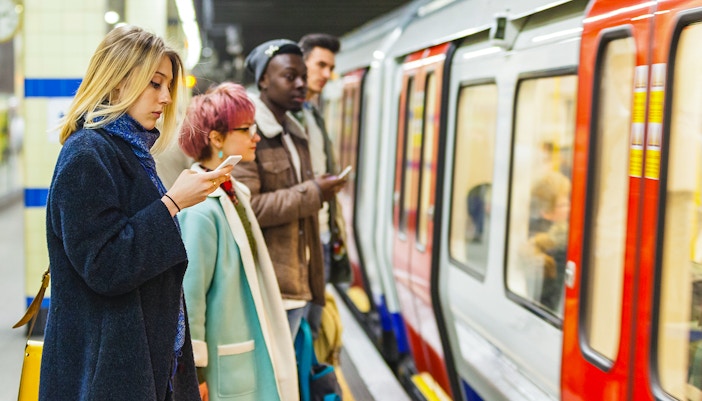
- Subway: B or C train → 81 St–Museum of Natural History → about 5 minutes on foot, with the museum entrance south of West 77th Street.
- Bus: M10 or M7 → Central Park West corridor stops → short walk, useful if you’re already moving north-south through Manhattan.
- Crosstown bus: M79 → West 81st Street area → easy option if you’re coming from the east side and don’t want a subway transfer.
- Taxi/rideshare: Central Park West at West 77th Street → curbside drop-off, best if you’re visiting with children or limited on walking time.
Which entrance should you use?
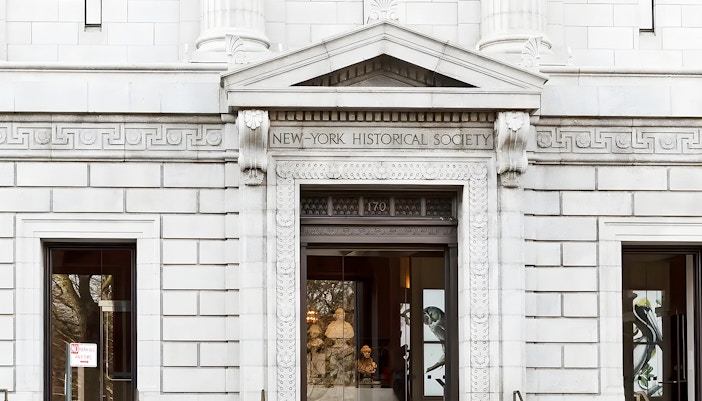
The museum uses one main public entrance, and the mistake visitors make most often is assuming the children’s museum has a separate way in. It doesn’t.
- Main entrance: Located on Central Park West at West 77th Street. Best for all visitors. Expect little to no wait on most weekdays, with longer lines during holiday programming and bigger temporary exhibitions.
When is New York Historical Society open?
- Tuesday–Thursday: 11am–5pm
- Friday: 11am–8pm
- Saturday–Sunday: 11am–5pm
- Monday: Closed
- Last entry: Aim for 3pm on regular days, or 6pm on Fridays, if you want time for more than the core highlights.
When is it busiest? Saturday and Sunday from 12 noon–3pm, plus holiday periods, are the busiest windows because families, seasonal events, and special exhibitions overlap.
When should you actually go? Arrive right at opening on a Tuesday, Wednesday, or Friday if you want the calmest galleries upstairs and an easier look at the Tiffany lamps before the museum fills out.
How do you get around New York Historical Society?
Museum layout
The New York Historical Society is compact and vertical rather than sprawling, so it’s easy to cover in one visit, but it still rewards a floor-by-floor plan because the lower-level family spaces and fourth-floor Tiffany lamps are the two sections visitors miss most often.
- Lower level: DiMenna Children’s History Museum and children’s library → the most interactive family content → 30–45 minutes.
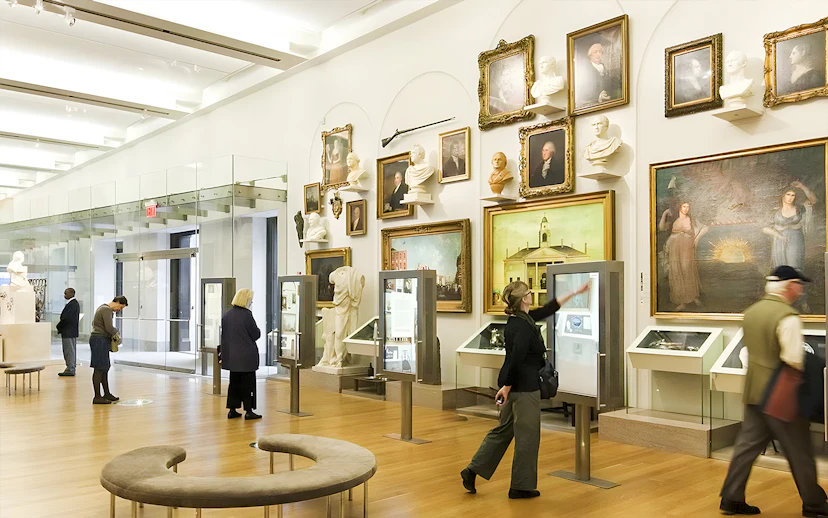
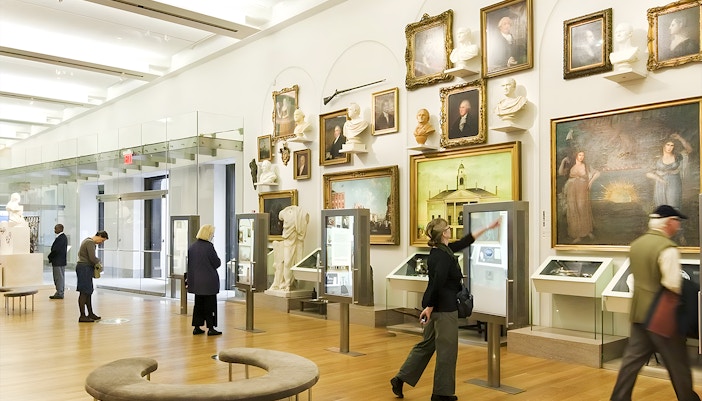
- Main galleries: Core American history and art displays → portraits, objects, and rotating material → 45–60 minutes.
- Fourth floor: Center for Women’s History and Tiffany Lamp Gallery → the most visually distinctive part of the museum → 30–45 minutes.
- Luce Center: Visible storage with densely displayed collection material → best for visitors who like behind-the-scenes collections → 15–20 minutes.
Suggested route: Start on the upper floors if adults are leading the visit, then work down so you don’t leave the Tiffany lamps to the end; start downstairs first only if you’re visiting with younger children who’ll get the most out of the interactive spaces early.
Maps and navigation tools
- Map: A floor guide at entry is worth grabbing because it helps you connect the lower level, main galleries, and fourth floor in one clean loop.
- Signage: Wayfinding is solid for the main route, but it’s easy to miss the Luce Center or lower-level family spaces if you move too quickly between floors.
- Audio guide/app: A self-guided visit works well here, and the free 1pm and 2:30pm tours usually add more value than navigating everything through your phone.
💡 Pro tip: Don’t save the fourth floor for the end of a late visit; the Tiffany lamps and Women’s History galleries are the part most people wish they had given more time to.
Where are the masterpieces inside New York Historical Society?
Tiffany Lamp Gallery
Creator: Louis Comfort Tiffany Studios
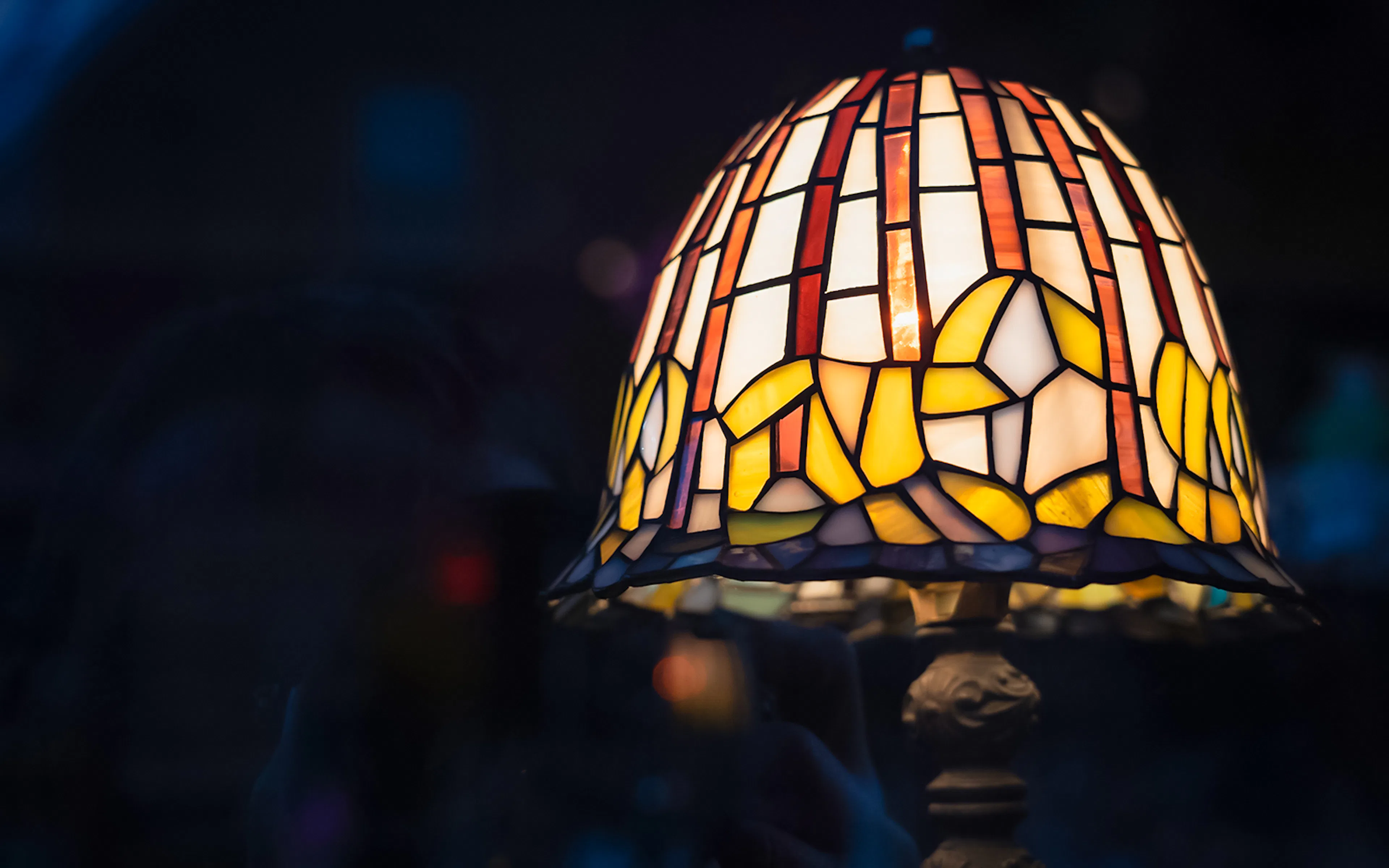
This is the visual payoff of the museum: 132 glowing Tiffany lamps shown together in one of the strongest design displays in New York. Most visitors stop for the obvious color and glasswork, but the better reason to linger is how different the lamp shapes and botanical details feel once you look closely rather than treating the room as a quick photo stop.
Where to find it: Fourth floor, inside the Center for Women’s History.
Center for Women’s History
Era: 19th century to present
This gallery goes beyond a single ‘women’s suffrage’ storyline and instead connects political, cultural, and social history across centuries. The part people rush past is the interpretive material tying famous names to broader movements, which is what makes the space feel richer than a standalone biographical exhibit.
Where to find it: Fourth floor, surrounding and adjoining the Tiffany Lamp Gallery.
DiMenna Children’s History Museum
Type: Interactive children’s history gallery
If you’re visiting with children, this is not an optional add-on tucked away below the main museum, it’s one of the venue’s strongest spaces. The immersive rooms work because they tell New York history through children’s lives, and adults often end up spending longer here than expected once they realize how thoughtfully the stories are staged.
Where to find it: Lower level.
Luce Center
Type: Visible storage collection
The Luce Center feels like stepping behind the scenes of a much bigger museum, with shelves and cases showing objects that never make it into standard gallery display. What people miss is that this isn’t overflow for specialists only; it’s one of the easiest ways to understand the depth of the collection in a short amount of time.
Where to find it: Mezzanine-level visible storage area within the museum.
Meet the Presidents and Oval Office experience
Type: Interactive political history installation
This is one of the museum’s most approachable spaces because it turns presidential history into something you can physically step into rather than read from a distance. The detail people often miss is that it works best after you’ve seen the surrounding political and social history material, because then the replica feels like context, not just a photo prop.
Where to find it: Within the permanent history galleries.
Hudson River School paintings
Artist/movement: Thomas Cole and 19th-century American landscape painting
These paintings matter because they help explain how the United States pictured itself while it was still defining nationhood and expansion. Visitors often glance at them as ‘beautiful landscapes’ and move on, but the atmospheric detail and scale are the reasons to slow down, especially if you want the art side of the museum, not only the artifact side.
Where to find it: In the permanent American art galleries on the main exhibition levels.
Facilities and accessibility
- 🎒 Cloakroom/lockers: Free coat check is one of the most useful on-site conveniences here, especially in winter when heavy outerwear gets annoying fast in a vertical museum.
- 👶 Stroller parking: Stroller parking is available, which makes a real difference if you’re planning to spend time in the DiMenna Children’s History Museum with younger kids.
- 🍽️ Café: The street-level café works best for coffee, a light snack, or a quick reset rather than a full meal you’ll plan the day around.
- 🛍️ Gift shop/merchandise: The lobby shop is worth a look if you like exhibition books, New York history titles, or museum gifts that feel more thoughtful than generic souvenirs.
- 📚 Children’s history library: Families get extra value from the Barbara K. Lipman Children’s History Library, which gives younger visitors a quieter break between interactive exhibits and the main galleries.
- 🚪 Entrance access: The main Central Park West entrance includes an accessible ramp and elevator, so access starts smoothly from arrival.
- ♿ Mobility: The main entrance has an accessible ramp and elevator, and the museum’s public spaces are wheelchair-accessible, which matters because the visit is spread across several levels.
- 👁️ Visual impairments: This is a label-heavy museum with smaller objects and dense displays in places, so it rewards a slower pace more than a rushed room-by-room sweep.
- 🧠 Cognitive and sensory needs: The calmest visit is usually right after opening on a weekday, while the lower-level children’s museum and holiday programming create the busiest and most stimulating environment.
- 👨👩👧 Families and strollers: The overall footprint is easier to manage than at many large Manhattan museums, but using elevators between the lower level and upper galleries is part of the route if you have a stroller.
The New York Historical Society works especially well for children around 4 and up, because they get stories, role-play, and hands-on history rather than a museum experience that depends on quietly reading labels.
- 🕐 Time: 60–90 minutes is realistic with younger children if you focus on the lower level first, while older kids can stretch the visit closer to 2 hours with selected upper-floor galleries.
- 🏠 Facilities: Stroller parking, the children’s museum, the children’s library, and the café make it easier to build in breaks instead of forcing a full-gallery marathon.
- 💡 Engagement: Start with the interactive history rooms downstairs, because once children have a story framework for old New York, the objects upstairs make much more sense.
- 🎒 Logistics: Bring only what you need, check bulky extras early, and aim for opening time if you want the easiest family pacing.
- 📍 After your visit: Central Park is the simplest family-friendly next stop, giving children room to move without adding another subway ride.
Rules and restrictions
What you need to know before you go
- Entry requirement: A standard admission ticket is the simplest way in, and children under 5 can enter for free.
- Bag policy: Use the free coat check early if you’re carrying bulky layers or extra family gear, because the museum is spread over several levels.
- Visit planning: Treat this as one continuous 1.5–2.5 hour visit and plan meals or park time before or after, not in the middle.
Not allowed
- 🚫 Food and drink: Keep food and open drinks to café or non-gallery spaces rather than carrying them through the collection.
- 🚬 Smoking and vaping: Smoking and vaping belong outside the building, not in entry or gallery areas.
- 🐾 Pets: Pets don’t belong in the museum visit, though a service animal assisting a visitor is the practical exception.
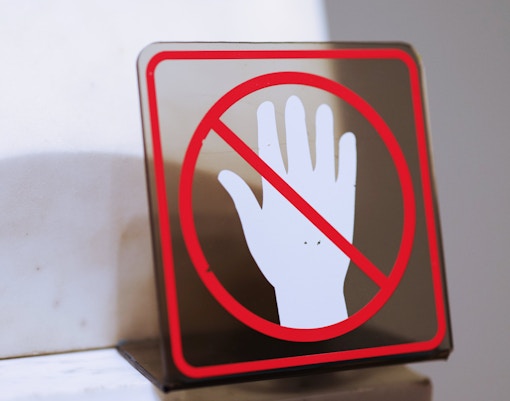
- 🖐️ Touching exhibits: Don’t touch historic objects, display cases, or lamps unless something is clearly marked interactive.
Photography
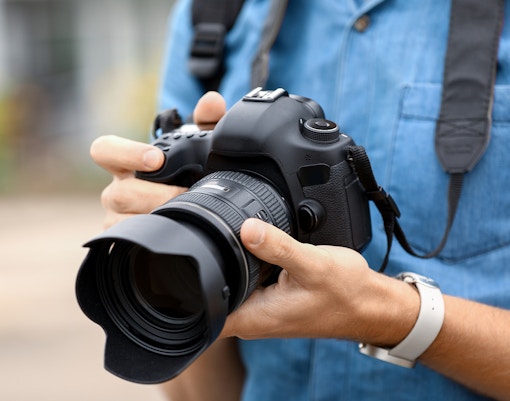
Personal photography is usually the easiest assumption for permanent galleries, but special exhibitions can apply tighter rules, so it’s smart to check at entry if photos matter to your visit. Don’t count on flash, tripods, or selfie sticks being part of the experience here, especially around light-sensitive works, smaller artifacts, and crowded exhibition rooms.
Good to know
- Free guided tours: The included 1pm and 2:30pm tours are one of the simplest ways to add context without changing your ticket choice.
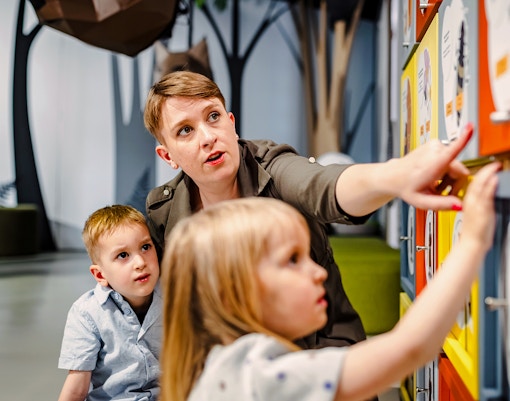
- Children’s museum access: The lower-level DiMenna Children’s History Museum is included with admission, so families don’t need a separate add-on.
Practical tips
- Booking and arrival: Book New York Historical Society tickets ahead of time if you’re visiting in summer, on a holiday weekend, or during a seasonal exhibition, but on regular weekdays, the bigger mistake is arriving too late to do the fourth floor properly.
- Pacing: Save your freshest attention for the Tiffany lamps and Women’s History galleries, because they’re the most distinctive rooms and the ones that feel most disappointing when rushed.
- Crowd management: Tuesday or Wednesday right at opening is the sweet spot here, since you’ll get quieter galleries upstairs before family traffic builds later in the day.
- What to bring or leave behind: Bring a small day bag and check anything bulky, because the museum’s multi-floor route makes extra weight more noticeable than it would be in a single-level gallery.
- Food and drink: If you want a full meal, eat before you enter or wait until after, because the café is best treated as a quick break rather than the center of your plan.
- Tour timing: If you want more context without turning the visit into a full guided experience, aim your arrival around the free 1pm or 2:30pm tours and build the rest of your route around them.
What else is worth visiting nearby?
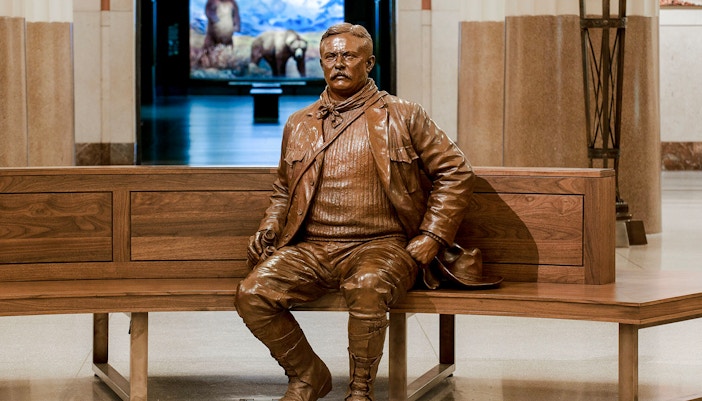
American Museum of Natural History
Distance: 350m (0.2 mi), 5-min walk
Why people combine them: They’re almost neighbors on Central Park West, so it’s easy to pair a focused history museum with a broader science museum day without wasting time in transit.
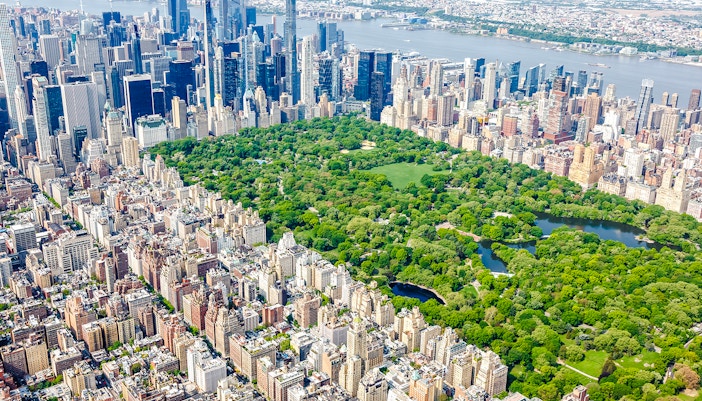
Central Park
Distance: 300m (0.2 mi), 4-min walk
Why people combine them: It gives you an easy outdoor reset before or after the museum, especially if you’re visiting with children or want to break up an Upper West Side museum day.
Also nearby
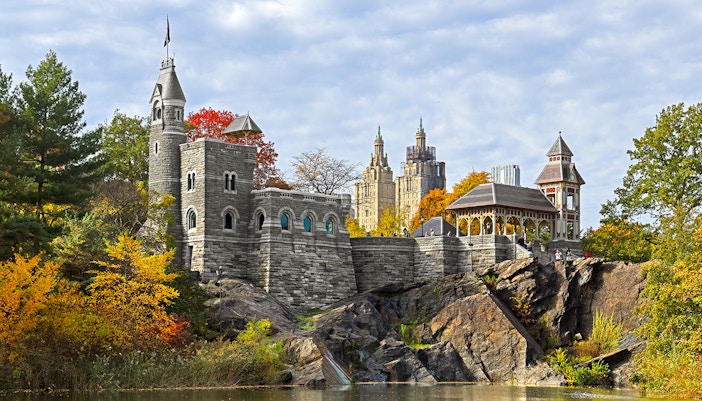
Belvedere Castle
Distance: 900m (0.6 mi) — 12-min walk
Worth knowing: It’s a good add-on if you want park views after the museum, but it works better as a short stop than a second major attraction.
Lincoln Center
Distance: 1.7km (1.1 mi) — 20-min walk or short subway/cab ride
Worth knowing: This makes more sense as an evening pairing if you’re turning the museum into a full Upper West Side day.
Eat, shop and stay near New York Historical Society
- On-site: The museum café is useful for coffee, pastries, and a quick light break, but it’s more of a convenience stop than a destination meal.
- Nice Matin (8-min walk, 201 W 79th St): French café and brasserie, $$, a good post-museum sit-down if you want a proper lunch without leaving the neighborhood.
- Levain Bakery (9-min walk, 167 W 74th St): Bakery and coffee stop, $, best if you want something fast before heading into Central Park.
- Jacob’s Pickles (11-min walk, 509 Amsterdam Ave): Comfort food, $$, better after your visit than before if you want a heavier meal.
- 💡 Pro tip: Eat before you enter if you’re aiming for the free 1pm tour, because stopping for food mid-visit breaks the museum’s otherwise easy flow.
- New York Historical Society shop: Books, exhibition catalogs, and New York history-themed gifts, right in the lobby and worth checking before you leave.
- Zabar’s: Food gifts, kitchen goods, and classic Upper West Side browsing, a little farther west but useful if you want the neighborhood’s most famous shopping stop.
Yes, the Upper West Side is an easy, comfortable base if you want walkable museum time, Central Park access, and a less hectic feel than Midtown. It’s especially good for families, slower-paced city breaks, and travelers who want culture without constant subway hopping.
- Price point: This area usually skews mid-range to high-end, though you’ll still find better value here than in the tightest Midtown core.
- Best for: Visitors who want to pair museums, Central Park, and calmer neighborhood streets in one compact part of Manhattan.
- Consider instead: Midtown works better if this museum is only one stop on a fast first-time New York itinerary, while the Upper East Side is stronger if your priority is a denser classic museum run.
Frequently asked questions about visiting New York Historical Society
Most visits take 1.5–2.5 hours. That’s enough time for the core galleries, the Tiffany lamps, and the Center for Women’s History. If you’re visiting with children, joining the free 1pm or 2:30pm guided tour, or spending time in the Luce Center, you can stretch that to around 3 hours without forcing the pace.
Booking ahead is the easier move, but it’s most useful during holiday periods, summer weekends, and stronger temporary exhibitions. On a regular weekday, the museum is usually manageable without the kind of intense sellout pressure you get at New York’s biggest landmarks. Pre-booking mostly saves you last-minute decisions rather than rescuing you from massive lines.
Arrive about 10–15 minutes early. That gives you enough time for ticket scanning, coat check, and getting oriented before you choose a route. If you’re trying to catch the free 1pm or 2:30pm guided tour, give yourself a little extra buffer so you’re not rushing straight from the entrance into the group.
Yes, but a small day bag is the most comfortable choice. The museum is spread across several levels, so bulky bags feel more annoying here than they do in a single-floor gallery. Free coat check is available, and using it early makes the visit smoother, especially in winter or if you’re carrying extra family gear.
Usually yes for personal use in permanent galleries, but special exhibitions may set their own rules. If photos matter to your visit, check when you arrive rather than assuming one rule covers every room. It’s smart to expect flash, tripods, and selfie sticks to be more restricted than casual phone photography.
Yes, and it works well for small groups because the museum is compact and easy to cover together. Larger groups should plan ahead so entry and pacing stay smooth, especially if you want to move as one unit between the lower level, main galleries, and fourth floor. The included guided tour times can also help structure the visit.
Yes, especially for children around 4 and up. The lower-level DiMenna Children’s History Museum gives families a genuinely interactive reason to visit rather than asking kids to quietly absorb standard galleries. If your children are younger, plan a shorter visit focused on the lower level first, then add selected upper-floor highlights only if energy holds.
Yes, the museum’s public spaces are wheelchair-accessible. The main Central Park West entrance includes an accessible ramp and elevator, which matters because the visit is spread across multiple levels. It’s a much more manageable accessibility experience than older museums that rely on stairs or indirect access routes between key galleries.
Yes. There’s a café on-site for a quick snack or coffee, and the surrounding Upper West Side gives you plenty of stronger full-meal options within a short walk. If you want to maximize museum time, eat before you enter or after you leave rather than planning a longer lunch break in the middle.
Yes, if you want more context without turning the visit into a heavily structured tour. The 1pm and 2:30pm tours are a smart middle ground: you still get the freedom of a self-guided museum day, but with a clearer framework for the collection’s biggest highlights. They’re especially useful on a first visit.
Go straight to the fourth floor first, then pick 1 more section based on your interests. The Tiffany Lamp Gallery and Center for Women’s History give you the museum’s most distinctive payoff in the shortest time. After that, choose either the core history galleries, the Luce Center, or the lower-level children’s museum instead of trying to sample everything.