The Museum of Broadway visitor guide

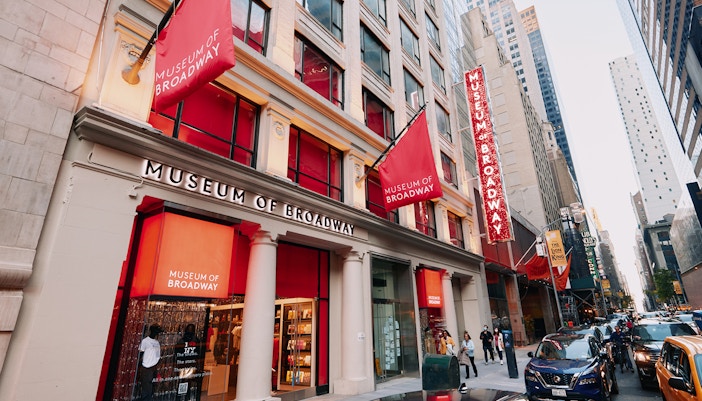
The Museum of Broadway is immersive in Times Square, best known for turning Broadway history into a walk-through, multimedia experience. It is not a huge museum, but it is denser than many visitors expect, with 3 floors of exhibits, labels, projections, costumes, and behind-the-scenes material that reward a slower pace. The biggest difference between a rushed visit and a good one is timing: weekday morning slots feel far easier to enjoy than late-afternoon visits in the middle of theater-district foot traffic. This guide covers arrival, timing, tickets, route, and what not to miss.

Quick overview

This is a self-guided, timed-entry museum, so the visit goes best when you pick a quieter slot and know which exhibits deserve more than a quick walk-through.

  • When to visit: Hours vary by day, so check the live schedule before you book; weekday mornings are noticeably calmer than late afternoons, because Times Square and pre-show crowds build around the museum as the day goes on.
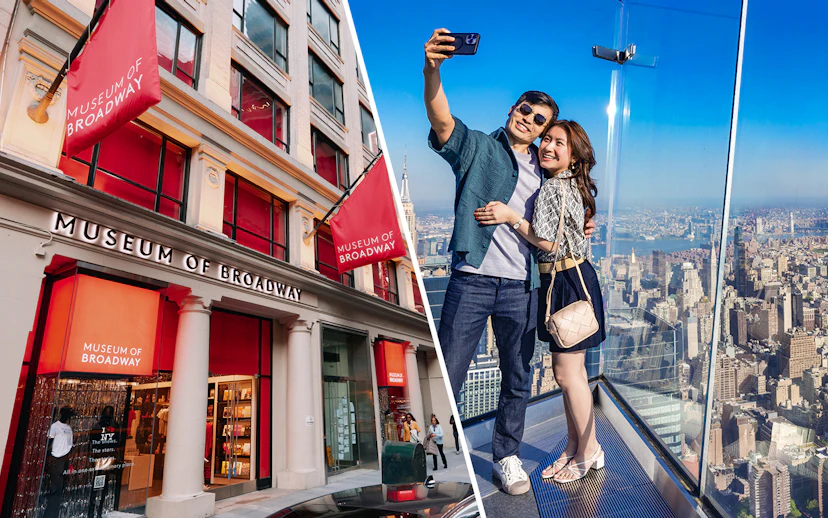
  • Getting in: From $47 for standard entry; combo tickets are also available if you want to pair the museum with Edge, the Empire State Building, Central Park Zoo, the American Museum of Natural History, or the New York Aquarium, and booking ahead matters most for summer, holiday weeks, and weekend slots.
  • How long to allow: 1.5–2.5 hours for most visitors, with closer to 3 hours if you stop for the full timeline, read the labels closely, and use the audio guide.
  • What most people miss: The Map Room’s theater-migration story and the craft-focused 'Making of a Broadway Show' galleries add more depth than many of the headline costume displays.
  • Is a guide worth it? A live guide is not essential here, because the museum is built for self-guided visits and the audio guide gives enough context for most visitors.

🎟️ Weekend slots for The Museum of Broadway can go fastest in summer and around the holidays. Lock in your visit before the time you want is gone. See ticket options

Jump to what you need

Where and when to go

Late afternoons feel busier here for a reason

The museum sits in the middle of the Theater District, so crowd levels rise with the neighborhood rather than only with museum demand. A 10am–12 noon slot usually feels easier than a 4pm visit, when pre-show traffic starts filling the street outside.

Which The Museum of Broadway ticket is best for you

Ticket typeWhat's includedBest forPrice range

The Museum Of Broadway Tickets

Entry to The Museum Of Broadway

A standalone visit where you want a simple, self-guided museum stop in the Theater District without committing to a full same-day itinerary

From $46.78

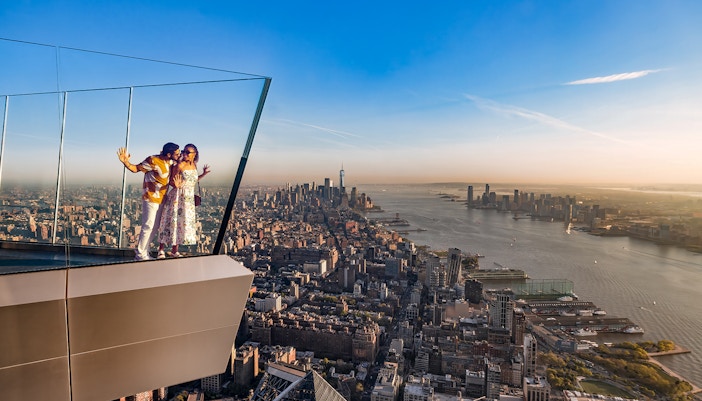
Combo (Save 3%): The Museum of Broadway + Edge Observation Deck Timed Entry Tickets

Entry to the Museum of Broadway + timed entry to Edge + access to indoor observation deck on Level 100 + outdoor sky deck + Glass Floor + Skyline Steps + Eastern Point + digital souvenir

A day that mixes Broadway culture with a skyline view, especially if you want 2 very different Midtown experiences on one booking

From $79.34

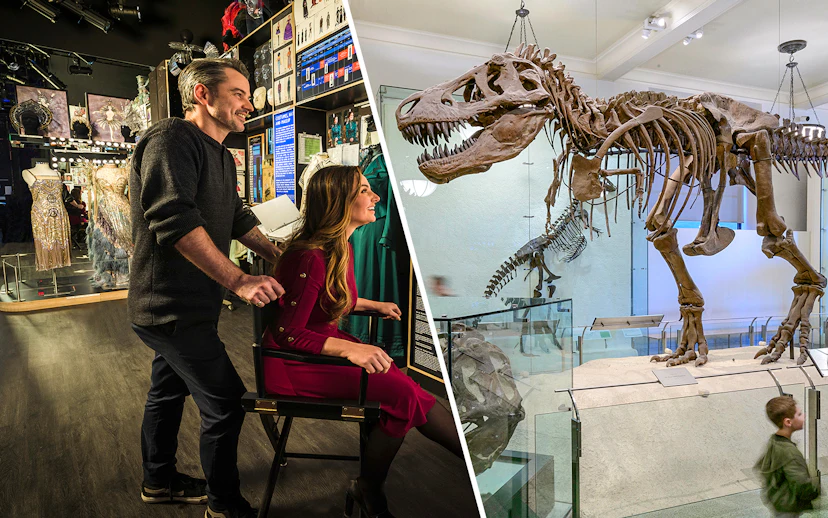
Combo: The Museum Of Broadway + American Museum of Natural History Tickets

Entry to The Museum Of Broadway + entry to the American Museum of Natural History + permanent exhibits + Rose Center for Earth and Space + Gilder Center

A museum-heavy day where you want one arts-focused stop and one much larger science museum without buying separate tickets

From $75.40

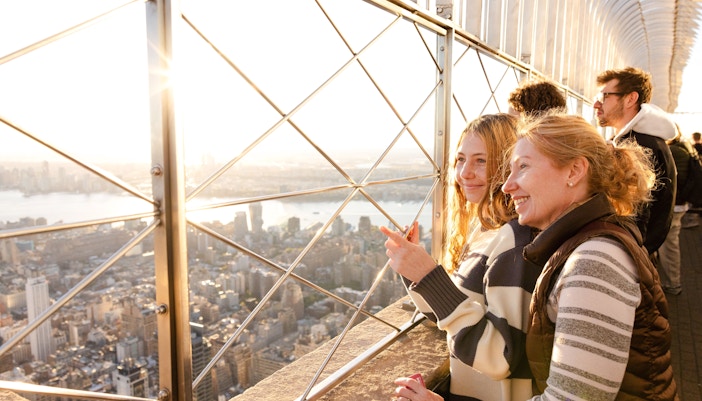
Combo: The Museum of Broadway Tickets + Empire State Building Tickets

Entry to the Museum of Broadway + entry to the Empire State Building + 86th-floor outdoor deck + binoculars + Art Deco lobby access + Wi-Fi

A classic Midtown plan where you want one indoor culture stop and one iconic city-view experience within easy reach

From $85.22

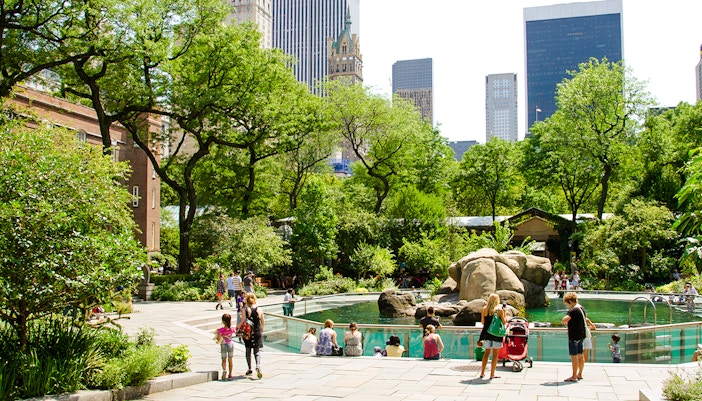
Combo: The Museum Of Broadway + Central Park Zoo Tickets

Entry to The Museum Of Broadway + entry to Central Park Zoo + 4D Theater + Snow Leopard habitat + Sea Lion Pool + Polar Circle + Tropic Zone + Tisch Children’s Zoo

A mixed itinerary where you need one cultural stop and one family-friendly animal attraction that keeps the day varied

From $60.05

Combo: The Museum Of Broadway + New York Aquarium Tickets

Entry to The Museum Of Broadway + entry to New York Aquarium + 4D theater show

A longer sightseeing day where you want to balance a compact Midtown museum with a separate marine-life attraction

From $71.76

How do you get around The Museum of Broadway?

Where are the masterpieces inside The Museum of Broadway?
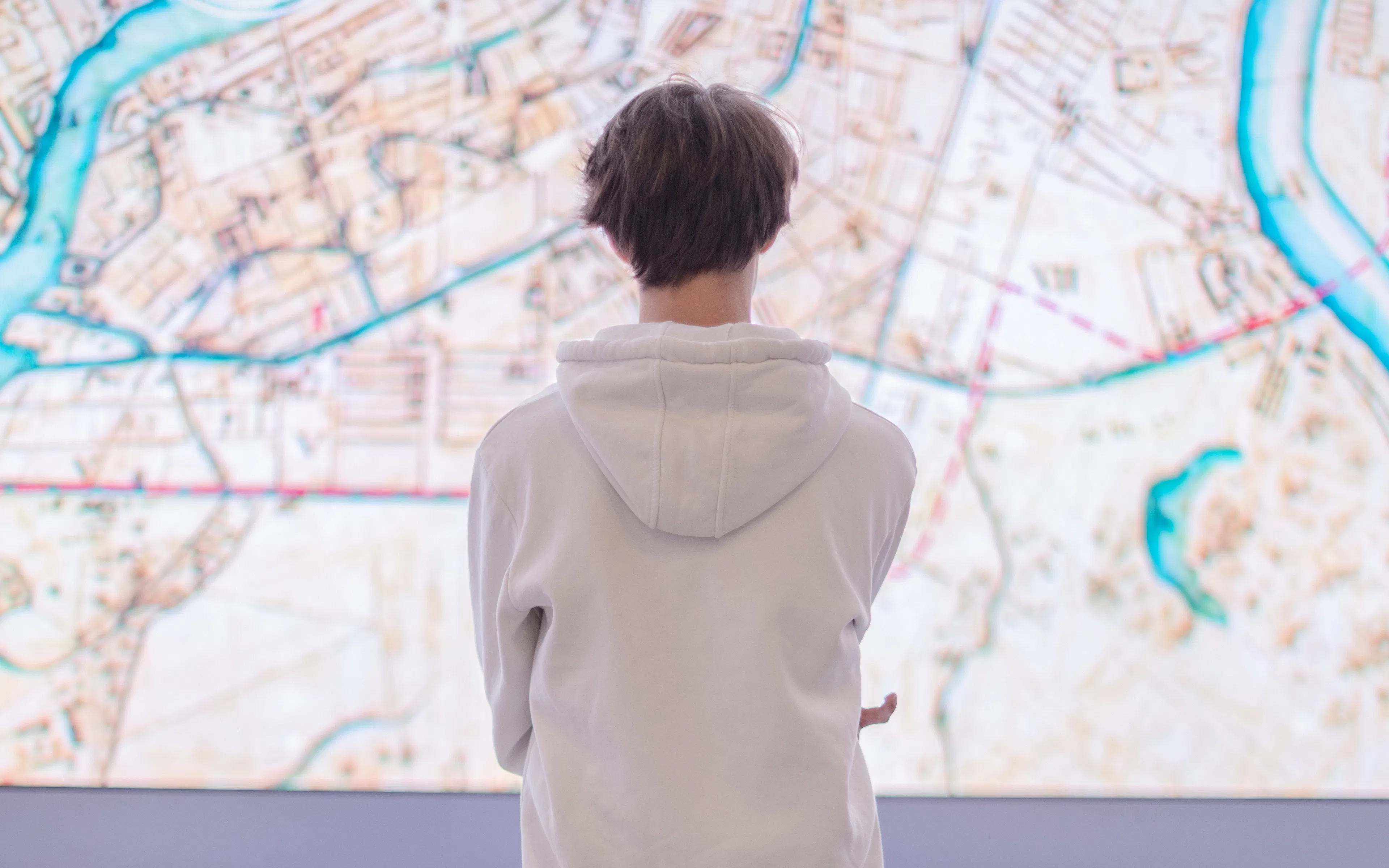
Map Room at The Museum of Broadway
Broadway timeline galleries
Making of a Broadway Show exhibit
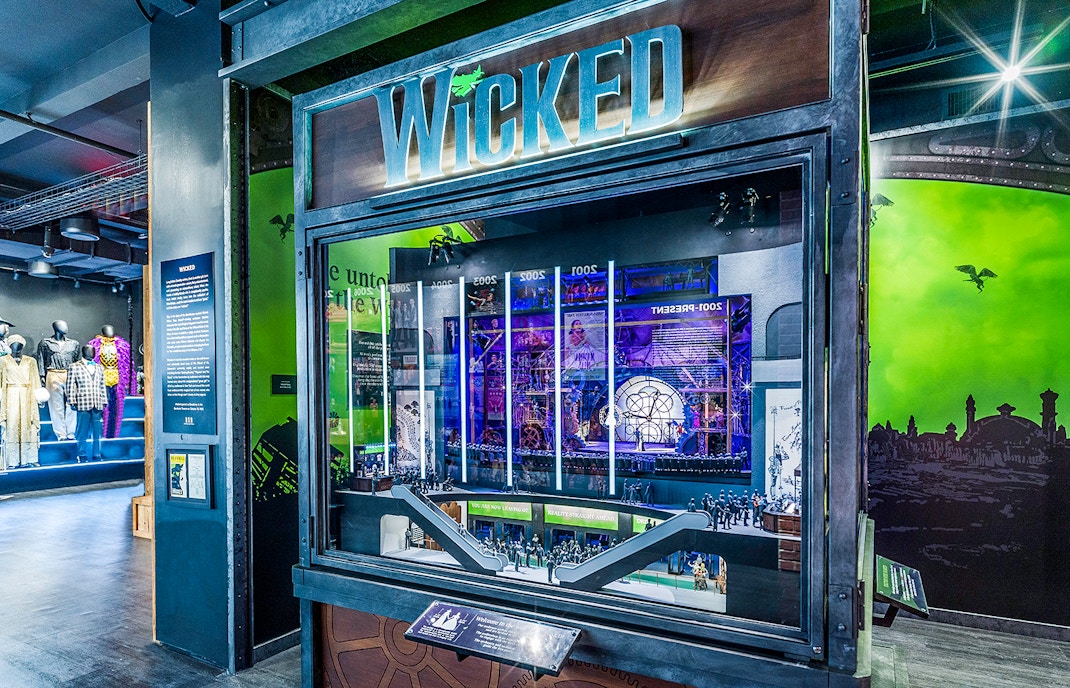
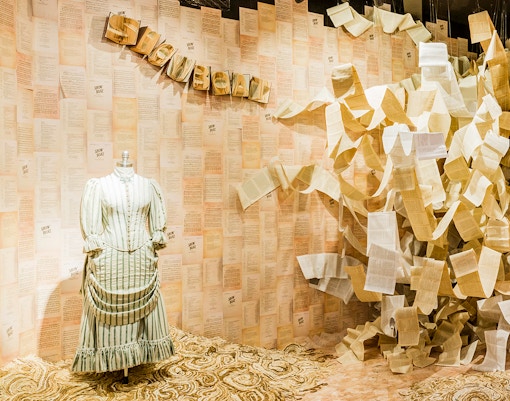
Costume and memorabilia displays
1/4

Map Room

Feature type: Immersive projection gallery

This is one of the smartest rooms in the museum, and it does more than most visitors expect from a 'map' exhibit. Floor-to-ceiling projections show how New York’s theaters moved north across Manhattan, which helps the rest of the museum make sense historically. The detail people often miss is underfoot: the floor itself is part of the storytelling, so do not just look at the walls and walk on.

Where to find it: Early in the visit, near the start of the main route before you settle into the full timeline galleries.

Broadway timeline galleries

Feature type: Chronological exhibition sequence

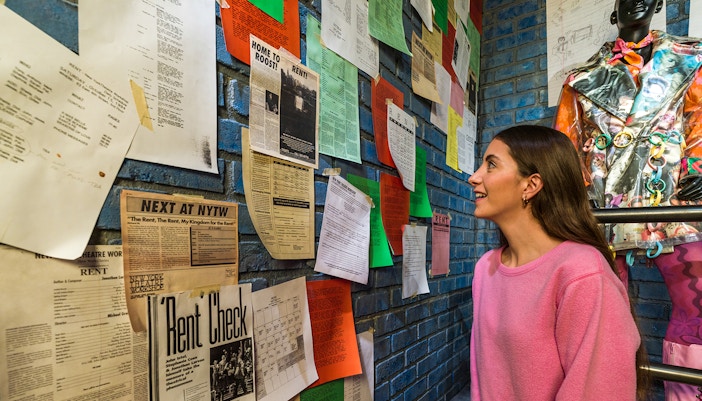
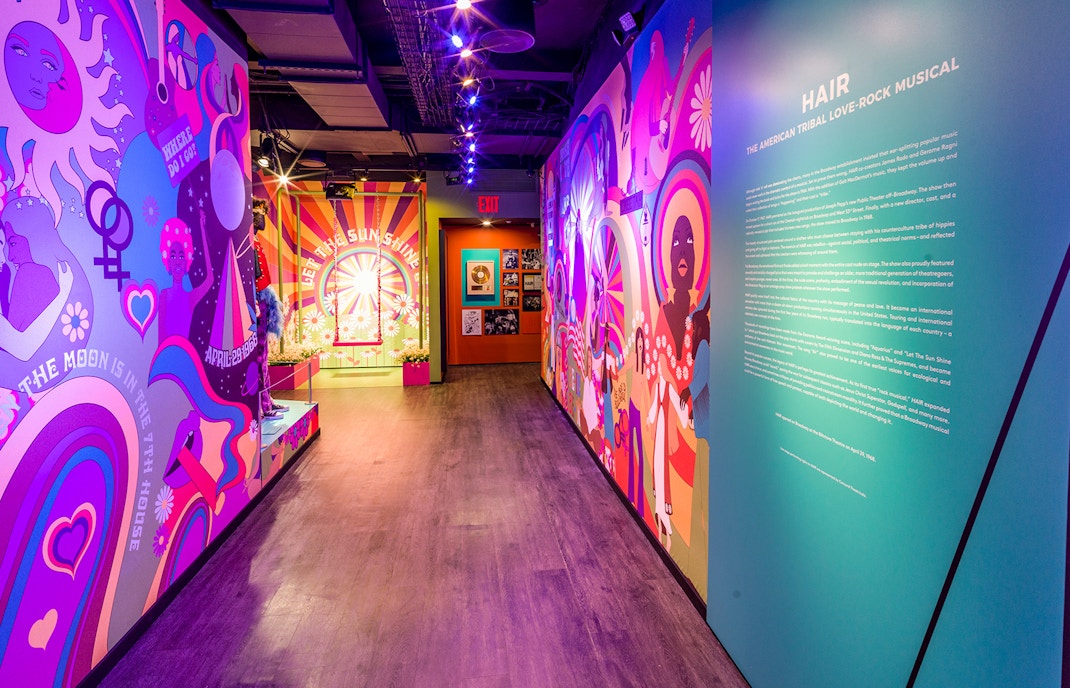
These galleries are the backbone of the museum, taking you from early Broadway history through the major shows, shifts, and turning points that shaped the district. They are packed with costumes, set recreations, Playbills, and social-history context, so they reward a slower pace more than quick photos. What many visitors rush past are the smaller labels explaining why a show mattered, not just that it was famous.

Where to find it: Across the museum’s main exhibit floors, following the route forward from the introductory spaces.

Making of a Broadway Show

Feature type: Behind-the-scenes craft exhibit

If the timeline explains Broadway from the audience side, this section explains how a production gets built behind the curtain. You will see how scenic design, choreography, costumes, music, and technical work turn a script into a full show. The detail that often gets skipped is the labor story: this section is less about stars and more about the people whose work makes Broadway possible.

Where to find it: Later in the museum route, after the main historical galleries.

Costume and memorabilia displays

Feature type: Original artifacts

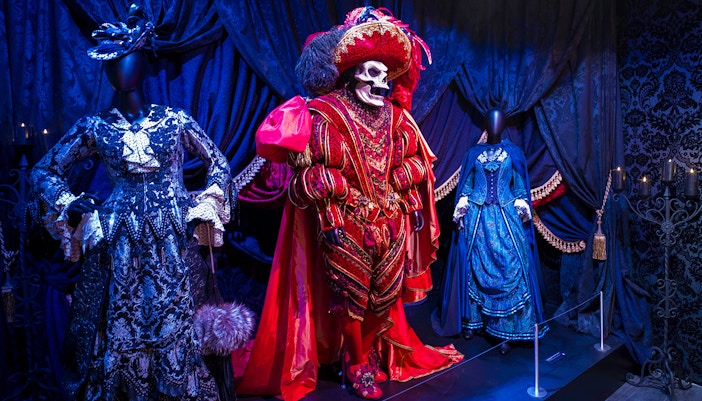
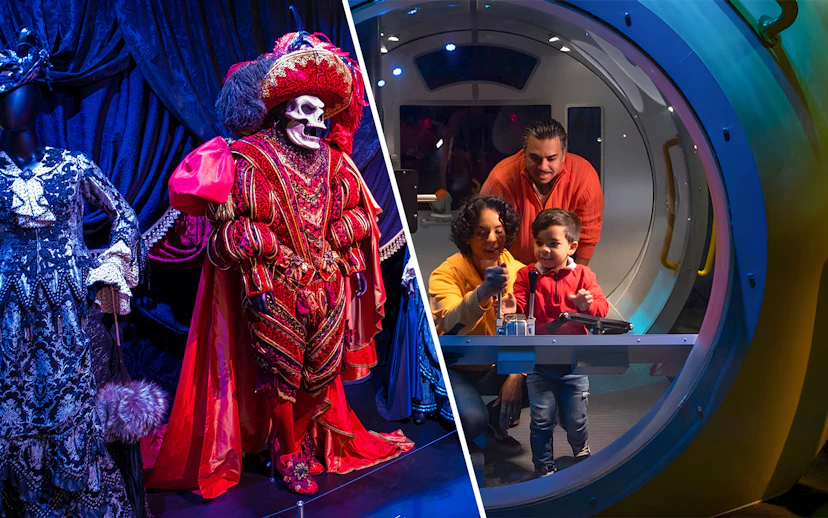
The genuine costumes and props scattered through the museum are what make the experience feel tangible rather than purely digital. Seeing garments, masks, suits, and production pieces up close gives scale and craft detail that photos never do. What people often miss is how different the fabrics, finishing, and wear look in person, especially when you compare older pieces with newer productions.

Where to find it: Integrated throughout the timeline galleries rather than grouped into a single room.

Most visitors move too fast through the craft section

The flashy photo moments get attention first, but 'Making of a Broadway Show' is where the museum stops being a timeline and starts feeling like an insider experience. It is easy to miss because it comes later in the route, after many people have already sped through the history galleries.

Facilities and accessibility

  • 🚻 Restrooms: ADA restrooms are available on every level, so you do not need to leave the main route to find one.
  • 🛍️ Gift shop/merchandise: The shop sits at the end of the visit and is the best place to pick up Broadway-themed souvenirs, books, and museum-branded items.
  • 🎒 Stroller check: Strollers may be checked at the front desk, which helps if you do not want to maneuver them through every gallery.
  • 🎧 Audioguide: A mobile audio guide app is available and adds narration and extra context as you move through the exhibits.
  • 🛗 Elevators: Elevators connect the exhibit floors, which matters here because the visit is spread across multiple levels.
  • Mobility: The museum is wheelchair accessible, elevators connect the floors, and ADA restrooms are available on every level, so the visit is workable end to end for most wheelchair users.
  • 👁️ Visual impairments: Guide dogs are welcome, and the audio guide helps with spoken context, but this is still a visually led museum with projections, labels, and display-heavy rooms.
  • 🧠 Cognitive and sensory needs: The visit is self-paced, which helps if you need to slow down, but some spaces use projections, sound, and dense visual material that can feel stimulating.
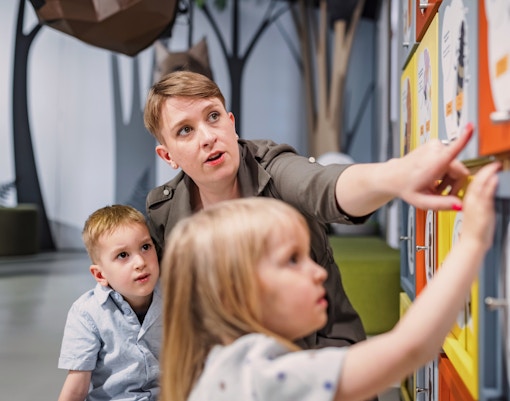
  • 👨‍👩‍👧 Families and strollers: The museum is stroller accessible, children up to the age of 12 years must be accompanied by an adult aged 18 or older, and the compact route is easier with a stroller than many larger museums.

This works best for children who enjoy costumes, music, stagecraft, or interactive displays, and it is usually a better fit for school-age kids than for toddlers who need lots of open space.

  • 🕐 Time: Around 60–90 min is realistic with younger children if you focus on the Map Room, the biggest visual displays, and a few standout costume cases.
  • 🏠 Facilities: Stroller access, stroller check, and restrooms on every level make the visit easier than many older Midtown buildings.
  • 💡 Engagement: Turn the timeline into a show-spotting game by asking kids which costumes, titles, or characters they already recognize.
  • 🎒 Logistics: Bring a small bag, not oversized luggage, and aim for a morning slot when the galleries are quieter and easier to move through.
  • 📍 After your visit: If you want to keep the day going, the combo with the Empire State Building is an easier same-area follow-up than planning a cross-city second stop.

Rules and restrictions

Practical tips

  • Booking and arrival: Book ahead for weekend, summer, and holiday slots, and aim to arrive 10–15 min before your timed entry so you are not starting the visit already rushed.
  • Pacing: Do not spend your whole visit reading every early panel; save time for the Map Room and 'Making of a Broadway Show,' which are where the museum feels most distinctive.
  • Crowd management: Tuesday and Wednesday mornings are usually the easiest windows because the museum is quieter before late-day Times Square and pre-theater traffic build outside.
  • What to bring or leave behind: Bring a small bag and comfortable shoes, because oversized bags and luggage are not allowed and you will be moving across 3 exhibit floors.
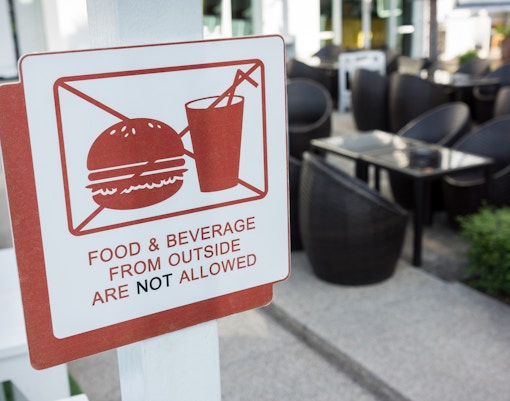
  • Food and drink: Eat before you go or plan a proper post-visit meal, because food and drinks are not allowed inside and this part of Midtown gets much busier around standard pre-show dinner hours.

What else is worth visiting nearby?

Eat, shop and stay near The Museum of Broadway

  • On-site: There is no full on-site restaurant, so the museum works best as a pre-meal or post-meal stop rather than something to plan lunch around.
  • Tony’s Di Napoli (5-min walk, 147 W 43rd St): Italian, mid-range, and useful if you want a sit-down meal that works well before or after a show.
  • Junior’s Restaurant & Bakery (6-min walk, 1515 Broadway): American diner fare, moderate pricing, and a reliable option if you want cheesecake, comfort food, or a late lunch close to Times Square.
  • Los Tacos No. 1 (7-min walk, 229 W 43rd St): Casual Mexican, budget to mid-range, and a strong pick if you want something fast that does not feel like a tourist fallback.
  • 💡 Pro tip: Eat before 6pm or after 8pm if you are dining nearby, because the whole Theater District tightens up once pre-show dinner traffic kicks in.
  • The Museum of Broadway gift shop: Best for Broadway-themed merchandise, books, and museum-specific souvenirs right at the end of your visit.
  • Theatre Circle: A longtime theater store nearby that is better for scripts, cast recordings, posters, and more serious Broadway browsing than generic Times Square souvenir shops.
  • Drama Book Shop: Worth the extra short detour if you want play texts, theater books, and a quieter browse than the immediate Times Square retail zone.

If you are in New York for 1 or 2 nights and want to walk to shows, Times Square, and several Midtown attractions, this area is practical. It is not the calmest or best-value neighborhood in Manhattan, but it is one of the easiest bases for a short, theater-first trip.

  • Price point: This area skews expensive, especially for hotels within a few blocks of Broadway, though weekend deals do occasionally appear just west of Times Square.
  • Best for: Short stays, theater-heavy itineraries, and travelers who want to walk almost everywhere after dark without extra transit planning.
  • Consider instead: Bryant Park or Hell’s Kitchen if you want a better balance of walkability, restaurants, and hotel value without losing easy access to the museum and Broadway theaters.

Frequently asked questions about visiting The Museum of Broadway

Most visits take 1.5–2.5 hours. If you move quickly and focus on the biggest rooms, 90 minutes can work, but visitors who read the labels closely or use the audio guide often stay closer to 3 hours.

More reads