Yankee Stadium guided tour | A visitor guide
Yankee Stadium is the Yankees' home ballpark and is best known for live MLB games, Monument Park, and the Yankees Museum. The experience on a guided tour is more museum-like when compared to watching a live game at the stadium. The biggest reason for choosing a non-game day is if Monument Park matters to you. Read on to learn more about the timings, entrances, tickets, and ways to plan your visit well.
Quick overview: Yankee Stadium at a glance
- When to visit: Home-game crowds peak from April to September, and non-game weekday mornings are noticeably calmer than weekend game days because security lines are shorter and Monument Park access is more reliable.
- Getting in: The Yankee Stadium Guided Tour with Monument Park and Yankees Museum is ideal if you book in advance, especially during game season.
- How long to allow: 1-1.5 hours works for the guided tour.
- What most people miss: The Great Hall is more than a pass-through, and the Yankees Museum is easy to rush if you don't slow down after the tour commentary moves on.
- Is a guide worth it? Yes, for a first visit focused on Yankees history, because there is no standalone audioguide and the live guide adds context that the concourse displays don't.
Jump to what you need
🕒 Where and when to go
🗺️ Getting around
⚾ What to see
♿ Facilities and accessibility
Where and when to go
How do you get to Yankee Stadium
Yankee Stadium is in the South Bronx, right by the 161 St-Yankee Stadium subway stop and about a 20-30 min ride from many parts of Midtown Manhattan.
Address: 1 E 161st St, Bronx, NY 10451, United States | Find on Maps
- Subway: 161 St-Yankee Stadium (4, B, D) → 3 min walk → the clearest choice on both tour days and game days.
- Bus: Bx6 or Bx13 → stops near River Ave and E 161st St → short walk to the stadium perimeter.
- Taxi/rideshare: Drop off near Gate 4 or River Ave → easier than driving when peak hour traffic builds.
- Driving: Parking is limited around the stadium → public transit is usually easier, especially for evening games.
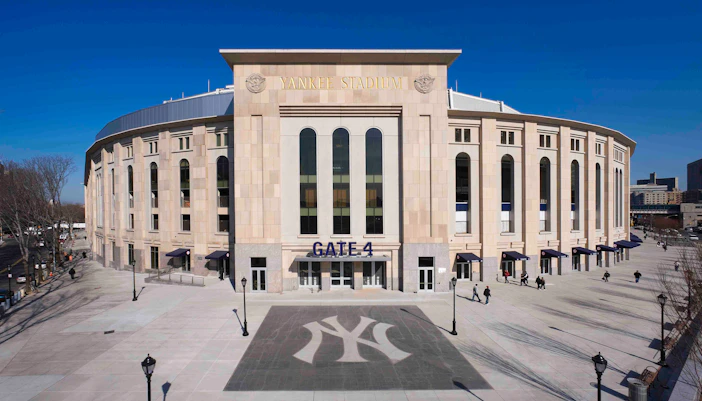
Which entrance should you use
Yankee Stadium uses different Gate 6 meeting points for tours, and that is what visitors get wrong most often. The gate number is the same, but the exact meeting point changes depending on whether you're on a Classic-style tour or arriving for a game.
- Guided tour entrance: Enter through the Hard Rock Cafe next to Gate 6. Best for Yankee Stadium Guided Tour with Monument Park and Yankees Museum. Expect a short check-in plus security screening.
- Pregame confusion to avoid: Don't join a general game crowd if your tour confirmation sends you to Gate 6, because tour groups check in separately.
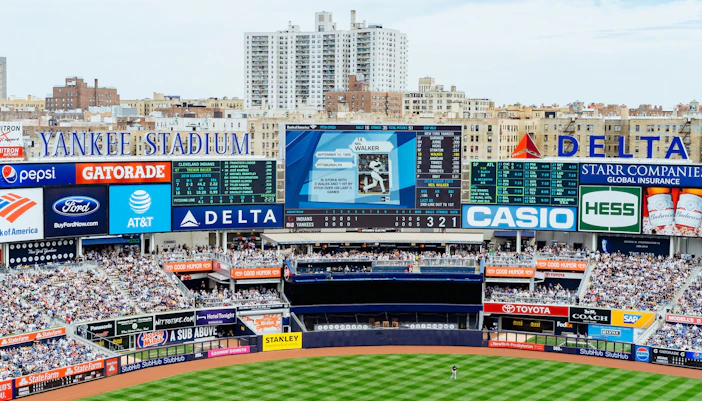
When is Yankee Stadium open
- Guided tours: Tours run on selected dates and times only, and you must book the timed slot in advance.
- Last entry: For tours, arrive before your scheduled start time; for games, entry follows the gate policy for that event.
When is it busiest: Weekends and home games from April to September are the heaviest periods, with the biggest pinch point at security shortly before first pitch.
When should you actually go: If Monument Park and the museum matter more than game atmosphere, book a non-game weekday tour so you spend less time in lines and more time at the actual highlights.
How do you get around Yankee Stadium
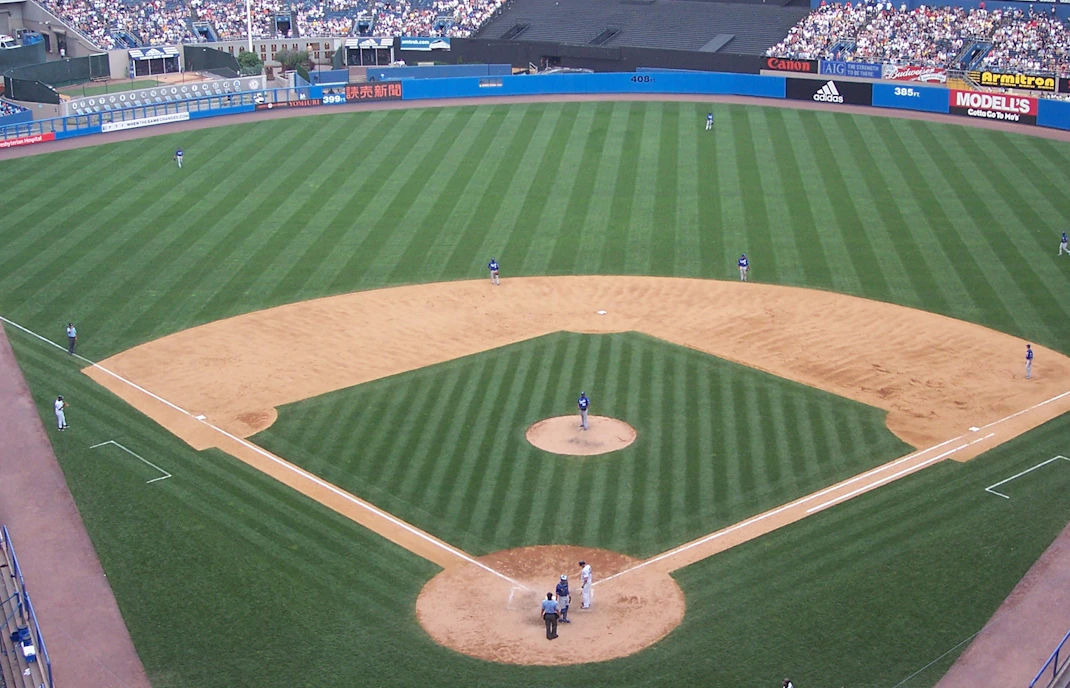
Stadium layout
Yankee Stadium is large enough to need a route, but compact enough that you won't feel lost once you understand the basic levels. The main focal points are split between the Great Hall, the seating bowl, Monument Park, and the museum, so knowing what matters to you before entry saves backtracking.
- Great Hall: Main arrival space with giant Yankees imagery and wayfinding → allow 5-10 min if you want photos instead of just passing through.
- Monument Park: Open-air memorial area for retired numbers and plaques → allow 10-15 min if access is available that day.
- New York Yankees Museum: Trophies, artifacts, and team history displays → allow 15-20 min if you want more than a quick walk-through.
- Seating bowl and concourses: Best for field views, concessions, and game-day atmosphere → allow as long as your ticketed event requires.
Suggested route: Start with the history stops if you're on a tour, because Monument Park and the museum are the easiest places to feel rushed later.

Maps and navigation tools
- Map: On-site stadium maps and section signage cover gates, seating, restrooms, and concessions → check the Yankees ballpark information pages before arrival if you want to orient yourself early.
- Signage: Wayfinding is good once you're inside, but the outside perimeter and Gate 6 meeting setup are where first-timers lose time.
- Audio guide/app: There is no dedicated audioguide for the public stadium tour experience → if you want context, the live guided tour adds more value than wandering solo.
💡 Pro tip: If you're doing a guided tour, screenshot your Gate 6 meeting instructions before you travel because the exact tour meet point matters more than the gate number alone.
What you can see on your Yankee Stadium guided tour
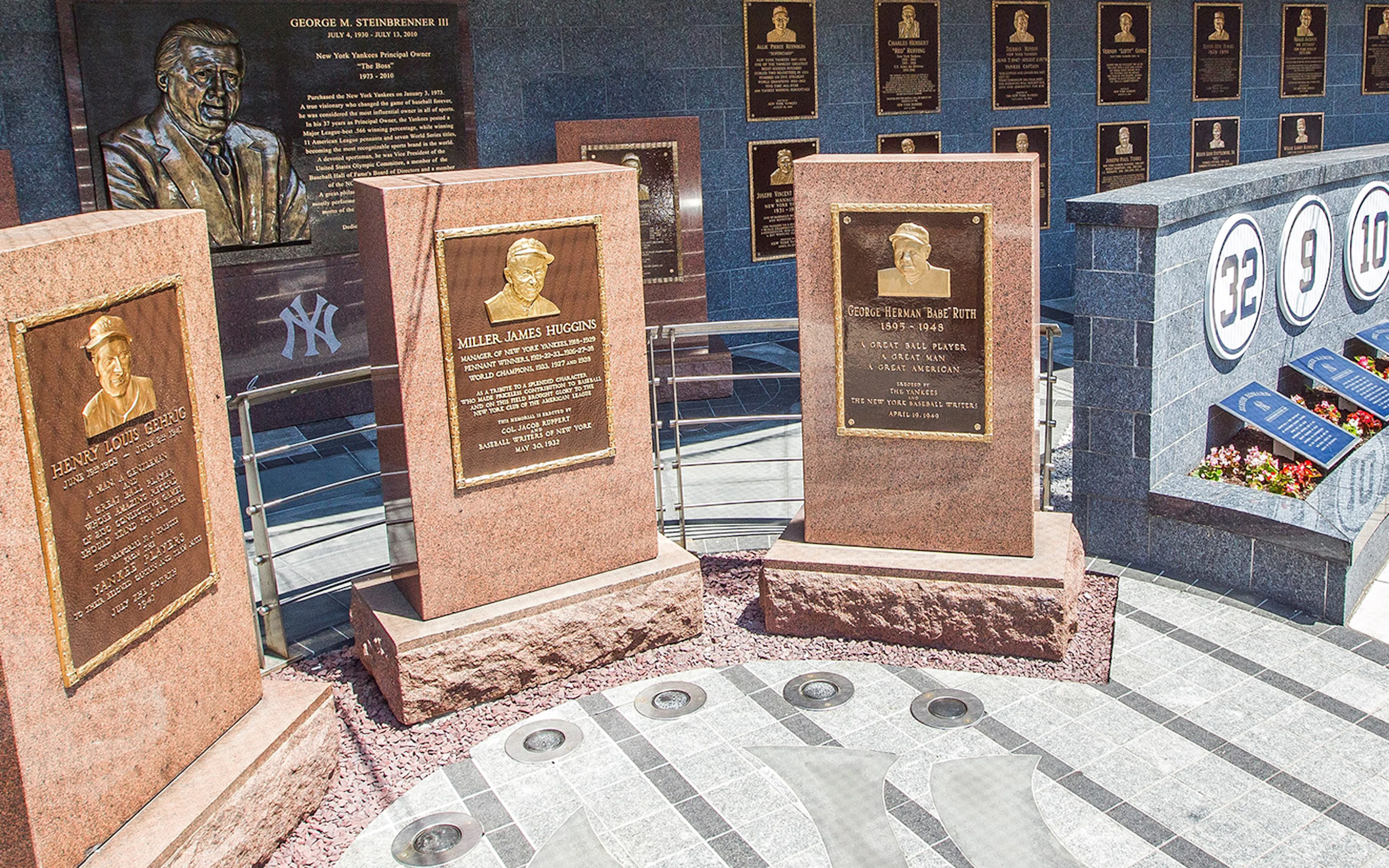
Monument Park
Attribute — Type: Open-air memorial
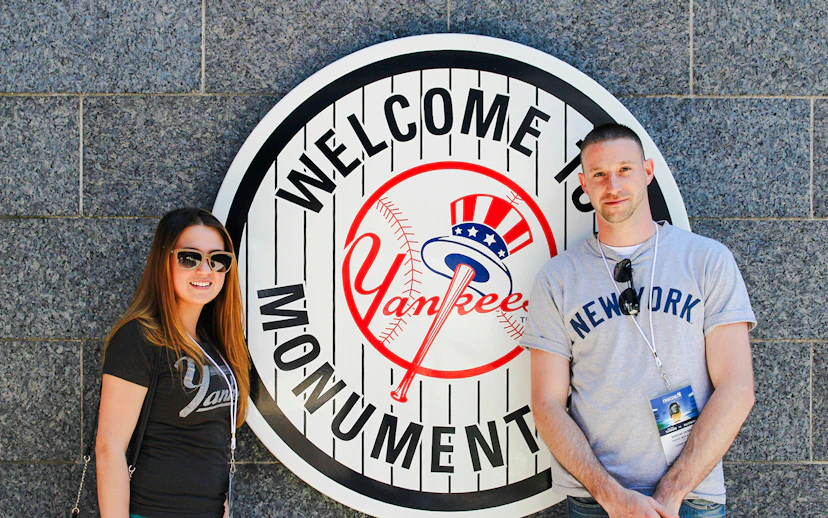
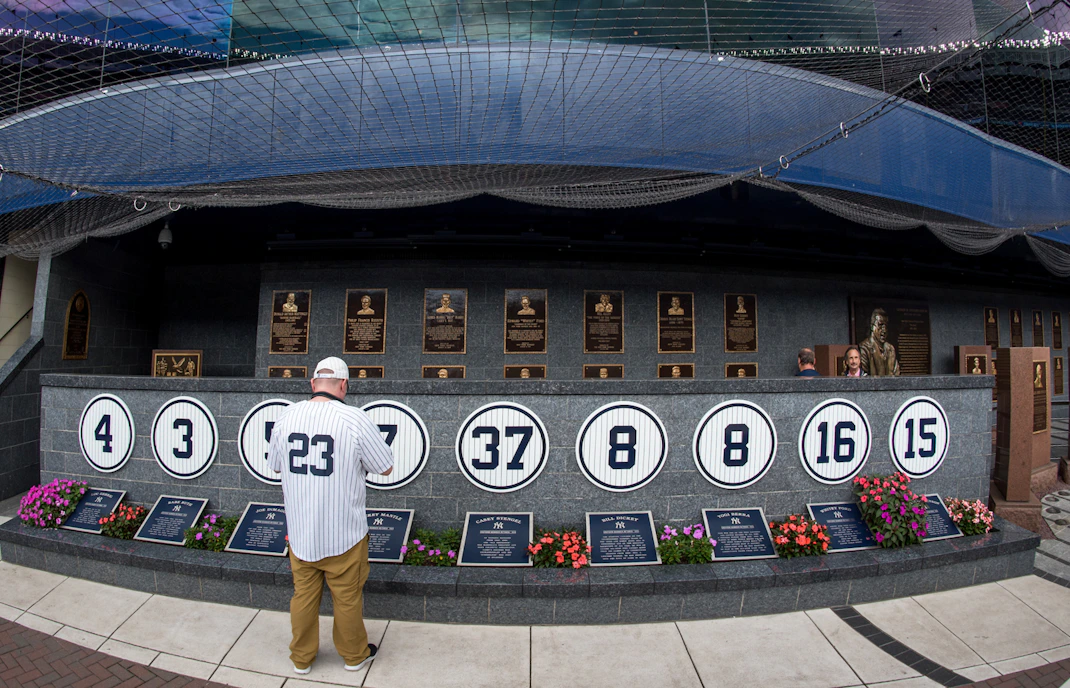
Monument Park is the most emotionally loaded stop inside Yankee Stadium, with plaques, retired numbers, and tributes to Yankees legends from Ruth to Jeter. It is worth slowing down for because this is where the stadium feels least like a modern sports venue and most like a baseball shrine. Most visitors read the biggest names and move on too fast, but the smaller plaques fill in the franchise's deeper history.
Where to find it: Beyond center field, accessed from the field-level concourse when open.
New York Yankees Museum
Attribute — Type: Team history museum
The Yankees Museum is where the franchise's trophy haul and memorabilia become tangible, not just something you hear about on the tour. It is worth your time because the displays turn abstract baseball history into actual objects and moments. Most visitors rush the cases after hearing the guide's summary, but this is the best place to linger if you care about the team's legacy.
Where to find it: Inside Yankee Stadium on the main public route near the Great Hall and concourse areas.
Great Hall
Attribute — Type: Arrival hall
The Great Hall is the stadium's dramatic first impression, with huge visuals, open space, and the kind of scale that game-day crowds intensify fast. It matters because it frames the visit and helps you understand the stadium's layout before you head deeper inside. Most people treat it as a walkway, but it is one of the easiest places for photos and orientation before lines build.
Where to find it: Just inside the main public entry area, before you branch toward concourses and sections.
Seating bowl and field view
Attribute — Type: Live game vantage point
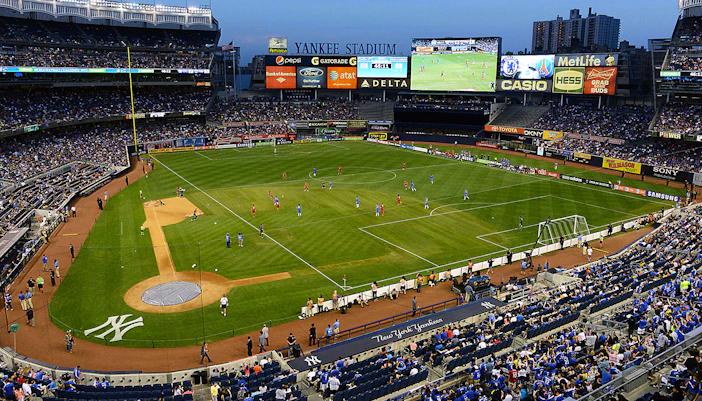
The seating bowl is where the stadium finally shifts from museum-like to fully alive, especially once warm-ups begin and the crowd settles in. Even if you're here for history, the field view is part of what gives the place its weight. Most visitors focus only on their own section, but taking a moment to look across the full bowl makes the scale click.
Where to find it: Through the main concourses and up to your assigned seating level or guided route viewpoint.
Facilities and accessibility
- 🎒 Bag policy: Bags larger than 16 in x 16 in x 8 in are not allowed inside, and there is no storage area at Yankee Stadium.
- 🚻 Restrooms: Restrooms are available throughout the stadium, and family or accessible restrooms are easiest to find near major concourse areas such as Sections 104 and 210.
- 🍽️ Food and drink: Stadium concessions cover the essentials on game days, and outside food is generally not allowed except for sealed water up to 1 L.
- 🛍️ Gift shop/merchandise: The Yankees Team Store is one of the easiest souvenir stops and is included as an access point on the guided tour route.
- 🪑 Seating/rest areas: Your best built-in rest points are the concourses, seating sections, and the pause points built into guided tours.
- 🅿️ Parking: Parking around the stadium is limited, which is why public transit is usually the easier option.
- ♿ Mobility: All Yankee Stadium tours are wheelchair accessible, and the stadium has ramps, elevators, accessible seating, and accessible restrooms across the public visitor areas.
- 👁️ Visual impairments: Service animals are permitted, and the stadium provides braille or large-print support in parts of the venue, such as concession and guest-service materials.
- 🧠 Cognitive and sensory needs: Non-game weekday tours are the easiest low-stress option, while home-game visits are much louder because of PA announcements, crowd noise, and tighter concourses near first pitch.
- 👨👩👧 Families and strollers: Strollers are workable on the main concourses, but they must be folded and stored when required, so the smoothest family route is elevator-based rather than stair-based.
Yankee Stadium works best for baseball-curious kids who will enjoy real sports atmosphere, big visuals, and a short burst of team history more than a long museum-style visit.
- 🕐 Time: 1 hour is realistic for a tour with young children, while a full game often feels long unless you build in food and movement breaks.
- 🏠 Facilities: Family restrooms and stroller-friendly concourses make logistics easier than many older stadiums, especially if you avoid the last-minute rush before first pitch.
- 💡 Engagement: Monument Park usually lands better with kids if you turn it into a quick name-and-number game instead of trying to read every plaque in order.
- 🎒 Logistics: Bring the smallest bag you can because oversize bags are refused and there is no storage area to rescue a bad packing decision.
- 📍 After your visit: The open areas around the stadium give kids room to decompress before you head back onto the subway.
Rules and restrictions
What you need to know before you go
- Entry requirement: Guided visits and games both use timed and date-specific tickets.
- Bag policy: Bags over 16 in x 16 in x 8 in are not allowed, and there is no on-site storage if you arrive with one.
- Re-entry policy: Once you leave, you should assume your visit is over, so finish the museum, shopping, and restroom stops before you exit.

Not allowed
- 🚫 Food and drink: Outside food is generally prohibited, though sealed water up to 1 L is allowed.
- 🚬 Smoking/vaping: Smoking and vaping are not allowed inside the stadium.
- 🐾 Pets: Pets are not allowed, but service animals are permitted.
- 🖐️ Behavior rules: Climbing, touching restricted stadium areas, or ignoring staff barriers can get you removed because this is an active event venue, not a free-roam attraction.
Photography
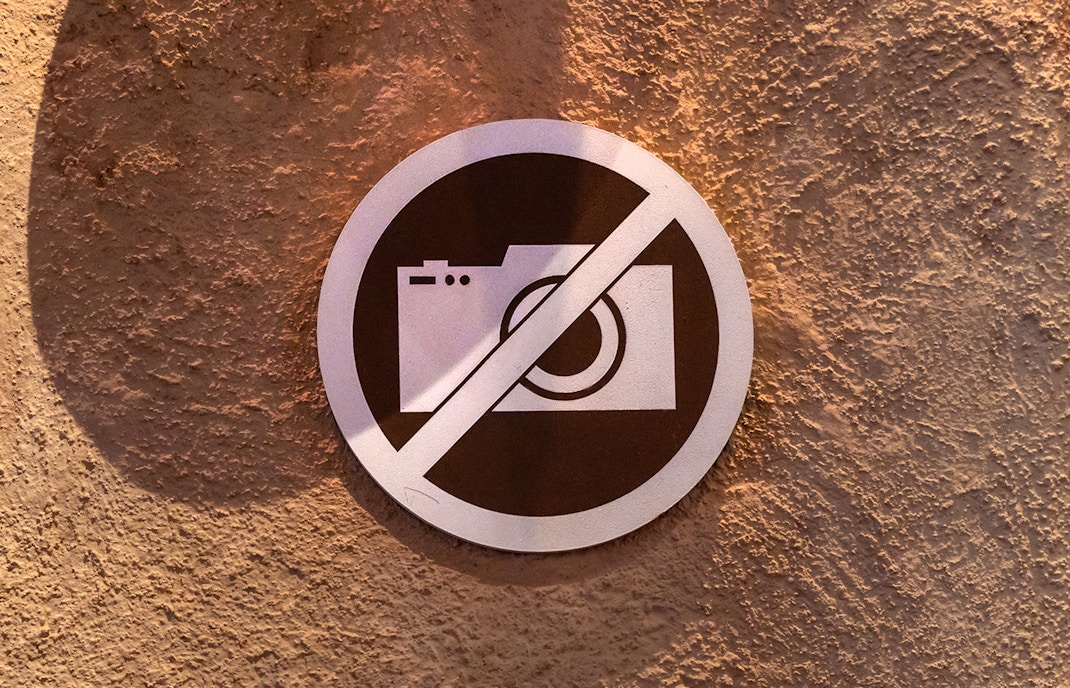
Personal photos are generally fine for normal visits, but professional cameras, drones, and large support gear are restricted. The practical distinction is less about one room versus another and more about whether your equipment interferes with event operations, crowd flow, or security rules. Flash is usually less of an issue than the gear itself, while tripods and similar setups are the items most likely to be stopped.
Good to know
- Monument Park access: Monument Park is one of the first things affected by game-day operations, so don't assume every date gives you the same route.
- Late arrivals: Arriving exactly at your tour start time is risky because security still applies even when your ticket is already booked.
Practical tips
- Booking and arrival: Book tours in advance and arrive at least 15 min early, because Gate 6 check-in is separate from game entry and security still takes time even with a pre-booked ticket.
- Pacing: If Monument Park is the main reason you're coming, choose a non-game weekday visit and treat the museum as your second slow-down stop instead of breezing through it behind the group.
- Crowd management: The calmest window is a non-game weekday tour, while the most stressful arrival is the 60-90 min before first pitch when security, food lines, and concourse traffic all peak together.
- What to bring or leave behind: Bring the smallest bag you can, because anything over 16 in x 16 in x 8 in is refused, and there is no storage counter to save the day.
What else is worth visiting nearby
Commonly Paired: Bronx Zoo
Distance: 6.4 km (4 mi) — about 20-30 min by transit
Worth knowing: This is the strongest family add-on if you're making a full day of the Bronx rather than a stadium-only trip.
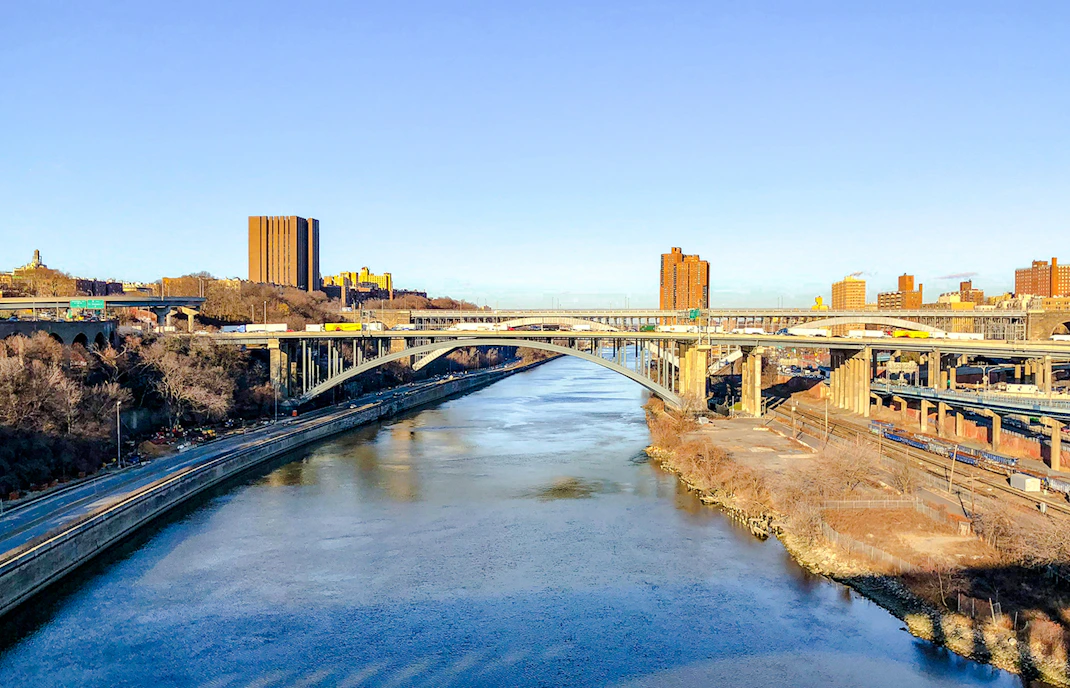
Commonly Paired: High Bridge
Distance: 4.8 km (3 mi) — about 15 min by bus
Why people combine them: It adds a completely different side of Bronx history and works well if your stadium visit is short and you still want another landmark nearby.
Book / Learn more
Eat, shop and stay near Yankee Stadium
- On-site: Hard Rock Cafe next to Gate 6 is the easiest sit-down option around tour check-in, while in-stadium concessions are the practical fallback on game days.
- Arthur Avenue: Best saved for after your visit rather than before it, because it gives you a much stronger Bronx food experience than rushing one more stadium meal.
- River Avenue and 161st Street area: Useful for quick coffee or a fast bite before entry when you do not want to commit to a full restaurant stop.
- In-stadium concessions: Best for classic game-day food once you are inside, but lines build quickly close to first pitch.
💡 Pro tip: If you're touring rather than attending a game, eat before you arrive because a 60-minute stadium tour moves fast and does not leave much room for a meal break.
- Yankees Team Store: This is the most useful merchandise stop for jerseys, caps, and stadium-specific souvenirs, and it is already built into the guided tour route.
- Arthur Avenue retail stops: Better for food gifts than team gear, so this works best if you want to leave with something Bronx-specific rather than another baseball cap.
Staying near Yankee Stadium only makes sense if your top priority is getting to the gates with almost no travel time. The immediate area is practical on a game or tour day, but it is not the most convenient or interesting base for a wider New York City trip. For most visitors, it works better as a place you visit than a neighborhood you stay in.
- Price point: You may find better value here than in Midtown, but the trade-off is fewer obvious tourist conveniences right outside your hotel door.
- Best for: Visitors with an early tour, a late game, or families who want the simplest possible stadium logistics for one specific date.
- Consider instead: Midtown Manhattan or the Upper West Side usually works better for longer stays because you get easier access to multiple neighborhoods, attractions, and late-night dining.
Frequently asked questions about visiting Yankee Stadium
Most guided visits take about 1-1.5 hours, while a full game-day visit usually takes 3-4+ hours. The guided tour itself is 60 minutes, but security, photos, and the Team Store can stretch that closer to 2 hours.
Yes, you should book in advance since guided tours run on selected dates and timed slots.
Arrive at least 15 minutes early for a guided tour if you want a calmer entry. The tour check-in point at Gate 6 is specific, and late arrivals lose the most time at security.
Yes, but only if it fits the stadium's size policy. Bags larger than 16 in x 16 in x 8 in are not allowed inside, and there is no storage area at Yankee Stadium. The safest move is to bring the smallest bag you can, so security is quicker, and you do not get turned away at the gate.
Yes, personal photos are usually allowed, but large professional equipment is restricted. The practical limit is the gear, not casual phone photography, so drones, tripods, and bulky camera setups are the items most likely to cause problems. If you're unsure, keep your setup simple and easy to carry through security.
Yes, it is family-friendly if you match the visit type to your child's attention span. A 60-minute tour is easier for most younger children than a full game, while older kids who enjoy sports atmosphere often do well with the longer game-day format. The main challenges are crowds, stairs, and bag restrictions, not the content itself.
Yes, the public visitor areas and stadium tours are wheelchair accessible. Elevators, ramps, accessible seating, and accessible restrooms are available, which makes the concourse route much easier than many older sports venues. Non-game weekday tours are also the calmer choice if you want less crowd pressure.
Yes, both inside and around the stadium. Game days come with standard ballpark concessions once you are through security, and Hard Rock Cafe by Gate 6 is the most obvious sit-down option around the tour entrance. If food matters more than speed, Arthur Avenue is the stronger post-visit detour.
No, Monument Park access can change with stadium operations and is most reliable on non-game tour dates. If it is the main reason for your visit, a weekday guided tour is the safer choice than assuming a game-day route will include the same access. This is one of the biggest expectation gaps for first-time visitors.