Wear comfortable shoes and keep your phone or camera ready since many rooms are designed for immersive photos and videos. Some spaces are darker or louder than others, so take short breaks between installations if needed.
Quick Information
ADDRESS
61 Chelsea Piers, New York, NY 10011, USA
RECOMMENDED DURATION
1 hour
Timings
10:00–19:00
TICKETS
From $43.54
EXPECTED WAIT TIME - STANDARD
0-30 mins (Peak), 0-30 mins (Off Peak)
Did you know?
Arte Museum New York is part of a global network of digital art museums, with sister locations in Asia and Europe.
The museum’s installations are created by internationally renowned digital artists and creative studios.
Many exhibits are fully interactive, allowing visitors to influence the visuals and soundscapes in real time.
Is Arte Museum New York worth visiting?
Yes, if you enjoy immersive experiences and interactive art. Arte Museum New York combines massive digital projections, music, and scent to make you feel like you’re walking inside moving landscapes and famous artworks rather than viewing them on a wall.
It’s especially worth visiting if you like photography, sensory exhibits, or unique indoor attractions in New York. Most people leave talking about how memorable and different it feels compared to a traditional museum.
What’s inside?
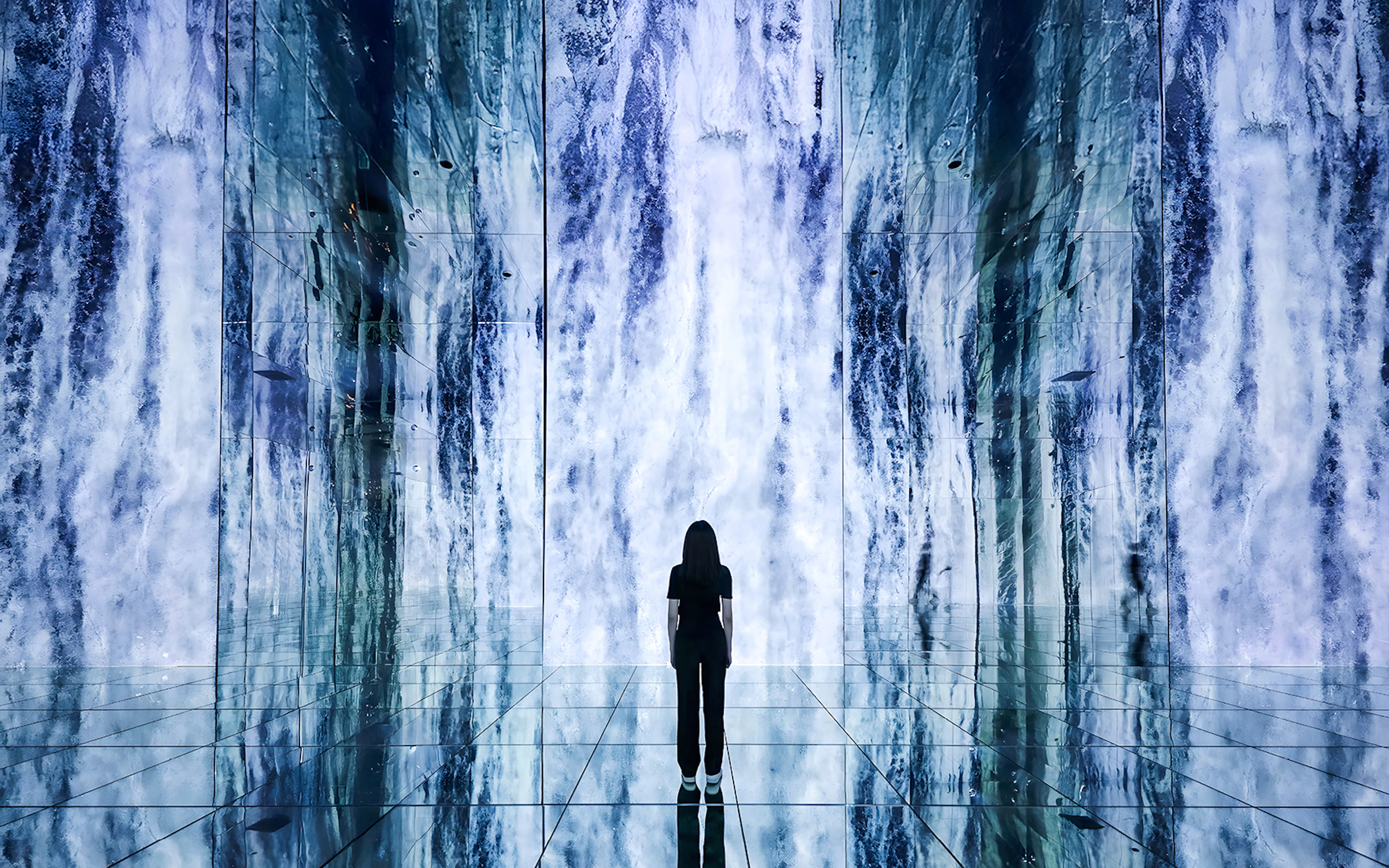
1/6
Waterfall Infinite
One of the opening rooms, this chamber wraps you in cascading digital water, reflected light, and low thunder. Arrive earlier in the day if you want calmer photos; it is one of the spaces where visitors naturally linger longest.
Tornado
A circular room where a virtual vortex spins around your body while floor projections and wind effects intensify the illusion. It draws crowds fast, especially later in the day, so wait a cycle if you want cleaner shots.
Musée d’Orsay collaboration room
This is where the show’s art-historical thread becomes clearest, with Monet and Van Gogh motifs reworked as moving landscapes. Give it time; the references reveal themselves gradually rather than all at once.
Live Sketchbook (Guardians)
The most hands-on stop. Draw on a tablet and watch your figures animate across the wall, which makes it especially popular with families. Budget extra minutes here; children often stay longer than adults expect.
New York is Art garden
A local-themed digital garden that folds New York imagery into the exhibition’s nature vocabulary. It usually feels calmer than the headline rooms, and late-day visits often give you more space to stand back and absorb it.
ARTE Café
The optional finale, where animated table projections continue the exhibition over tea or a smoothie. It adds about 15 minutes and works best if you want a slower ending rather than a quick exit to Chelsea Piers.
Your guide to exploring the museum
Plan to spend about 60–90 minutes here, or up to 2 hours if you want photos, time at Live Sketchbook, and a stop at Arte Café. The museum follows a simple, mostly one-way route, so it’s easy to explore at your own pace.
For the best experience, visit on a weekday or earlier in the day when the rooms are less crowded. If a space feels busy, wait a few minutes; the projections loop continuously, so you won’t miss anything.
Don’t miss Waterfall Infinite, Tornado, the Musée d’Orsay collaboration, and Live Sketchbook. End with Arte Café if you want a short, interactive break before leaving.
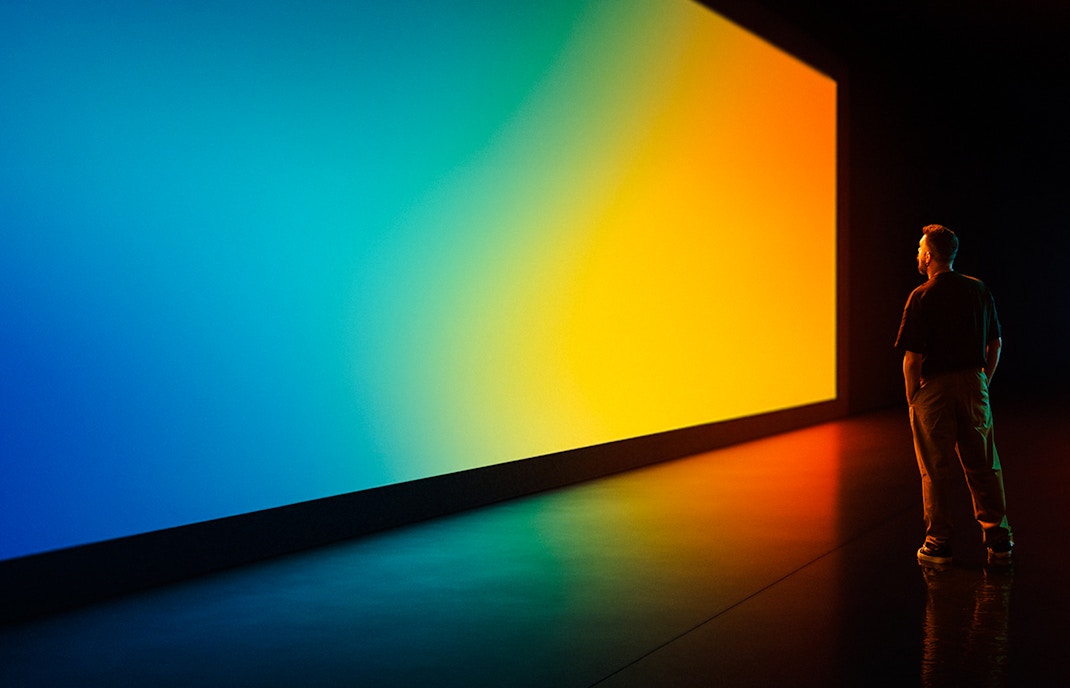
Visit strategy
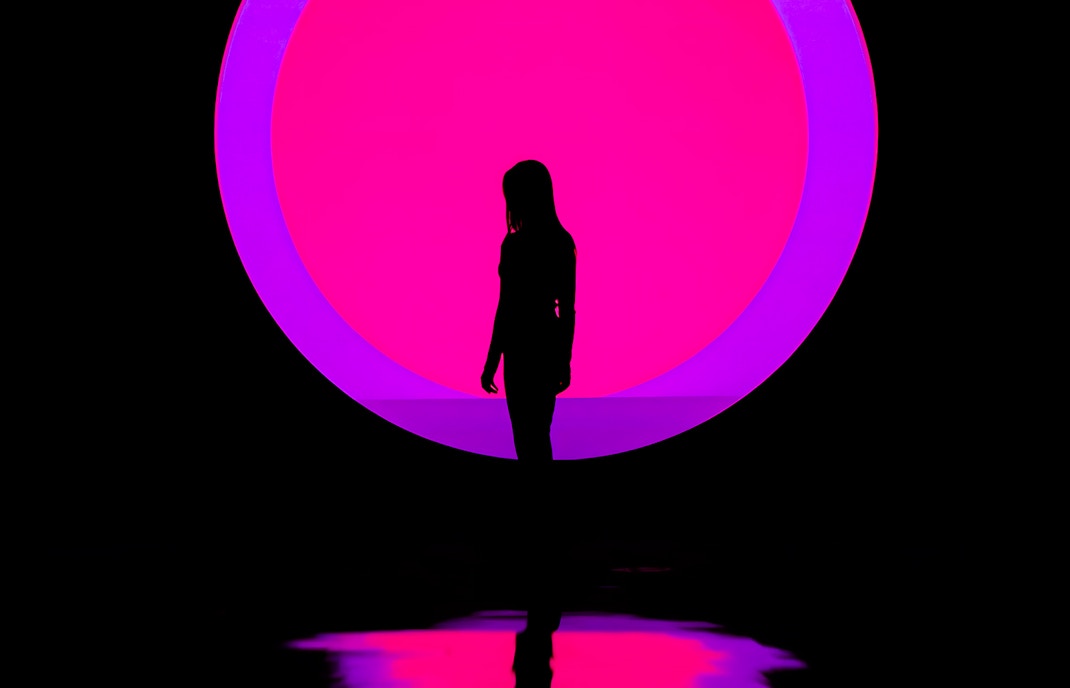
Best flow
Arte works best when you slow down and let each installation play through fully instead of moving quickly room to room. Stand toward the center of larger spaces for the best sound and projection effects.
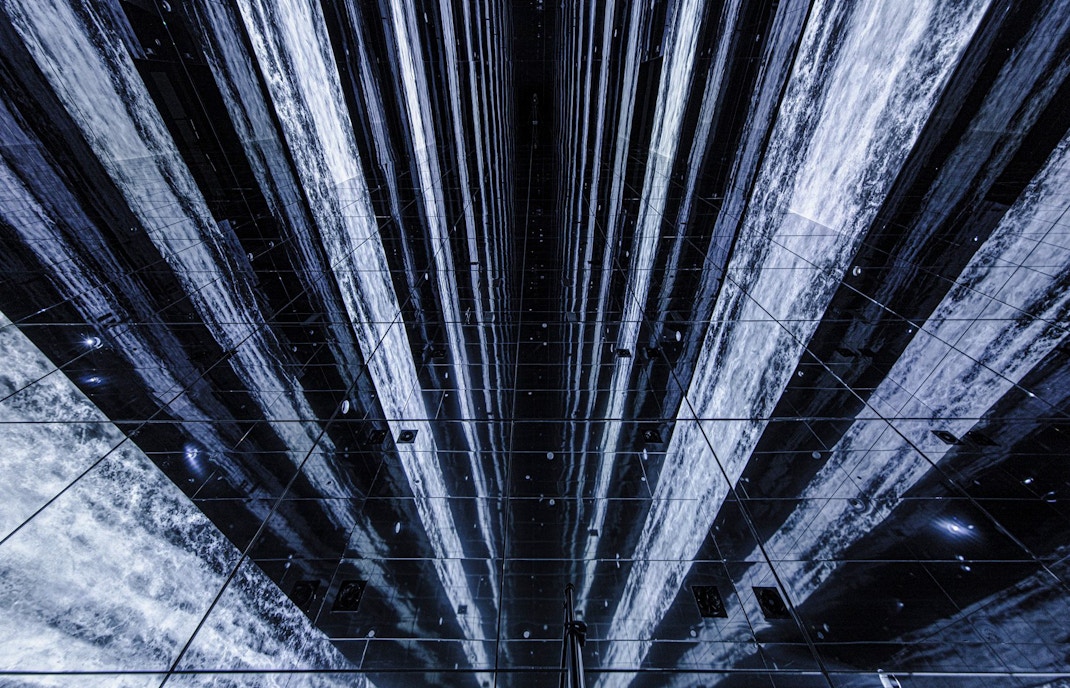
Priorities
Must-see: Waterfall Infinite, Tornado, the Musée d’Orsay collaboration room, and Live Sketchbook.
Optional: Arte Café for a 15-minute media-table finish, plus extra time in New York is Art for quieter photos.
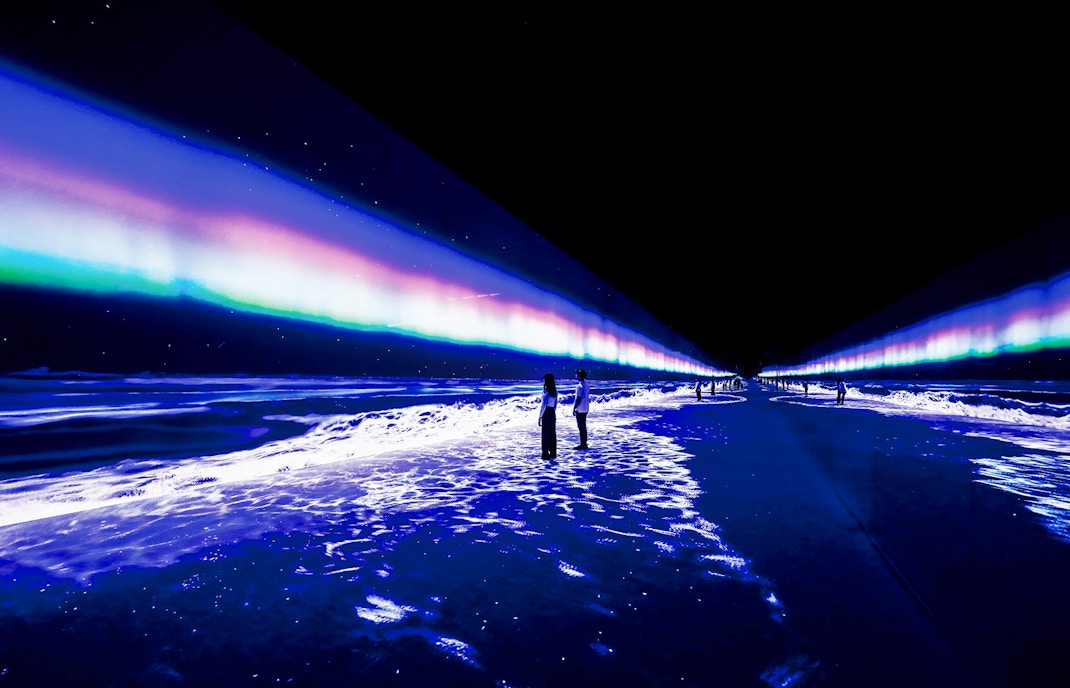
Self-paced
Arte is designed to be explored independently, with short descriptions and visual storytelling guiding you through each room.
Brief history of the Arte Museum
- 2020: d'strict expands the Arte Museum concept globally, focusing on large-scale immersive digital art experiences.
- 2022–2025: Arte Museum and Musée d'Orsay collaborate on a digital reinterpretation of Impressionist masterpieces, later featured in the New York venue. The partnership is officially described as a three-year collaboration.
- 2025: Arte Museum New York opens at Chelsea Piers in Manhattan, bringing the brand’s “Eternal Nature” concept to New York.
- Today: The museum is known for its immersive projection rooms, multisensory design, and Musée d’Orsay collaboration featuring artists like Monet and Van Gogh.
Who built Arte Museum New York?
Arte Museum New York was created by the South Korean digital design company d’strict, the team behind the global Arte Museum brand. Rather than focusing on a single architect, the experience combines large-scale projection design, soundscapes by composer Young-gyu Jang, and custom fragrances by perfumer Marianne Nawrocki Sabatier to turn digital art into a fully immersive, multisensory environment.
A look at the architecture
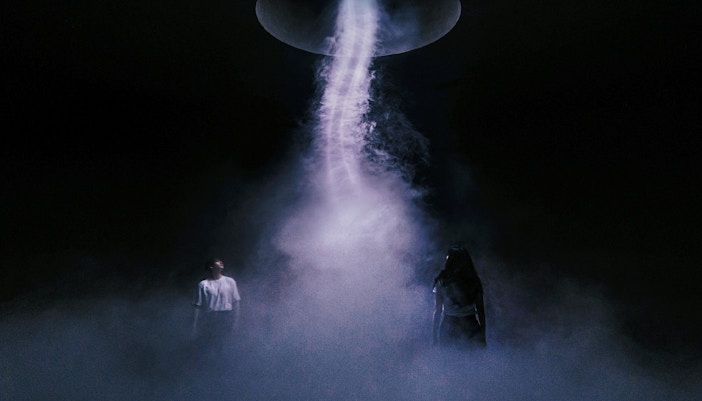
Style
Black-box immersive design. The darkened interiors remove visual distractions so projection, movement, and sound become the dominant spatial elements.
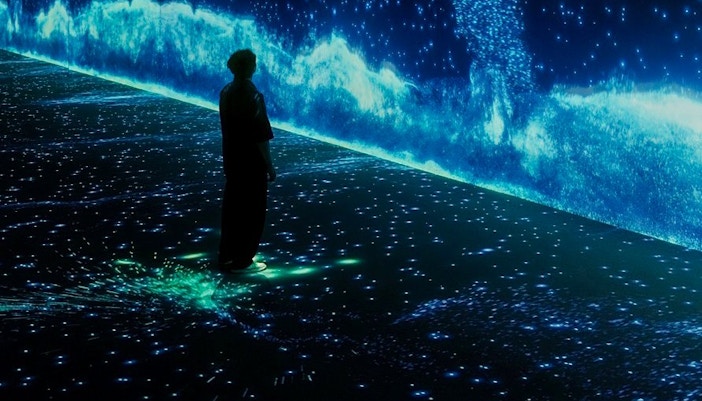
Materials
Matte black walls, projection-ready surfaces, reflective flooring, and enclosed rooms help control light and intensify color and motion effects.
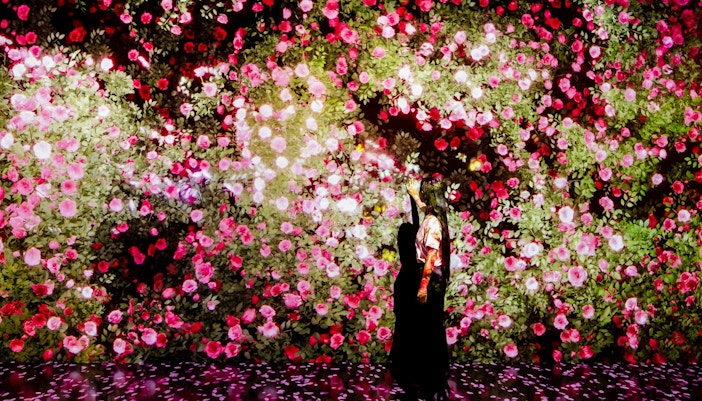
Projection system
Large-scale floor-to-ceiling projections, synchronized audio, and scent cues transform minimal spaces into digital landscapes like waterfalls, storms, and blooming gardens.
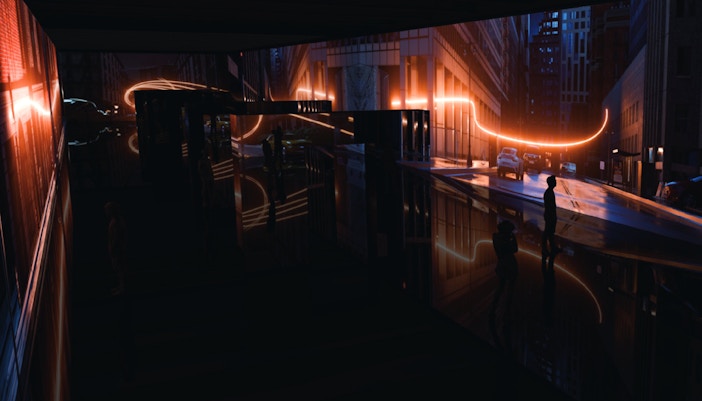
Spatial layout
The exhibition follows a mostly linear room-to-room flow, designed to guide visitors through changing moods and environments without complicated navigation.
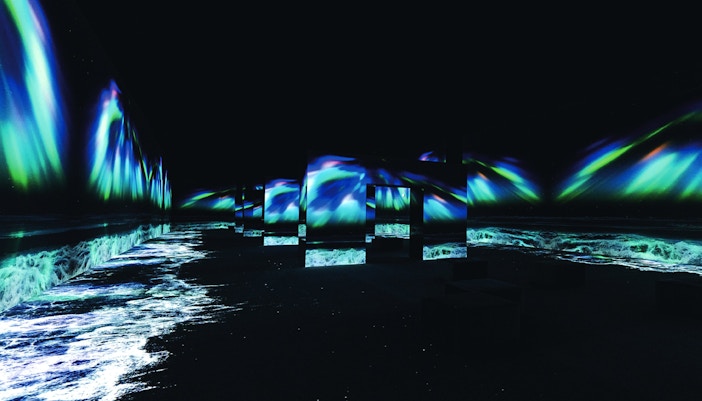
On the ground
Because the rooms are intentionally minimal, visitors become more aware of shifting light, echo, scale, and movement throughout the space.
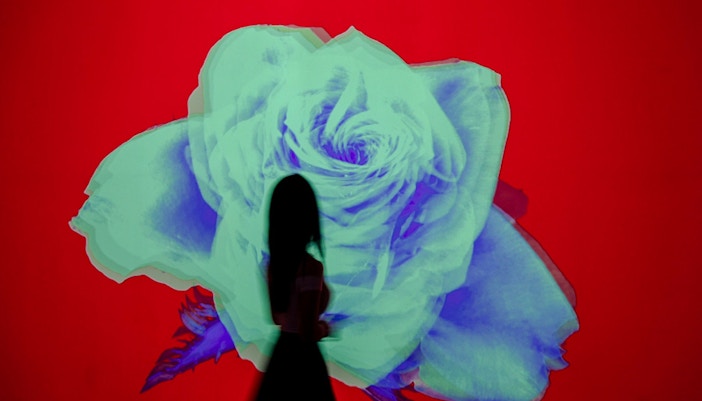
Design team
The experience was developed by d’strict and Arte Museum’s exhibition designers, with sound by Young-gyu Jang and fragrance design by Marianne Nawrocki Sabatier.
Frequently asked questions about Arte Museum New York
Yes, especially if you enjoy immersive art, interactive exhibits, and photography. The experience combines digital projections, music, and scent to create rooms you walk through rather than traditional galleries you simply look at.
Most visitors spend around 60–90 minutes inside Arte Museum New York. If you want extra time for photos, interactive exhibits, or the café experience, plan for up to 2 hours.
Waterfall Infinite, Tornado, Live Sketchbook, and the Musée d’Orsay collaboration are usually considered the highlights. These rooms combine large-scale visuals, sound, and movement most effectively.
Yes, Arte Museum New York works well for families with older children and teens. Some rooms are dark, loud, or highly immersive, so very young children may find parts of the experience overstimulating.
Yes, booking ahead is recommended because entry is timed and popular slots can sell out, especially on weekends and holidays.
The standard admission ticket covers the exhibition, while some bookings let you upgrade your visit to include the Arte Café experience. The café features themed drinks and interactive media-table visuals.
Weekday mornings and early afternoons are usually the quietest times to visit. If you want fewer crowds and better photo opportunities, avoid late afternoons and peak weekend hours.


