National September 11 Memorial & Museum
9/11 Memorial and Museum Architecture: Reflecting voids, bronze names, and bedrock remembrance
Low, quiet, and deliberately restrained above ground, the 9/11 Memorial and Museum is designed as an architectural response to loss rather than a conventional monument. Memorial architect Michael Arad, working with landscape architect Peter Walker, shaped the site around absence: twin voids, flowing water, and a grove of trees where the Twin Towers once stood. Below, the museum by Davis Brody Bond, with the entry pavilion by Snøhetta, takes you down into the original World Trade Center foundations. Together, these spaces turn skyline, landscape, and excavation into a sequence of memory—one you’ll understand more deeply when you know what to look for.
{jumplink target="Quick overview of the architecture of 9/11 Memorial and Museum" text="Quick overview"}
{jumplink target="Architectural style(s) & influences" text="Styles & influences"}
{jumplink target="Architectural highlights of the 9/11 Memorial and Museum / Design highlights & iconic features" text="Highlights"}
{jumplink target="Who designed/built 9/11 Memorial and Museum?" text="Who designed it?"}
{jumplink target="History of 9/11 Memorial and Museum’s architecture / Stages of construction" text="History"}
{jumplink target="The exterior of 9/11 Memorial and Museum" text="Exterior"}
{jumplink target="The interior of 9/11 Memorial and Museum" text="Interior"}
{jumplink target="Best 9/11 Memorial and Museum tickets & tours to explore its architecture" text="Tickets & tours"}
{jumplink target="Frequently asked questions about 9/11 Memorial and Museum’s architecture" text="FAQs"}
Quick overview of the architecture of 9/11 Memorial and Museum
Official name
Location
180 Greenwich St, Lower Manhattan, New York (Google Maps: ‘9/11 Memorial & Museum’)
Category
Memorial plaza and underground history museum
Memorial opened
September 11, 2011
Museum opened
May 2014
Site scale
Roughly 8 acres (3.2 ha) above ground; museum descends about 21 m (70 ft)

Main styles
Minimalist memorial design, contemporary landscape architecture, and restrained Modernism
Lead designers
Michael Arad, Peter Walker, Davis Brody Bond, and Snøhetta
Signature fact
Two 1-acre reflecting pools occupy the exact footprints of the Twin Towers
Architectural style(s) & influences
The site combines Minimalism — a stripped-back design language that removes ornament — with landscape architecture, where trees, paving, movement, and sound shape the experience as much as walls do. Instead of a heroic statue or triumphal arch, the memorial uses emptiness, water, and repetition. That makes it feel closer to a carefully composed urban landscape than a traditional monument.
The museum adds a more Modernist layer: glass, steel, exposed structure, and an honest display of damaged foundations. The overall effect is almost cinematic. Above ground, the plaza opens like a pause in Lower Manhattan’s dense street grid; below ground, the architecture reveals the buried city and the original World Trade Center engineering. You can spot the contrast clearly in person: quiet horizontal surfaces at the memorial, then a dramatic descent into raw concrete, steel, and bedrock.
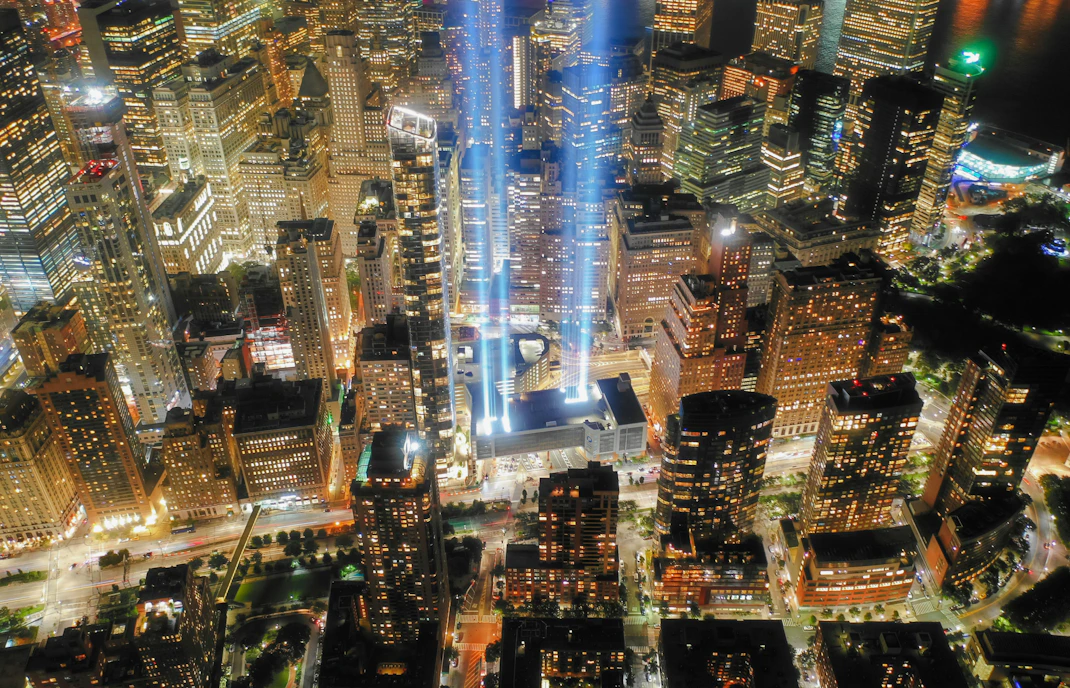
Memorial plaza from above
Aerial view showing the 2 square reflecting pools within the original Twin Towers’ footprints, surrounded by white oak trees and the new World Trade Center towers.
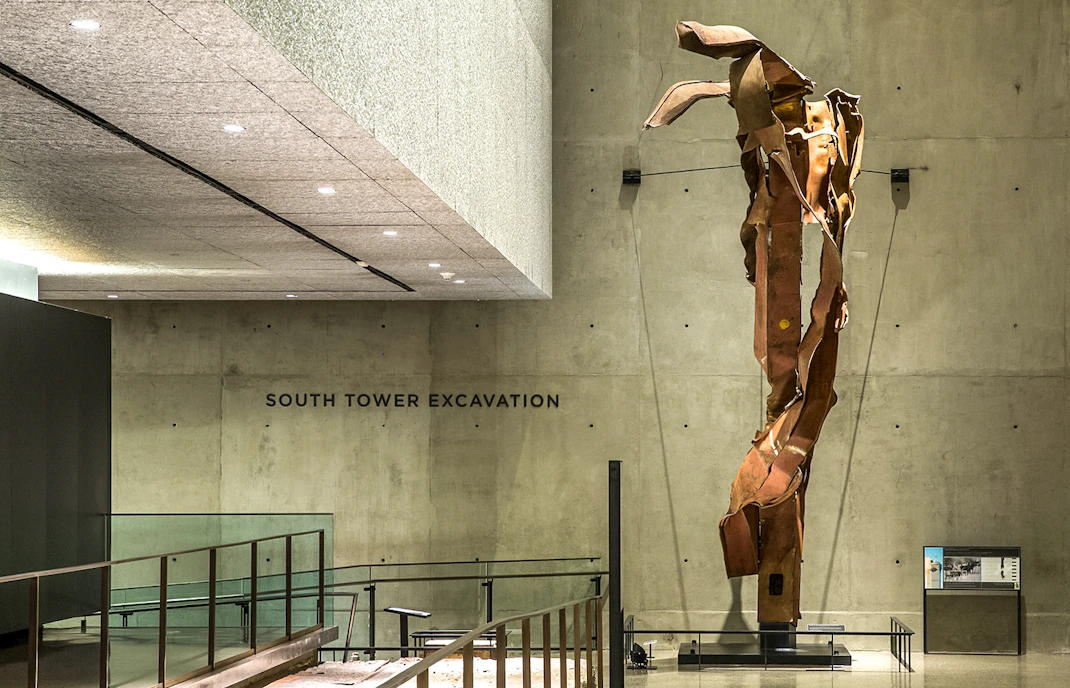
Museum pavilion and tridents
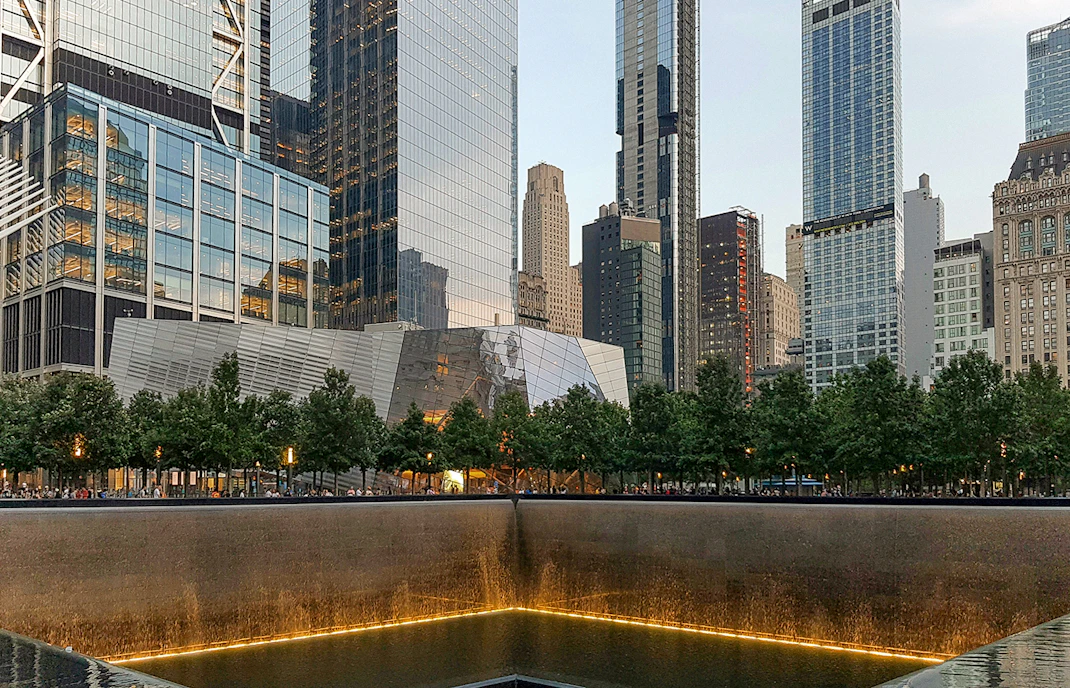
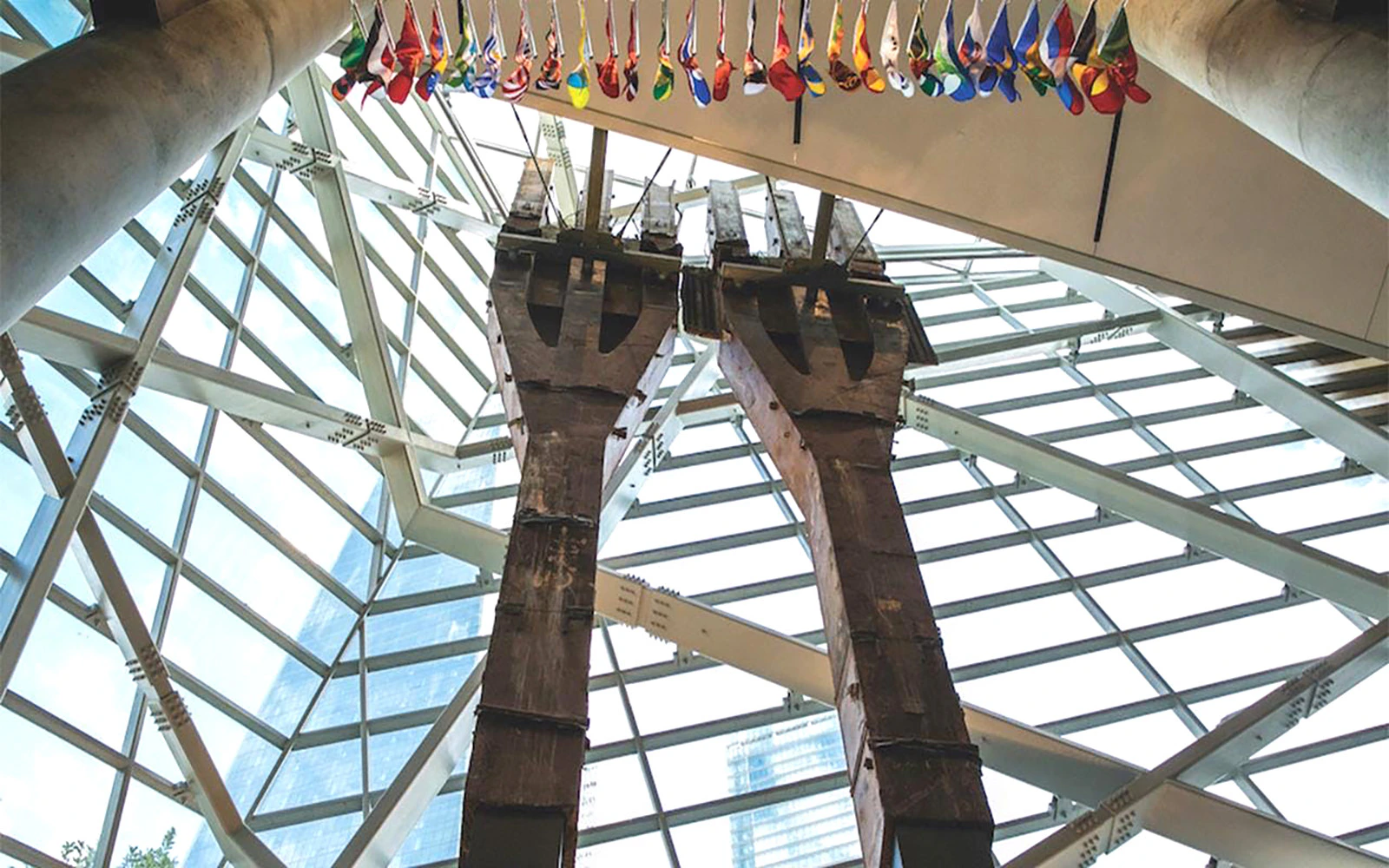
Angular glass pavilion with 2 towering steel trident columns visible inside, backed by surrounding skyscrapers.
Architectural highlights of the 9/11 Memorial and Museum / Design highlights & iconic features
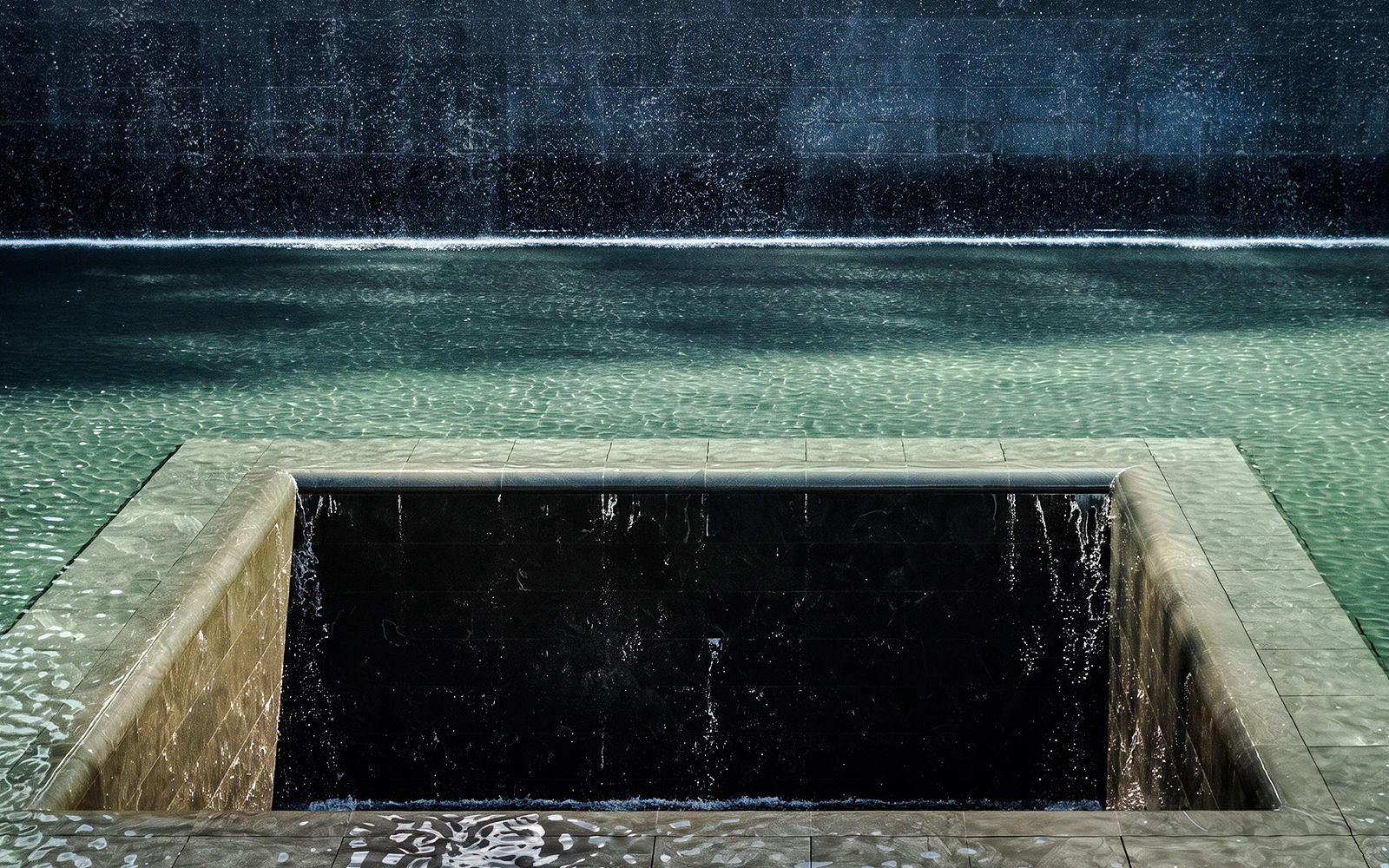
Reflecting pools
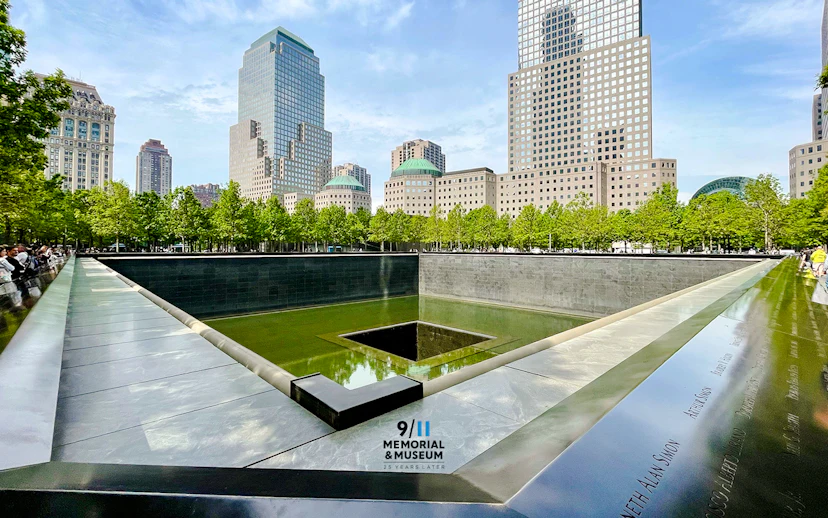
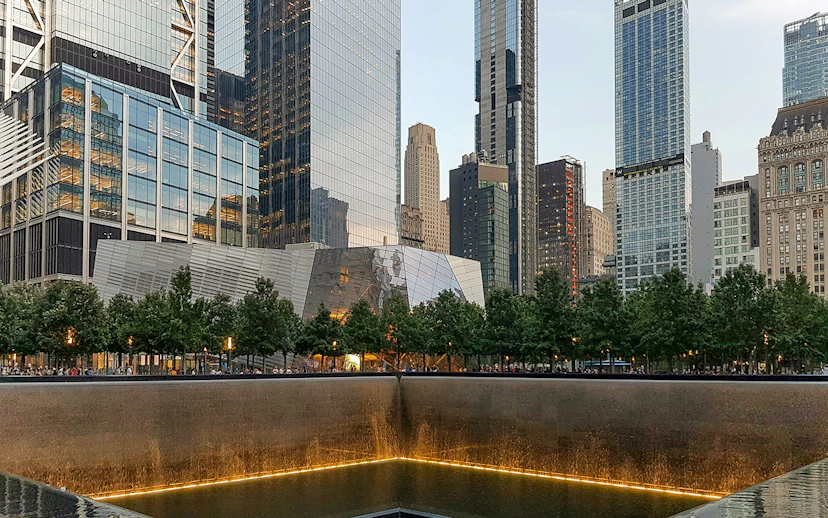
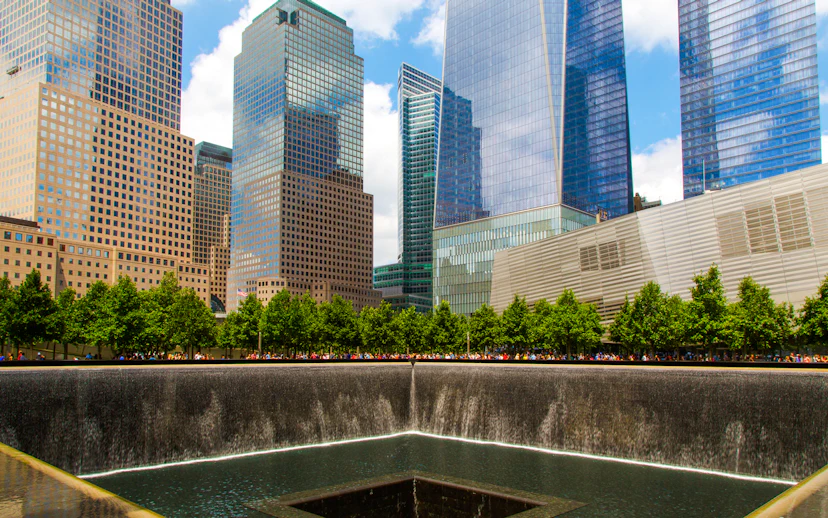
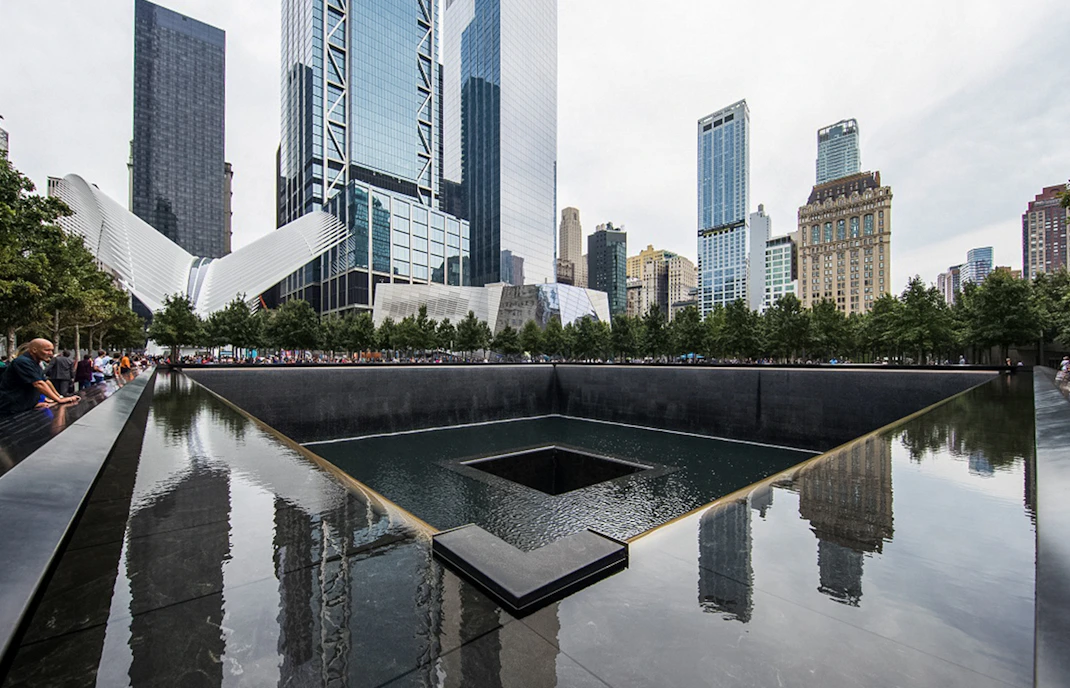
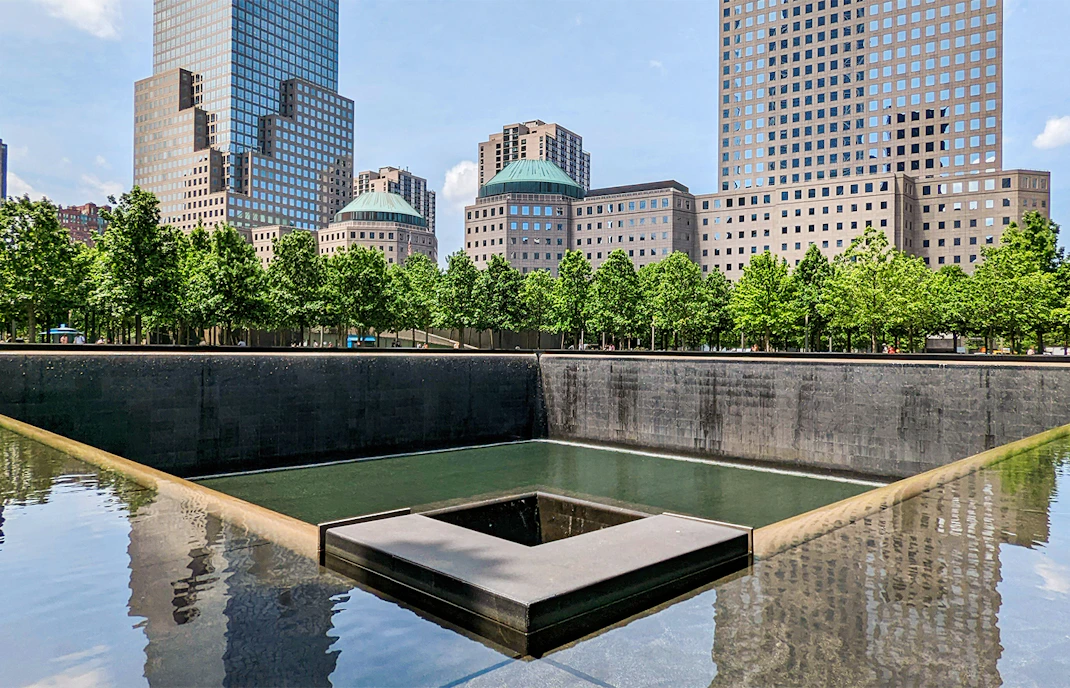
Each vast pool fills a tower footprint, with water dropping nearly 9.1 m (30 ft) down all 4 sides before disappearing into a smaller central void.
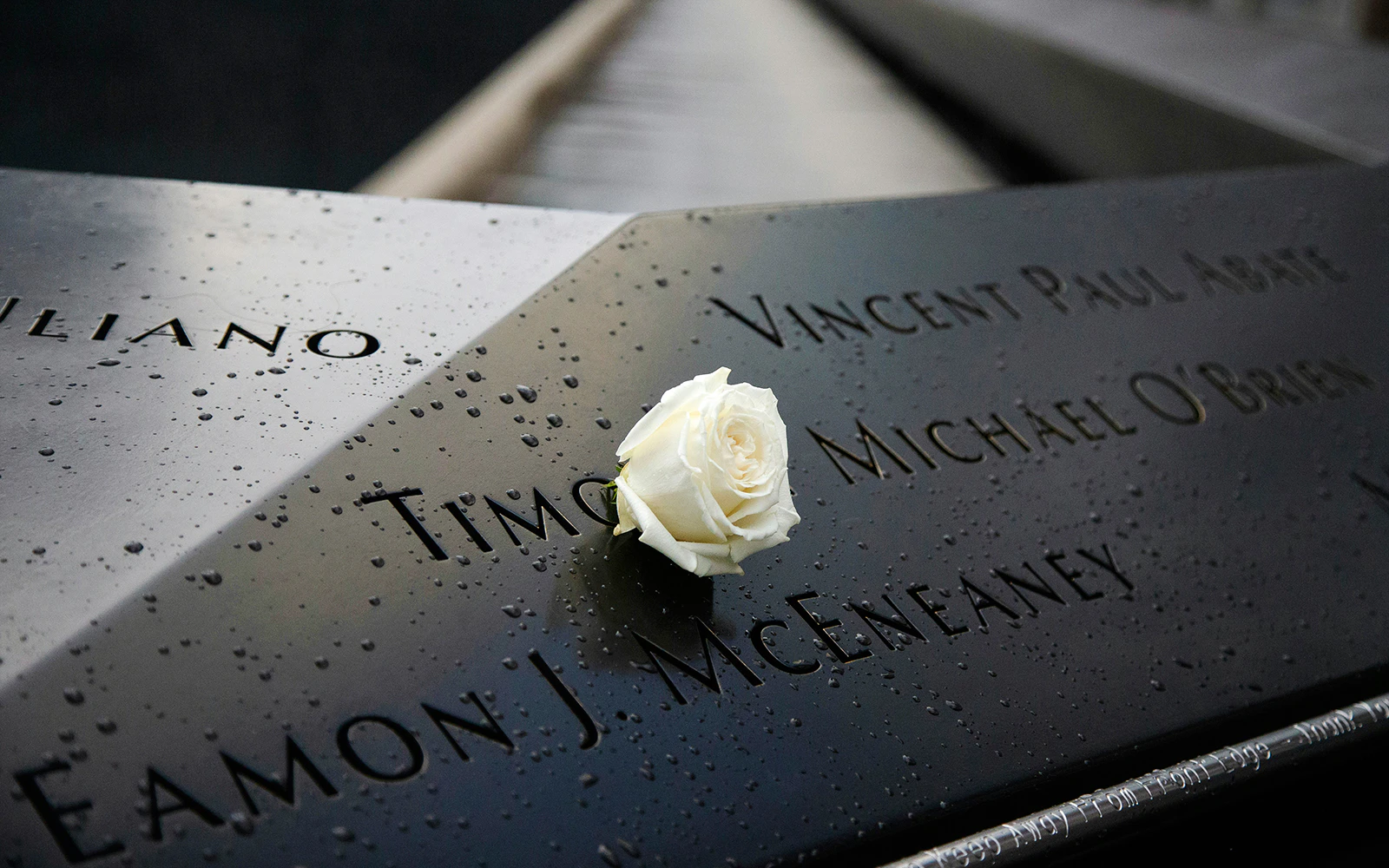
The competition and core idea
After the attacks, the World Trade Center site required both rebuilding and remembrance. An international design competition drew thousands of submissions, and Michael Arad’s concept, later developed with Peter Walker, was selected for its powerful central idea: mark the towers through absence, not replacement. The footprints themselves became the memorial.
Building the memorial plaza
As the wider World Trade Center master plan took shape, the memorial had to work within an active construction zone surrounded by future towers, transit links, and security needs. The plaza opened on September 11, 2011, with the twin pools, bronze parapets, and white oak grove already establishing the site’s low, contemplative character.
Excavating the museum below
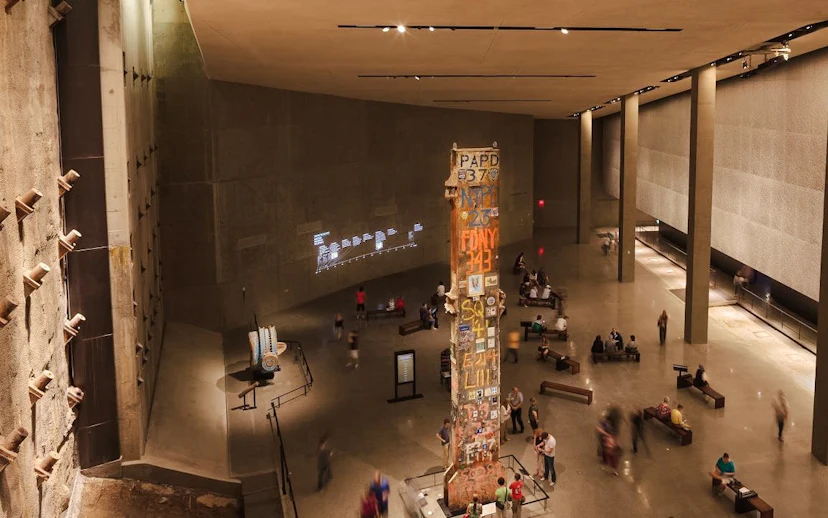
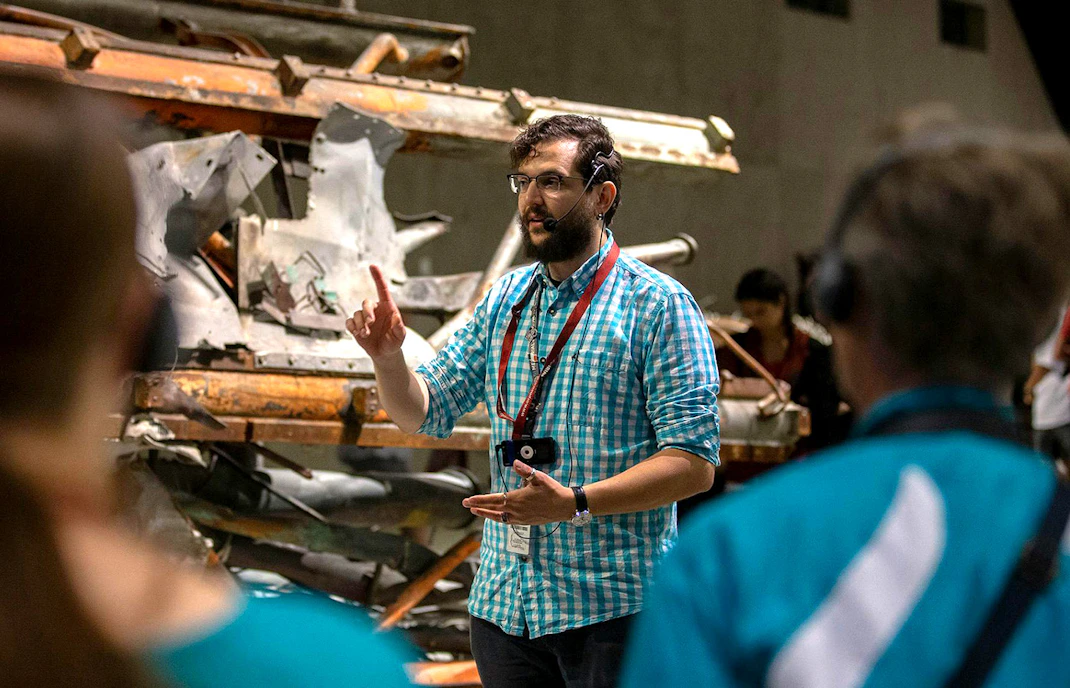
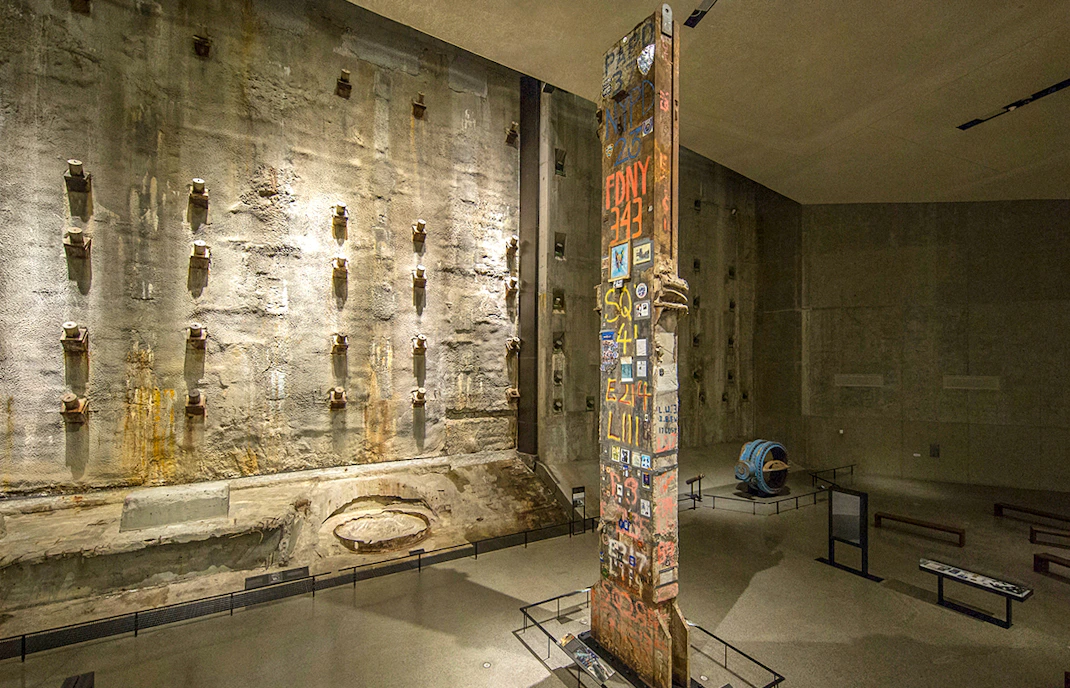
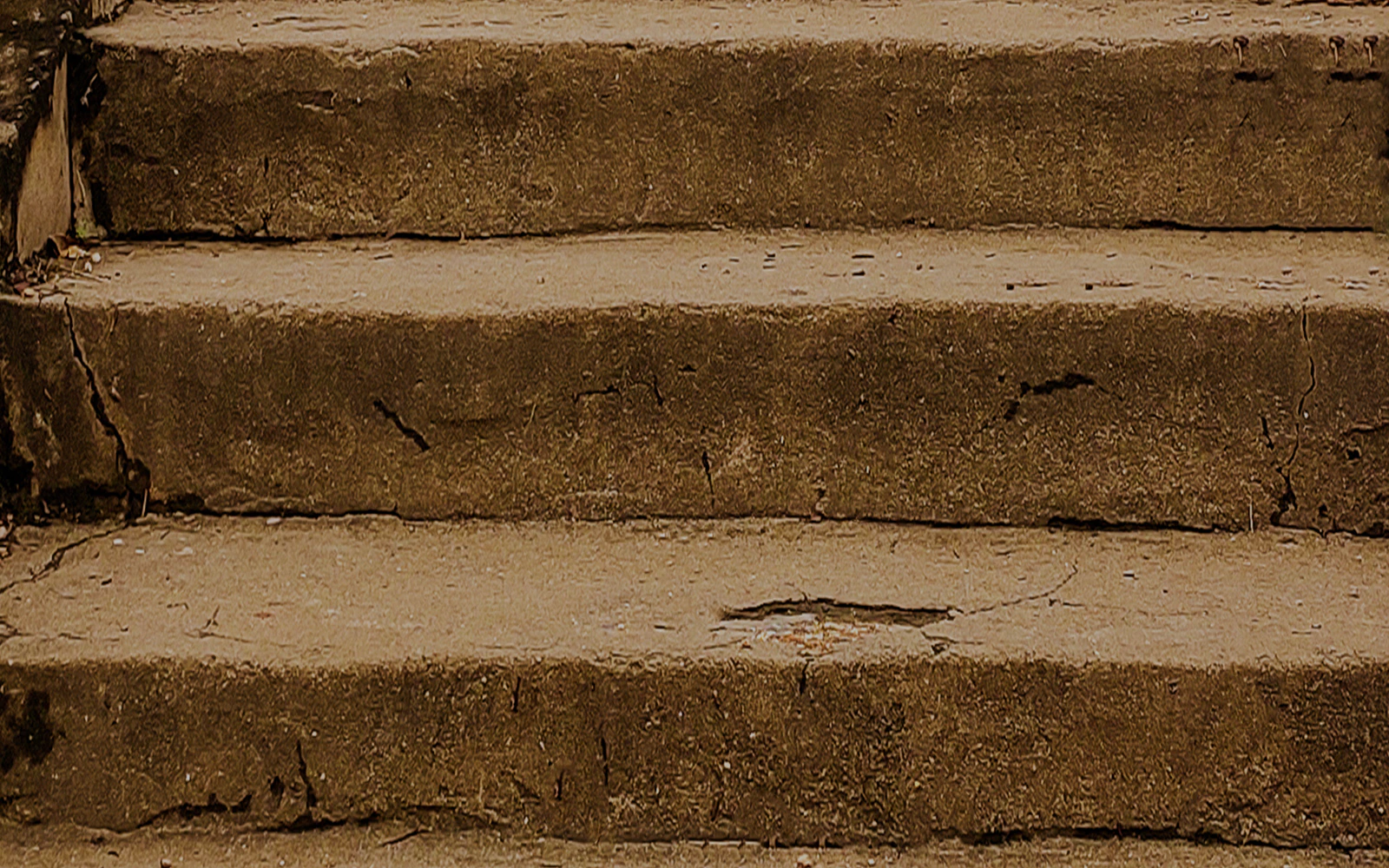
The museum demanded a different architectural approach. Instead of starting fresh, designers built around original remnants, including the slurry wall, Survivors’ Stairs, and later the Last Column in Foundation Hall. The museum opened in 2014, turning preserved structure into the heart of the visitor journey.
Ongoing evolution
Later additions, including Memorial Glade, extended the commemorative landscape while preserving the memorial’s restrained tone.
Read more about the history of the 9/11 Memorial and Museum.
The exterior of 9/11 Memorial and Museum
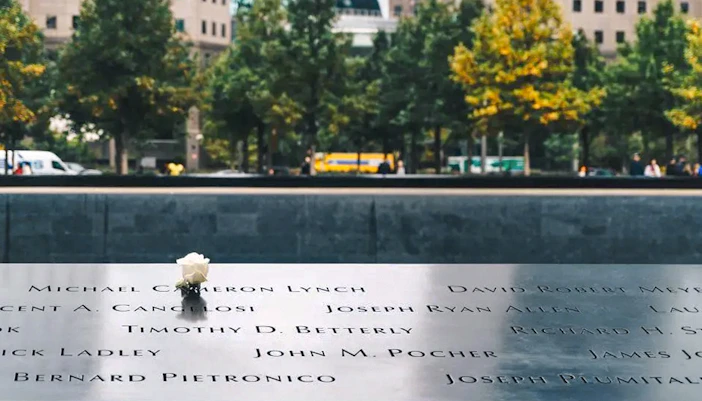
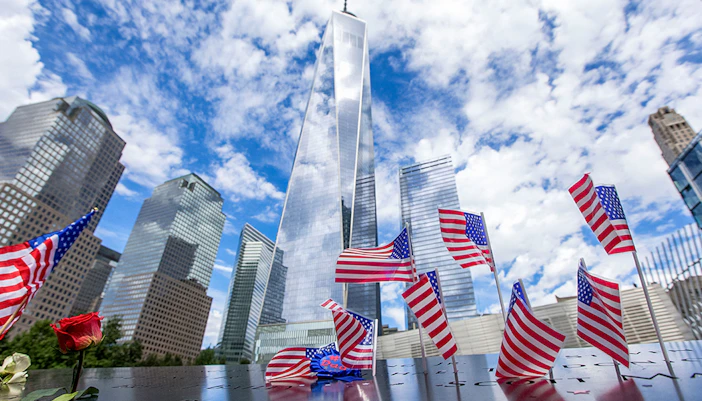
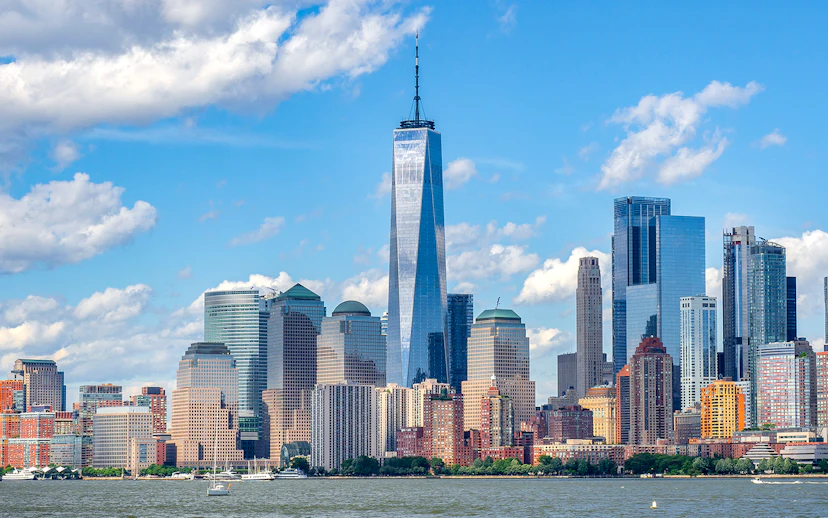
From a distance, the memorial doesn’t rise above Lower Manhattan — it sinks into it. Surrounded by tall new office towers, including One World Trade Center, the site reads as a calm clearing in the city’s dense fabric. As you approach, the geometry becomes clearer: 2 immense square voids, paved walkways, rows of swamp white oaks, and bronze parapets tracing the lost towers with measured precision.
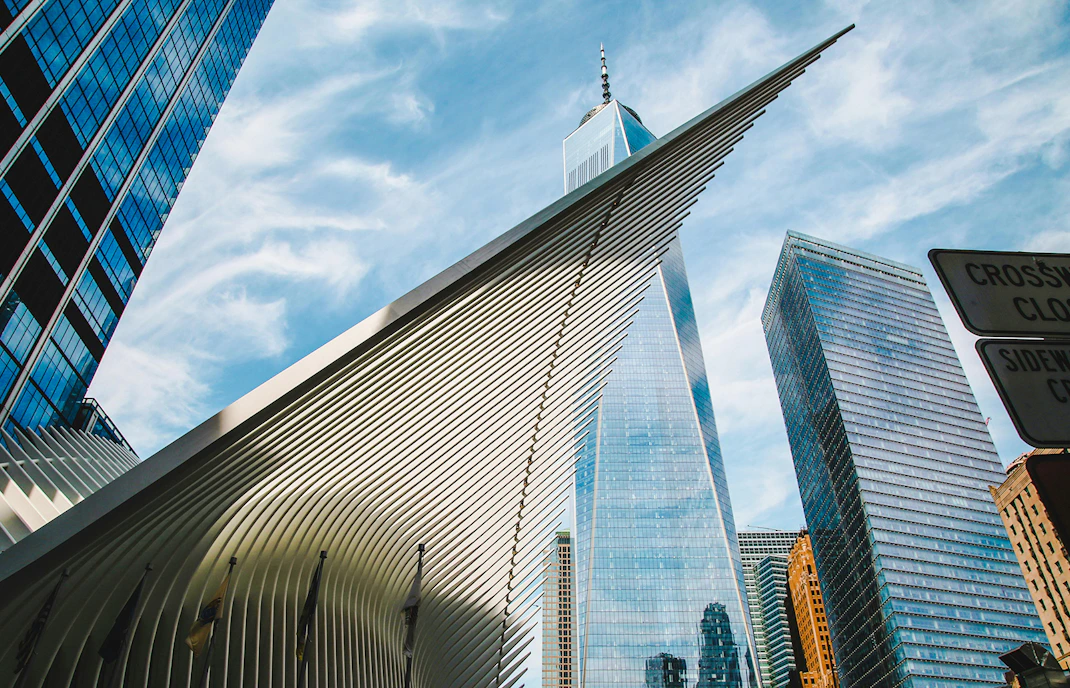
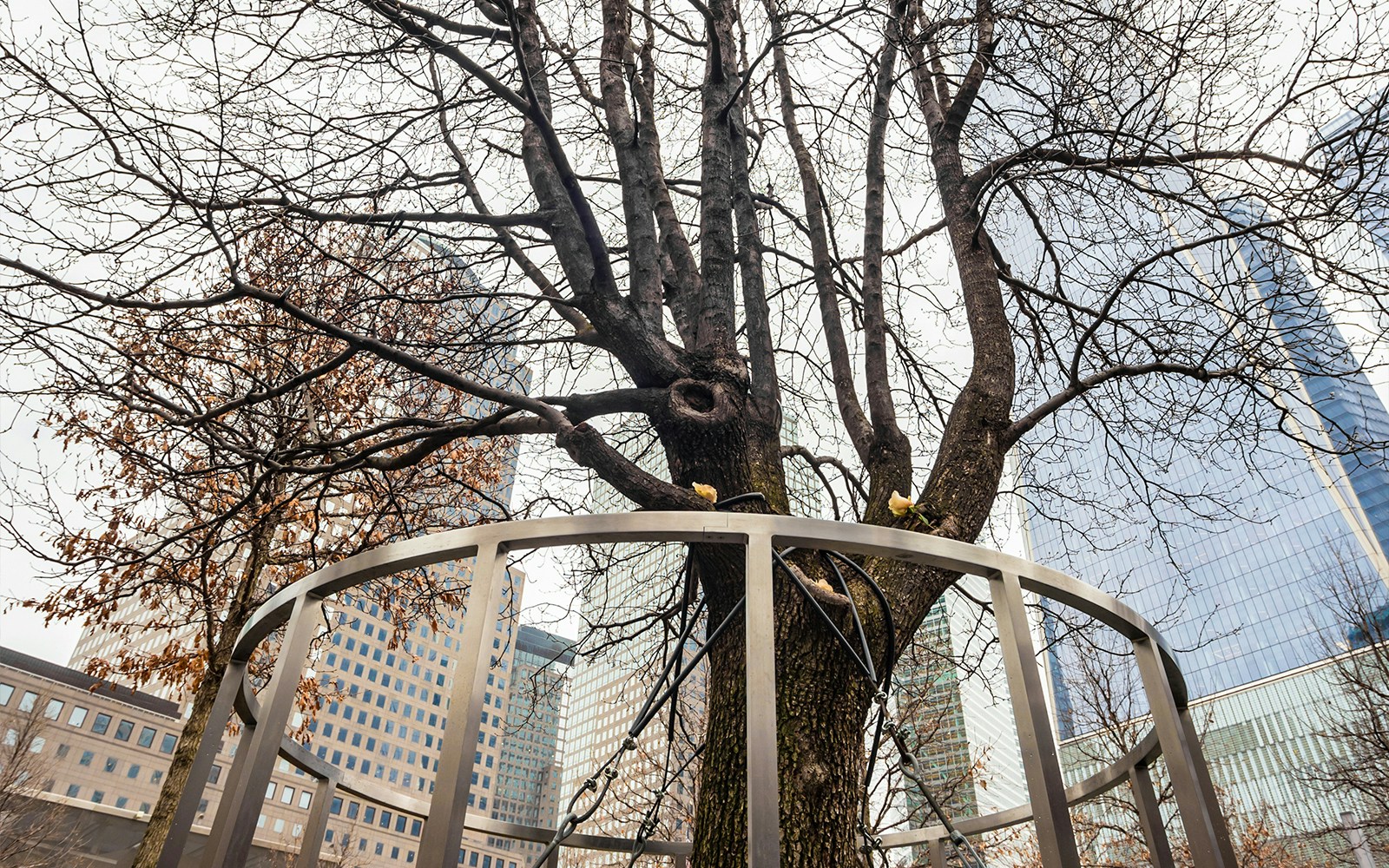
Up close, the experience shifts from skyline to texture. You hear the waterfalls before you fully register their scale, then notice how the dark stone, moving water, and warm bronze pull you inward. The Survivor Tree interrupts the plaza’s strict grid with something living and asymmetrical. The low glass pavilion on the plaza’s edge avoids competing with the pools, instead acting as a quiet threshold to the museum below. Early morning offers the clearest sightlines and softest light; at dusk, the illuminated water deepens the site’s reflective mood.
The interior of 9/11 Memorial and Museum
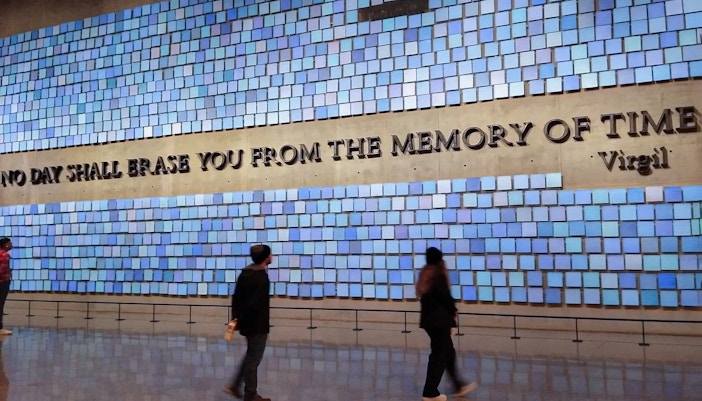
The interior unfolds as a descent through 3 distinct zones. First comes the pavilion, where daylight, glass, and the preserved tridents establish a visual link to the former towers. Then the descent takes over: ramps, stairs, and changing light levels prepare you for the shift from public plaza to archaeological site. Finally, Foundation Hall opens into a vast underground volume where the slurry wall, bedrock, and Last Column make the original World Trade Center’s structural reality impossible to ignore.
If you only have 30–60 minutes, stay above ground, circle both pools, pause at the Survivor Tree, and study the pavilion exterior against One World Trade Center. If you have 2–3 hours, add the full museum sequence and spend time with the preserved structural elements below grade.
Discover more in this guide to Inside the 9/11 Museum.
Frequently asked questions about 9/11 Memorial and Museum’s architecture
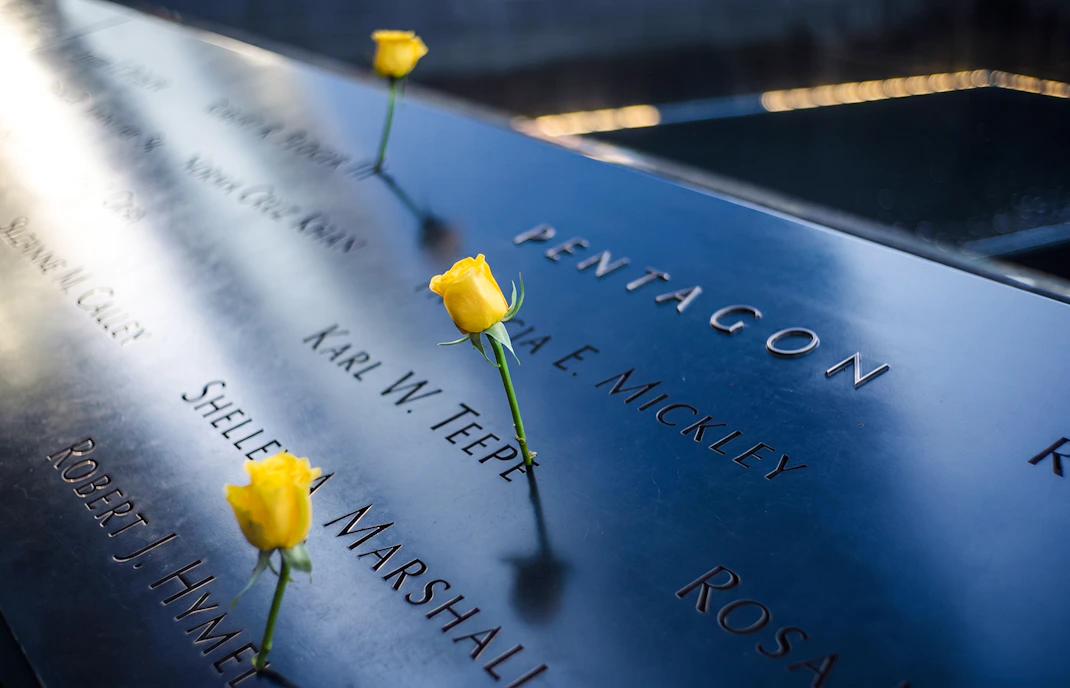
The defining features are the 2 reflecting pools set in the Twin Towers’ footprints, the bronze name parapets, the white oak plaza, the glass entry pavilion, and the underground museum built around preserved structural remnants like the slurry wall and Last Column.
The memorial is guided by absence, restraint, and reflection. Instead of rebuilding the towers as monuments, the designers marked what is gone through voids, flowing water, and a quiet landscape that slows your movement and attention.
They sit exactly within the original Twin Towers’ footprints, so the architecture works as a direct spatial trace of the destroyed buildings. That choice makes the site legible even if you never saw the towers in person.
Michael Arad and Peter Walker shaped the memorial plaza, while Davis Brody Bond designed the museum and Snøhetta created the pavilion. Their combined vision balances remembrance above ground with a deeper encounter with history and structure below it.
The memorial stays low, horizontal, and inward-looking, using water, trees, and emptiness. One World Trade Center does the opposite: it rises, reflects light, and restores the skyline. Together, they create a deliberate contrast between mourning and renewal.
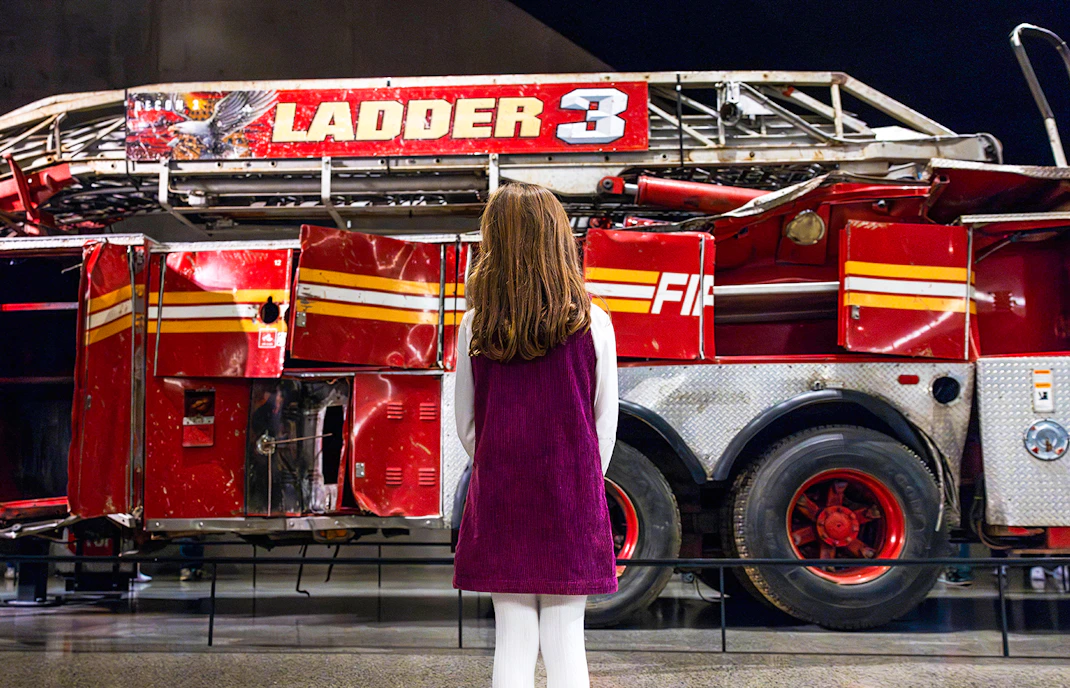
It incorporates real remnants rather than only displaying objects in cases. You see the slurry wall, Survivors’ Stairs, tridents, and Last Column within the architecture itself, which makes the museum feel less like a container and more like the site revealed.
Start outside by tracing both pools and the Survivor Tree before entering the pavilion. If you’re short on time, focus on the memorial and pavilion exterior; if you have longer, continue underground to Foundation Hall, where the site’s architectural meaning becomes clearest.